Walking into a fitness store or browsing online for dumbbells can feel overwhelming. You’ll find everything from simple fixed-weight sets to sophisticated adjustable systems with more moving parts than your car. For seniors looking to build or maintain strength, choosing the right dumbbell set matters more than you might think. The wrong choice could mean uncomfortable grips, awkward weight changes, or a pile of unused equipment gathering dust in your garage.
This guide breaks down everything you need to know about buying dumbbell sets in 2026, with specific attention to what works best for older adults. We’ll compare different types, help you figure out which weights you actually need, and point you toward options that won’t break the bank or your back.
Fixed Weight vs. Adjustable Dumbbells: Which Makes Sense?
Fixed dumbbells are exactly what they sound like. Each dumbbell weighs a set amount that never changes. You’ll need multiple pairs if you want different weights. They’re simple, durable, and there’s nothing to break or adjust.
Adjustable dumbbells let you change the weight on a single pair of handles. Modern versions use quick-change systems with dials or pins. Older styles use spin-lock collars that you tighten by hand.
For most seniors, adjustable dumbbells make more sense. You’ll save money compared to buying five or six pairs of fixed weights, and you won’t need a dedicated corner of your home for storage. A quality adjustable dumbbell set takes up about as much space as a small briefcase.

Bowflex SelectTech 552 Adjustable Dumbbells
Industry-leading dial system that adjusts from 5 to 52.5 pounds with a simple twist, perfect for progressive training.
The Bowflex SelectTech series has dominated the adjustable market for years. The dial mechanism feels solid, and you can change weights in about three seconds. The weight range starts low enough for rehabilitation exercises and goes high enough for challenging leg work.
What Weight Range Do You Actually Need?
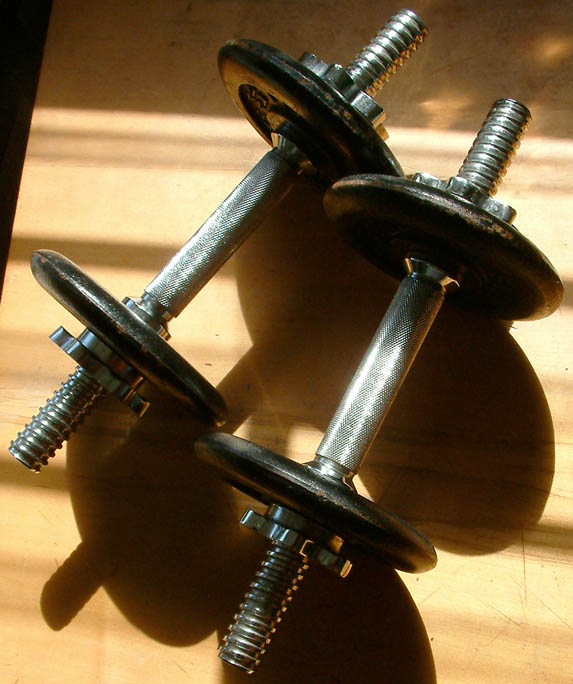
Most seniors should look for a set that starts at 5 pounds or less and goes up to at least 25-30 pounds per hand. You’ll use lighter weights for shoulder exercises and arm raises. Heavier weights come into play for squats, lunges, and chest presses.
Think about your current fitness level honestly. If you’re just starting strength training or returning after time off, you might work with 5-15 pound dumbbells for several months. That’s perfectly normal and actually smart. Building strength takes time, and good form matters more than heavy weight.
The increment size between weights matters too. Sets that jump by 5 pounds (5, 10, 15, 20) work fine when you’re newer to training. As you get stronger, you might prefer 2.5-pound increments, which allow for more gradual progression. This is particularly important for shoulder and arm exercises where small jumps make a big difference.
Grip Comfort: More Important Than You Think
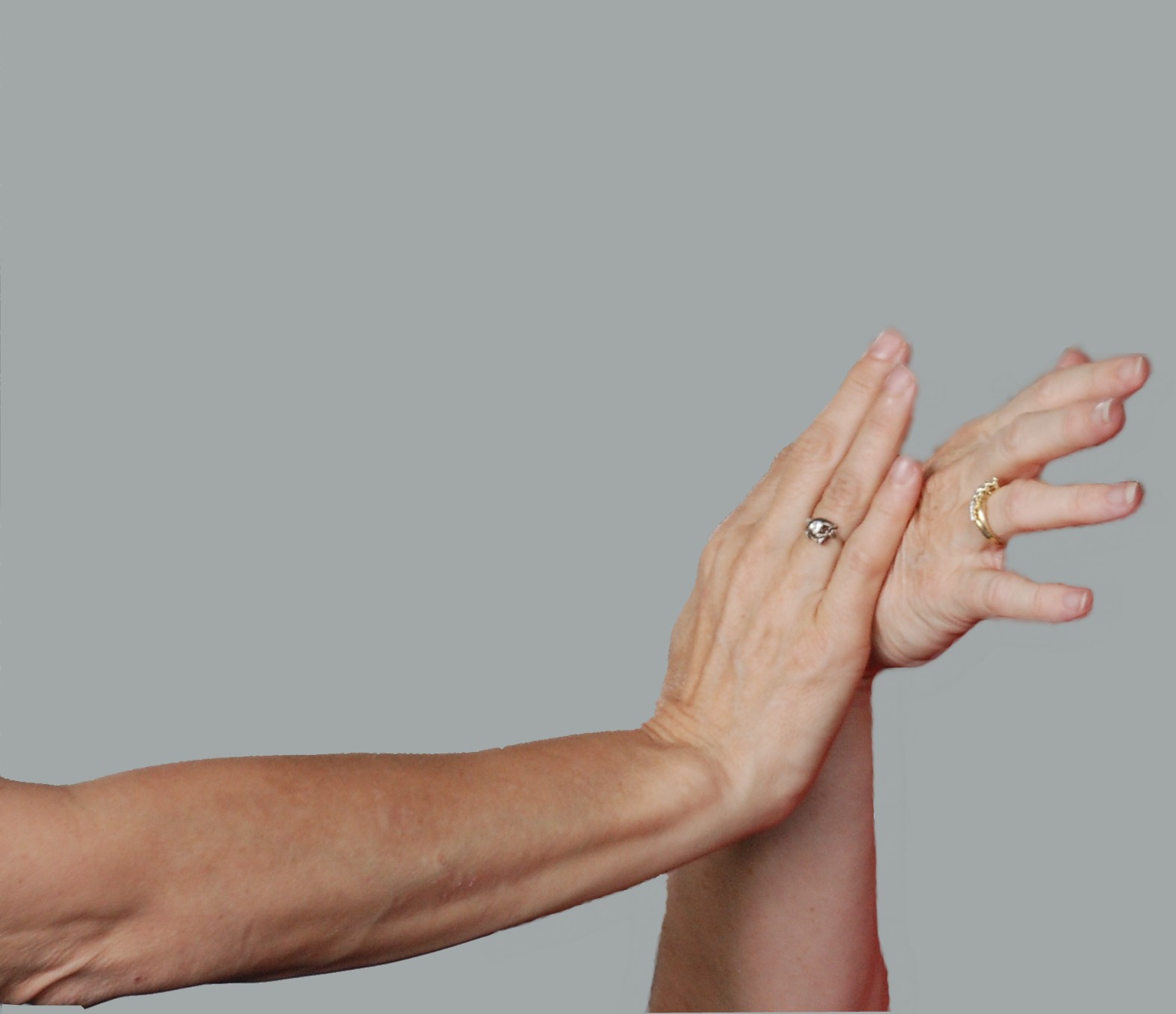
A lot of dumbbell reviews focus on the weight mechanisms and ignore the handles. But if you’re dealing with arthritis, reduced grip strength, or just want to avoid hand fatigue, grip design becomes critical.
Look for handles with a diameter between 1.25 and 1.5 inches. Thicker handles require more grip strength. Thinner handles can dig into your palms. Rubberized or textured grips prevent slipping without requiring a death grip.
Some ergonomic dumbbells feature contoured handles that reduce wrist strain. These can be helpful if you have any wrist issues or just want extra comfort during longer workout sessions.
Here’s a practical tip: if possible, hold the dumbbells before buying. Many sporting goods stores have display models. Your hands will tell you immediately if a grip feels right or awkward.
Storage Solutions That Actually Work
Adjustable dumbbells solve most storage problems automatically. But if you go with fixed weights or want to keep your adjustable set organized, you’ll need a plan.
A simple compact dumbbell rack keeps weights off the floor and prevents tripping hazards. Look for racks with a small footprint, especially if you’re working out in a bedroom or living room rather than a dedicated gym space.

Yes4All 3-Tier Dumbbell Rack
Sturdy steel construction with a compact design that fits in tight spaces without tipping.
Wall-mounted racks save floor space but require installation. Only go this route if you’re comfortable with basic tools or have someone who can help with mounting.
Budget Options That Don’t Skimp on Quality
You don’t need to spend a fortune to get functional dumbbells. The market has changed dramatically in the past few years, with solid mid-range options available from brands like CAP Barbell, AmazonBasics, and Yes4All.
For adjustable sets, expect to pay more upfront compared to a single pair of fixed dumbbells. But do the math. Two pairs of quality fixed dumbbells often cost as much as an adjustable set that replaces five or six pairs.
If you’re on a tight budget, consider starting with one or two pairs of fixed neoprene dumbbells in weights you’ll use most often. You can always add more later. Neoprene coating protects floors, feels comfortable in your hands, and typically costs less than rubber or metal options.

CAP Barbell Neoprene Dumbbell Set
Color-coded pairs with non-slip coating that work well for circuit training and group exercise routines.
Special Considerations for Senior Users
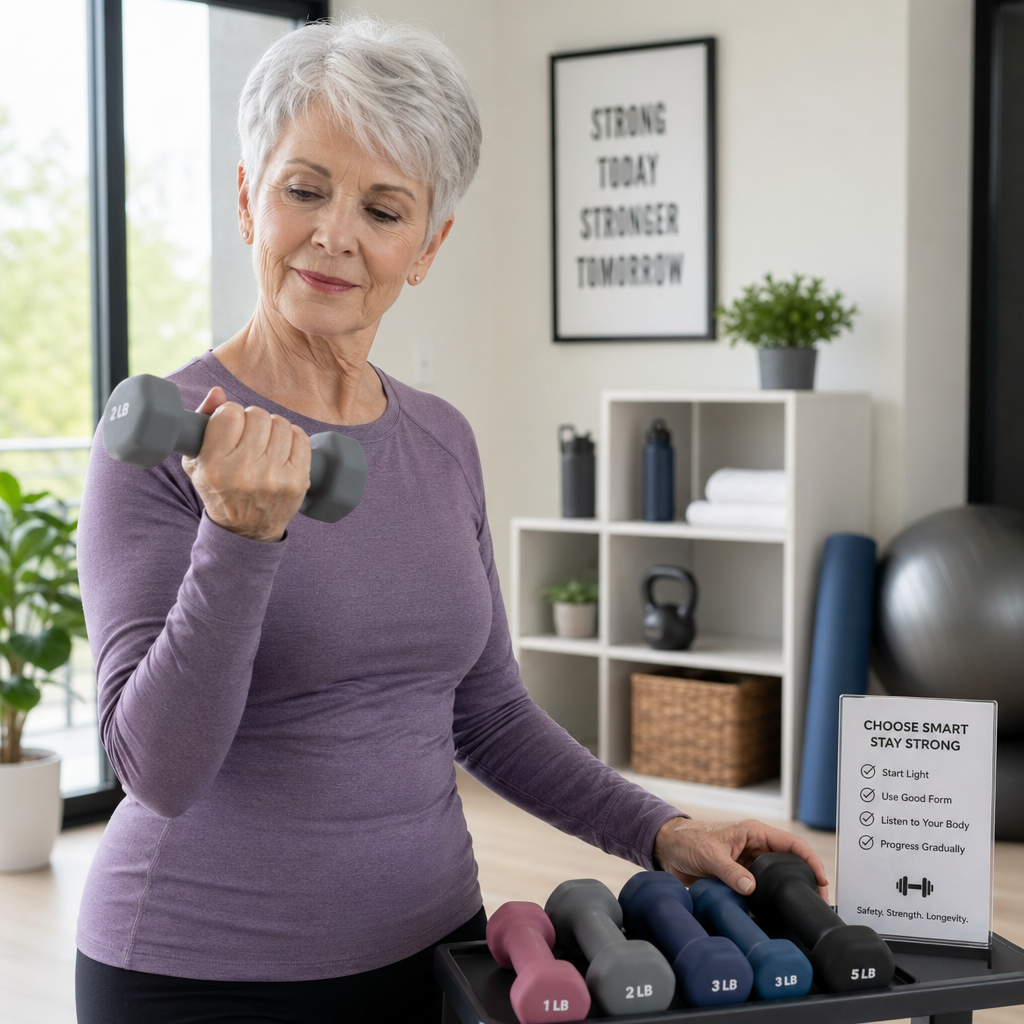
Balance becomes more important as we age. Dumbbells with hexagonal ends won’t roll away when you set them down. This matters more than you’d think, especially if you’re doing floor exercises where dumbbells need to sit stable beside your mat.
Weight distribution affects how dumbbells feel in use. Some cheaper adjustable models feel front-heavy or unbalanced. This throws off your form and makes exercises harder than they should be. Read reviews specifically mentioning balance before buying.
Consider getting a pair of very light dumbbells (1-3 pounds) for warm-ups and certain therapeutic exercises. Physical therapists often recommend these for shoulder rehabilitation and maintaining range of motion.
If you have limited mobility or use a wheelchair, look for dumbbells with slightly longer handles. This gives you more control and makes certain exercises more accessible.
Frequently Asked Questions
How long do adjustable dumbbells typically last?
Quality adjustable dumbbells should last 10-15 years with regular home use. The mechanism might need occasional cleaning or light maintenance, but major brands offer warranties ranging from one to five years. Fixed dumbbells can last indefinitely since there are no moving parts to wear out.
Can I use dumbbells if I have arthritis in my hands?
Yes, but grip style matters significantly. Look for dumbbells with cushioned, wider grips that reduce pressure on your joints. Some people with severe arthritis prefer wrist weights or resistance bands as alternatives. Start with very light weights and focus on proper form rather than heavy lifting.
What’s the difference between rubber, neoprene, and metal dumbbells?
Neoprene dumbbells have a soft coating that’s comfortable and quiet but limited to lighter weights. Rubber-coated dumbbells protect floors, reduce noise, and come in all weight ranges. Plain metal dumbbells cost less but can damage floors and make noise when set down. For home use, rubber or neoprene makes the most sense.
This article contains affiliate links. We may earn a small commission at no extra cost to you.