After 70, your body doesn’t process protein the same way it did in your 40s or 50s. Research shows that seniors need more protein per meal to trigger the same muscle-building response, yet many older adults eat less protein than they should. This creates a perfect storm for muscle loss, weakness, and reduced independence.
Protein powder offers a practical solution, but not all powders work well for aging digestive systems. Some cause bloating, others taste chalky, and many contain ingredients that older adults simply don’t need. This guide cuts through the confusion and shows you exactly which protein powders work best after 70, how to use them effectively, and what to do if you can’t stand traditional shakes.
Why Protein Needs Increase After 70
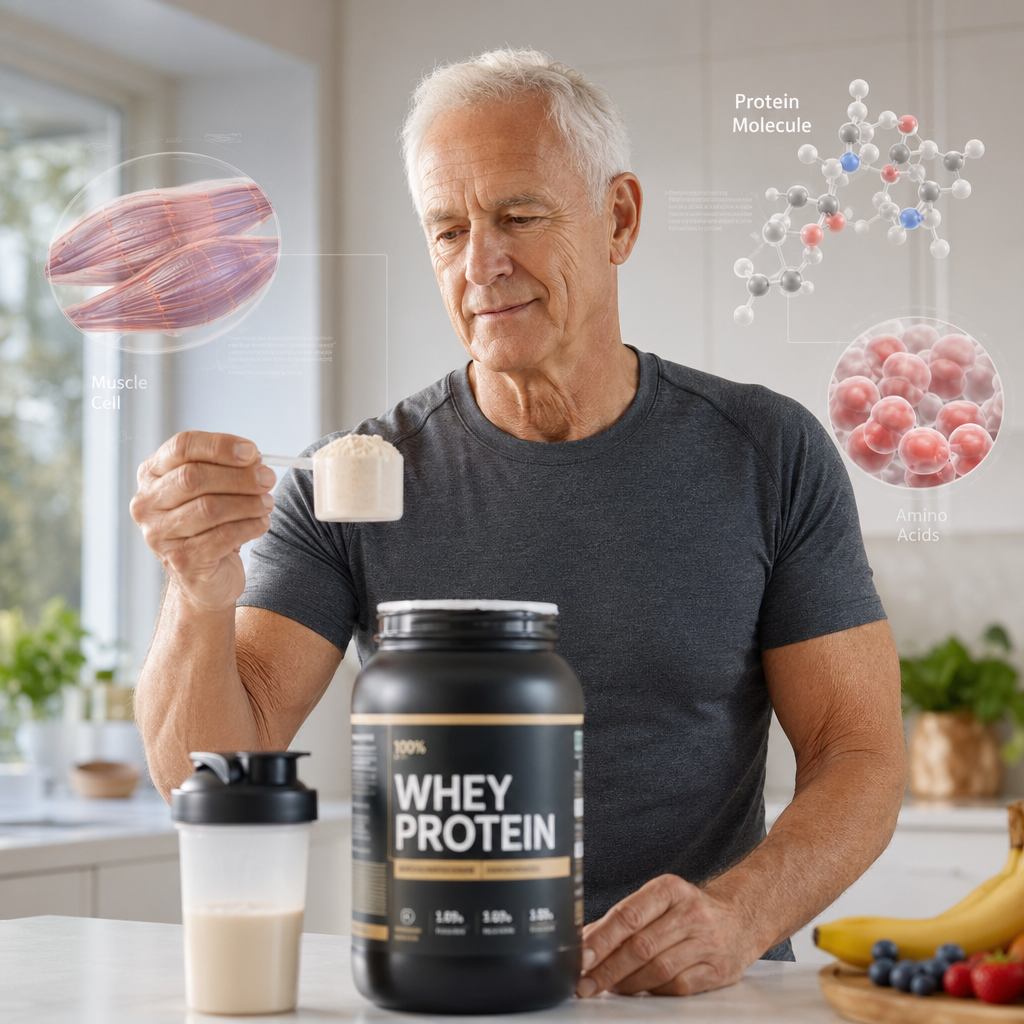
Your protein requirements actually go up as you age, not down. While younger adults can maintain muscle on 0.8 grams of protein per kilogram of body weight, research suggests seniors need 1.0 to 1.2 grams per kilogram daily. For a 150-pound person, that’s roughly 68 to 82 grams per day.
The reason comes down to something called anabolic resistance. Your muscles become less responsive to protein, meaning you need more of it to achieve the same muscle-building effect. Think of it like a hearing problem, but for your muscles. They need a louder signal to respond.
This matters more than most people realize. Muscle loss after 70 directly affects your ability to climb stairs, carry groceries, recover from illness, and maintain independence. Every meal with adequate protein helps preserve those capabilities.
Digestive Considerations for Older Adults

Your digestive system changes with age, producing less stomach acid and digestive enzymes. This makes some protein powders harder to process than others. Bloating, gas, and discomfort after protein shakes often aren’t about the protein itself, but about additives and protein types that don’t agree with aging digestive systems.
Lactose intolerance becomes more common with age, which rules out many whey concentrate formulas for some people. Whey isolate removes most lactose, but it still bothers some seniors. Artificial sweeteners like sucralose can cause digestive upset in older adults who weren’t previously sensitive to them.
Look for protein powders with digestive enzymes added, particularly protease and lactase. These help break down protein and any residual lactose. Smaller serving sizes also work better. Instead of cramming 30 grams of protein into one shake, split it into two 15-gram servings throughout the day.
Comparing Whey, Plant-Based, and Collagen Proteins
Whey protein isolate remains the gold standard for muscle maintenance in seniors. It’s quickly absorbed, contains all essential amino acids in optimal ratios, and has the highest leucine content per serving. Leucine is the amino acid that triggers muscle protein synthesis, and older adults need about 2.5 to 3 grams per meal to maximize that response.
Unflavored whey isolate works well for seniors who dislike sweet shakes. You can add it to soups, oatmeal, or mashed potatoes without changing the flavor much. The isolate form is easier on sensitive stomachs than concentrate.

Optimum Nutrition Gold Standard Whey Isolate
Highly digestible with minimal lactose, ideal for seniors with sensitive stomachs
Plant-based proteins have improved dramatically in recent years. Pea protein isolate offers a complete amino acid profile and works well for those avoiding dairy. The texture is grittier than whey, but blending it properly solves that issue. Brown rice protein combines well with pea protein to create a better amino acid balance.
Collagen protein deserves special mention for seniors. While it won’t build muscle as effectively as whey or pea protein, it supports joint health, skin elasticity, and gut lining integrity. Many older adults benefit from using both a muscle-building protein like whey and a collagen supplement. Collagen peptides dissolve easily in coffee or tea without clumping.
Best Protein Powders for Seniors Over 70
For pure muscle maintenance, Isopure Zero Carb stands out. It’s 100% whey protein isolate with no fillers, lactose-free, and mixes well even in cold water. The unflavored version lets you control what you’re tasting, which matters when you’re adding protein to regular foods.
Orgain Organic Plant-Based Protein wins for those avoiding dairy. It combines pea, brown rice, and chia proteins with added probiotics for digestive support. The texture is smoother than most plant proteins, and it doesn’t have the chalky aftertaste that bothers many people.

Vital Proteins Collagen Peptides
Dissolves completely in hot or cold liquids with no flavor or texture change
For those with very sensitive digestion, Naked Whey contains just one ingredient: grass-fed whey protein concentrate. No sweeteners, no flavors, no additives. You can flavor it yourself with vanilla extract, cocoa powder, or fruit.
Garden of Life Raw Organic Protein includes digestive enzymes and probiotics specifically formulated for older digestive systems. It’s gentler than most plant proteins, though the taste takes some getting used to.
Timing Protein Around Exercise and Daily Activities
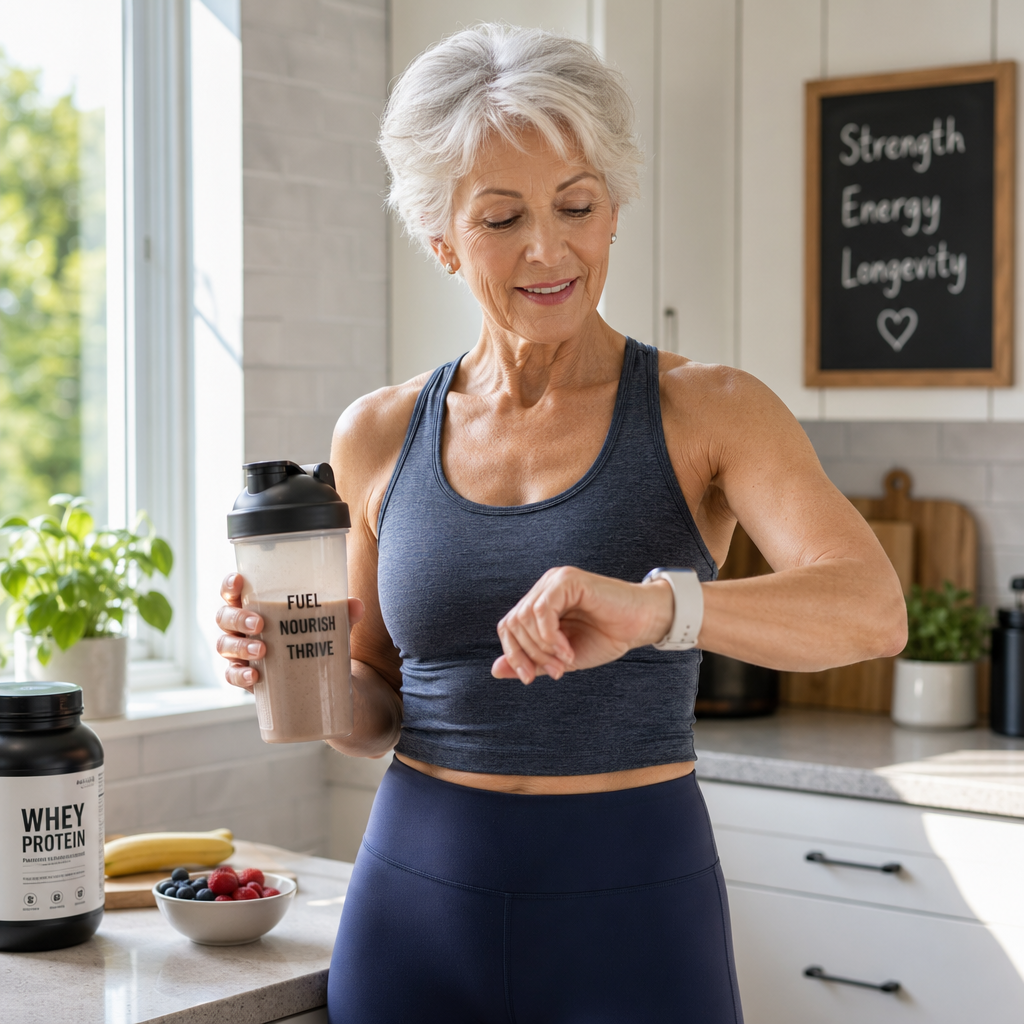
When you consume protein matters as much as how much you consume. Recent research shows that distributing protein evenly throughout the day works better for seniors than loading it all at dinner. Aim for 25 to 30 grams at each main meal.
After resistance exercise, consume protein within two hours. Your muscles stay receptive to protein for longer than younger people, so you don’t need to rush a shake down immediately post-workout. A protein-rich meal an hour after exercise works just fine.
Morning protein intake particularly benefits seniors. Many older adults eat minimal protein at breakfast, typically just toast or cereal. Adding protein powder to morning coffee, oatmeal, or yogurt helps you hit that 25 to 30-gram target when your body is primed to use it.
Before bed, a small serving of protein helps prevent overnight muscle breakdown. Casein protein digests slowly, but a small whey or plant-based shake works too. Keep it to 15 to 20 grams so it doesn’t disrupt sleep.
Recipes for Those Who Dislike Protein Shakes
You don’t have to drink chalky shakes to benefit from protein powder. Unflavored protein powder disappears into countless foods without changing taste or texture much.
Stir unflavored whey or plant protein into hot oatmeal after cooking. Start with one scoop and add your usual toppings. The protein thickens the oatmeal slightly, making it creamier. Mix in some almond butter for extra calories and healthy fats.
Blend protein powder into mashed potatoes or cauliflower mash. The starchy texture masks the protein completely. Add it after mashing but before serving, mixing thoroughly to avoid clumps.
Create high-protein pancakes by replacing one-third of the flour in your regular recipe with protein powder. Use vanilla or unflavored whey for best results. The pancakes turn out lighter and fluffier than expected.
Mix protein powder into Greek yogurt for a protein-packed parfait. Layer with berries and a sprinkle of granola. This gets you 35 to 40 grams of protein in one satisfying breakfast.
Homemade protein balls combine protein powder, nut butter, honey, and oats. Roll them into bite-sized pieces and refrigerate. They’re easier to eat than shakes and provide sustained energy between meals.

KOS Organic Plant Protein Powder
Mild flavor that works well in both sweet and savory recipes without overpowering other ingredients
What to Look for on the Label
Protein content per scoop should be at least 20 grams. Anything less means you’re paying for fillers. Check the amino acid profile, particularly leucine content. You want at least 2.5 grams of leucine per serving.
Avoid powders with long lists of artificial ingredients, especially if you have digestive sensitivities. Sucralose, acesulfame potassium, and sugar alcohols cause problems for many older adults. Natural sweeteners like stevia or monk fruit work better for most people.
Third-party testing matters more than most marketing claims. Look for NSF Certified for Sport or Informed-Choice logos. These verify that the product contains what the label claims without banned substances or contaminants.
Sodium content varies wildly between brands. Some flavored protein powders pack 200 to 300 milligrams per scoop, which adds up if you’re watching sodium intake. Unflavored versions typically contain minimal sodium.
Common Mistakes to Avoid
Don’t rely solely on protein powder to meet your daily needs. Whole foods provide nutrients that powder can’t replicate. Use protein powder to supplement, not replace, meals with chicken, fish, eggs, beans, and dairy.
Avoid buying the largest container first. Start with a smaller size to test tolerability and taste preference. A five-pound tub of protein powder you hate is an expensive mistake.
Don’t mix protein powder with very hot liquids if you’re using whey. High heat can denature the protein and create clumps. Let coffee or tea cool slightly before adding protein powder, or stir it into warm foods rather than boiling ones.
Skip protein powders marketed specifically as “weight loss” formulas. These often contain stimulants or fiber additives that cause digestive distress. Regular protein powder with mindful portion control works better.
Frequently Asked Questions
How much protein powder should a 70-year-old take daily?
Most seniors over 70 benefit from one to two scoops daily, providing 20 to 40 grams of protein to supplement whole food sources. Your total daily protein intake should reach 1.0 to 1.2 grams per kilogram of body weight. If you weigh 70 kilograms (154 pounds), aim for 70 to 84 grams total from all sources. Use protein powder to fill gaps when whole food protein falls short.
Is whey or plant protein better for seniors?
Whey protein isolate typically works better for muscle maintenance in seniors because of its superior amino acid profile and higher leucine content. However, plant-based proteins work well for those with dairy sensitivities or dietary preferences. Pea protein isolate comes closest to whey’s muscle-building benefits among plant options. Choose based on your digestive tolerance and dietary restrictions rather than following trends.
Can protein powder cause kidney problems in older adults?
Protein powder doesn’t cause kidney problems in people with healthy kidney function. If you have existing kidney disease, consult your doctor before increasing protein intake. For healthy seniors, moderate protein powder use is safe. The bigger concern is staying hydrated, as protein metabolism requires adequate water intake. Drink at least eight glasses of water daily when using protein supplements.
What time of day is best to take protein powder?
Spread protein intake throughout the day rather than concentrating it in one meal. Morning intake helps many seniors because breakfast often lacks adequate protein. After strength training, consume protein within two hours. Before bed, a small serving of 15 to 20 grams can help prevent overnight muscle breakdown. Consistency matters more than perfect timing, so find a schedule you’ll maintain long-term.
This article contains affiliate links. We may earn a small commission at no extra cost to you.