Joint discomfort after exercise doesn’t have to be part of getting older. Many seniors find that omega-3 fatty acids make a real difference in how their joints feel during and after physical activity. These essential fats work by reducing inflammation throughout your body, which is often the culprit behind that post-workout stiffness.
The science backs this up too. Studies show that omega-3s can help reduce inflammation markers in your blood and may even slow the breakdown of cartilage in your joints. But choosing the right supplement can feel overwhelming when you’re staring at dozens of bottles at the pharmacy or scrolling through endless options online.
Why Omega-3s Matter for Active Seniors

Your joints take a beating during exercise, especially if you’re doing impact activities like walking, tennis, or dancing. When you move, your body produces inflammatory compounds as part of its normal response to physical stress. Omega-3 fatty acids help balance this response by producing anti-inflammatory molecules instead.
The two omega-3s that matter most are EPA (eicosapentaenoic acid) and DHA (docosahexaenoic acid). EPA is particularly effective at reducing inflammation, while DHA supports overall joint structure and function. You need both, but the ratio matters depending on your goals.
For seniors focused on reducing exercise-related inflammation and joint discomfort, a higher EPA ratio makes sense. Look for supplements with at least a 2:1 EPA to DHA ratio, or even 3:1 if joint support is your primary concern.
Fish Oil vs. Algae-Based Omega-3s
Traditional fish oil supplements remain the most popular choice, and for good reason. They’re typically more affordable and contain concentrated amounts of both EPA and DHA. Most fish oil supplements derive from small fish like sardines, anchovies, and mackerel, which have lower mercury levels than larger fish.
Fish oil supplements come in two main forms: triglyceride and ethyl ester. The triglyceride form (often labeled as “re-esterified triglycerides” or just “triglyceride form”) is better absorbed by your body. Check the label carefully because many cheaper options use the ethyl ester form.

Nordic Naturals Ultimate Omega
High-quality triglyceride form with excellent purity certifications and a solid EPA/DHA ratio for joint support.
Algae-based omega-3s offer a plant-derived alternative that’s perfect if you follow a vegetarian or vegan diet. These supplements extract omega-3s from marine algae, the original source where fish get their omega-3s in the first place. The main advantage is sustainability and the complete absence of fishy aftertaste.
The downside is that most algae supplements contain more DHA than EPA, which isn’t ideal if reducing inflammation is your main goal. They’re also typically more expensive per dose. However, some newer algae-based options now offer better EPA ratios specifically for joint health.
Dosing Guidelines and What to Look For
Most research on joint health uses doses between 1,000 to 3,000 mg of combined EPA and DHA daily. Start with around 1,500 mg total and see how you feel after a month. You can adjust up to 3,000 mg if needed, but more isn’t always better.
Pay attention to the actual EPA and DHA content, not just the total fish oil amount. A capsule might say “1,000 mg Fish Oil” on the front but only contain 300 mg of actual EPA and DHA combined. Read the supplement facts panel on the back to see the real numbers.
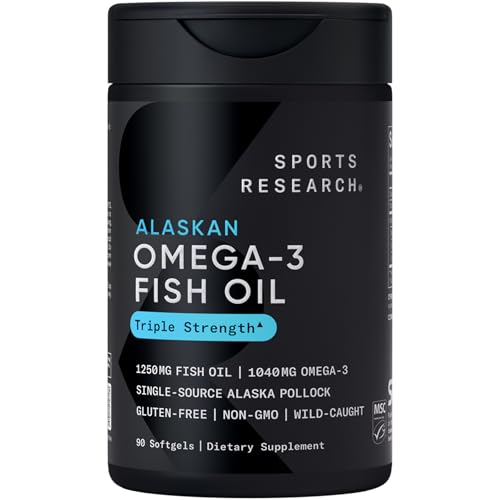
Sports Research Triple Strength Omega-3
Delivers high concentrations of EPA and DHA per softgel, reducing the number of pills you need to take daily.
Timing matters too. Take your omega-3s with a meal that contains some fat to improve absorption. Many people split their dose between breakfast and dinner to minimize any digestive upset and maintain steady blood levels throughout the day.
Purity Certifications You Can Trust
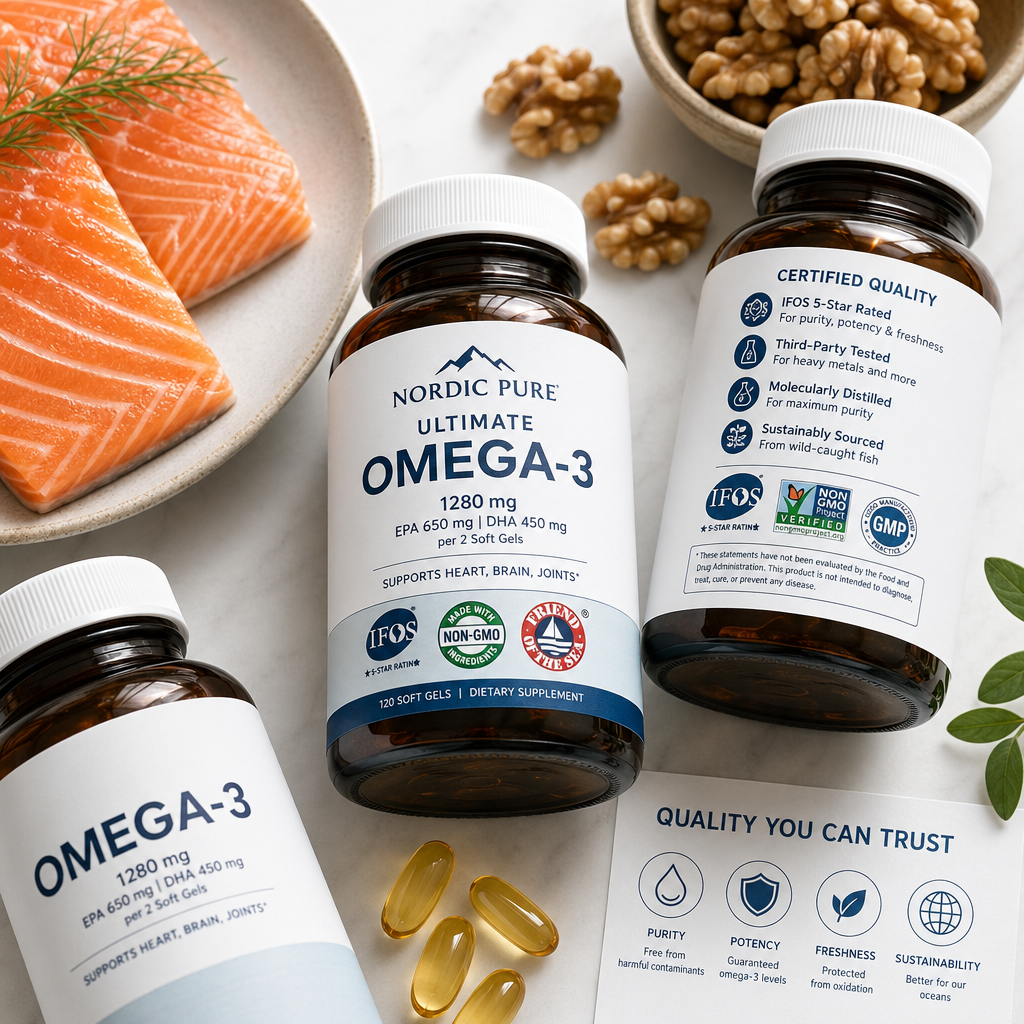
Not all omega-3 supplements are created equal when it comes to purity. Fish can accumulate heavy metals, PCBs, and other contaminants, so third-party testing is critical. Look for these certifications on the label:
- IFOS (International Fish Oil Standards): The gold standard for fish oil purity and potency testing
- USP Verified: Confirms the product contains what’s on the label without harmful contaminants
- NSF Certified: Independent testing for purity, potency, and label accuracy
- MSC Certified: Ensures sustainable fishing practices (bonus for environmental impact)
These certifications cost money for manufacturers to obtain, which is why budget options often skip them. But when you’re taking something daily for months or years, the extra investment in a certified product makes sense.
You can also check specific batch testing results on some manufacturers’ websites. Companies like Nordic Naturals and Sports Research publish their test results online, showing exact contaminant levels for each batch.
Medication Interactions to Watch For
Omega-3 supplements can interact with certain medications, so talk to your doctor before starting them, especially if you’re on blood thinners. Fish oil has a mild blood-thinning effect, which is usually beneficial but can be problematic if you’re taking warfarin, clopidogrel, or similar medications.
Blood pressure medications may also interact with omega-3s since these fatty acids can lower blood pressure slightly. This isn’t necessarily bad, but your doctor might need to adjust your medication dosage.
Some seniors take aspirin daily for heart health. Combining aspirin with high-dose omega-3s might increase bruising or bleeding risk. Again, this is manageable with medical supervision, but don’t just assume supplements are automatically safe because they’re “natural.” For more information on reducing medication through exercise, proper supplementation can be part of a comprehensive health approach.
Getting Omega-3s from Food Sources

Supplements are convenient, but whole food sources of omega-3s offer additional nutrients you won’t get from a capsule. Fatty fish like salmon, mackerel, sardines, and herring are excellent choices. Aim for two to three servings per week.
Wild-caught salmon provides about 1,500 mg of EPA and DHA per 3-ounce serving. Canned sardines are budget-friendly and deliver roughly 1,000 mg per serving. Plus, you’ll get protein, vitamin D, and selenium along with your omega-3s.
Plant sources like flaxseeds, chia seeds, and walnuts contain ALA (alpha-linolenic acid), a different type of omega-3. Your body can convert some ALA to EPA and DHA, but the conversion rate is quite low, around 5-10%. These foods are healthy additions to your diet but shouldn’t be your only omega-3 source if joint health is your goal.
Consider mixing both approaches. Eat fatty fish a couple times per week and fill in the gaps with a quality supplement on other days. This gives you the benefits of whole foods while ensuring consistent omega-3 intake.
Frequently Asked Questions
How long before I notice results for joint health?
Most people notice some improvement in joint comfort within 4 to 6 weeks of consistent omega-3 supplementation. However, the full anti-inflammatory effects can take up to 3 months to develop. Be patient and consistent with your dosing. If you haven’t noticed any difference after 3 months at an adequate dose (1,500-3,000 mg EPA/DHA daily), omega-3s might not be the right solution for your specific joint issues.
Can I take omega-3s with glucosamine or other joint supplements?
Yes, omega-3s work well alongside other joint supplements like glucosamine and chondroitin. They address different aspects of joint health, with omega-3s reducing inflammation while glucosamine supports cartilage structure. Many seniors find that combining approaches provides better results than any single supplement alone. Collagen supplements for joint and skin health are another option that works synergistically with omega-3s. Just space them out during the day to avoid taking too many pills at once.
Should I refrigerate my omega-3 supplements?
Refrigeration can extend the shelf life of omega-3 supplements, but it’s not always necessary if you store them properly. Keep them in a cool, dark place away from heat and light. Check the expiration date and smell the capsules occasionally. If they smell strongly fishy or rancid, they’ve oxidized and should be discarded. Some high-quality brands add vitamin E as a natural preservative to prevent oxidation. Refrigeration is a good idea if you buy in bulk or live in a hot climate.
This article contains affiliate links. We may earn a small commission at no extra cost to you.