You started adding protein shakes to support your exercise program, and your stomach has been revolting ever since. Bloating, gas, cramping, and that uncomfortable fullness are common side effects of protein supplementation, especially for adults over 60.
The causes are specific and the fixes are practical. You don’t need to give up protein shakes. You need to change how you use them.
Why Protein Shakes Cause Bloating in Seniors

Your digestive system changes significantly with age. Stomach acid production decreases, making protein harder to break down. Enzyme output drops, slowing digestion of whey and casein.
Lactose intolerance becomes more common, affecting roughly 65% of adults over 60 to some degree. The combination creates a perfect storm for digestive distress.
Dumping 25-30 grams of protein into a system that’s already working harder to digest food creates the gas, bloating, and discomfort you’re experiencing. Your stomach produces less pepsin (the enzyme that breaks protein into amino acids). Your pancreas secretes fewer proteolytic enzymes.
The lactase enzyme that breaks down milk sugar declines steadily after childhood, and by your sixties, what little you had left may be almost gone.
When incompletely digested protein reaches your lower intestine, gut bacteria ferment it. That fermentation produces hydrogen sulfide, methane, and other gases. The result is bloating, pressure, and sometimes sharp cramping.
Add lactose fermenting alongside the protein, and the gas production compounds.
The slower your digestion becomes, the longer protein sits in your gut, and the more time bacteria have to work on it. This explains why the same shake that gave you no problems at 40 now leaves you uncomfortable for hours.
6 Fixes That Work
1. Switch to a Protein Isolate
Standard whey protein concentrate contains 20-80% protein along with lactose, fat, and other milk components. Whey protein isolate has been further processed to remove nearly all lactose and fat, making it 90%+ pure protein.
For seniors with any degree of lactose intolerance, the switch from concentrate to isolate often eliminates bloating entirely.

Whey Protein Isolate
90%+ pure protein with minimal lactose, ideal for seniors with dairy sensitivity
The filtration process used to create isolate removes most of the lactose and a substantial portion of the fats and carbohydrates. What’s left is nearly pure protein, which your body can process more efficiently. Less lactose means less fermentation. Less fat means faster stomach emptying.
Check the label: “whey protein concentrate” or “whey protein blend” contains more lactose than “whey protein isolate.” If the first ingredient isn’t specifically isolate, it’s not what you want. Look for products listing less than 1 gram of carbohydrates per serving. That’s your signal that lactose has been minimized.
Hydrolyzed whey protein takes this a step further. The protein has been pre-digested (broken into smaller peptide chains) during processing, which means your stomach has less work to do. Hydrolyzed whey is absorbed faster and produces less bloating than standard isolate in many people.
The downside is cost and a slightly bitter taste, but if bloating is severe, it may be worth trying.
2. Try Plant-Based Protein
If dairy is the root issue, switching to a plant-based protein powder (pea protein, rice protein, or a pea-rice blend) eliminates dairy entirely. Plant proteins are generally easier on the stomach for people with dairy sensitivity.
The trade-off: some plant proteins have a grainier texture and earthier taste than whey. Blending with fruit and nut butter masks most taste differences.
Pea protein isolate has a complete amino acid profile and mixes reasonably well. Rice protein is hypoallergenic and very gentle on digestion but lower in lysine. Blends of pea and rice combine the strengths of both, providing all essential amino acids in good ratios while minimizing the aftertaste either one has alone.
Avoid soy protein isolate if you have thyroid concerns, and be aware that some plant proteins can cause gas in people with legume sensitivities. Pea protein, being a legume derivative, may cause bloating in people who struggle with beans and lentils.
If pea protein gives you trouble, try rice protein, hemp protein, or a seed-based option like pumpkin seed protein.
Hemp protein provides fiber alongside protein, which helps some people but can worsen bloating in others. Start with a small serving to see how your system responds.
3. Use a Digestive Enzyme
A digestive enzyme supplement containing protease (breaks down protein), lactase (breaks down lactose), and lipase (breaks down fat) taken with your shake can significantly reduce bloating.
Your body produces fewer of these enzymes after 60, and supplementing makes up the difference. Take the enzyme immediately before or with the shake for best results.
Protease breaks protein chains into smaller peptides and amino acids, speeding digestion and reducing the undigested protein that reaches your colon. Lactase handles whatever lactose remains in your shake. Lipase breaks down fats, which can slow stomach emptying if they’re not properly digested.
Look for a broad-spectrum enzyme blend that includes amylase (for carbohydrates) and alpha-galactosidase (for complex sugars found in some plant proteins). Some formulas include ginger or peppermint extract to further soothe the stomach.
Start with one capsule per shake and increase to two if needed. Take the capsule right as you start drinking, not afterward. Enzymes need to mix with the protein as it enters your stomach to work effectively.
If you’re on blood thinners or have a bleeding disorder, check with your doctor before using protease enzymes, as high doses can theoretically affect clotting.
4. Reduce Your Per-Shake Dose
Most protein shakes provide 25-30 grams per serving. If your digestive system can’t handle that volume in one sitting, split it. Use half a scoop (12-15 grams) per shake and have two shakes spread throughout the day instead of one large one.
This gives your stomach more time to process each dose.
Your body can only digest and absorb so much protein at once. Research suggests that 20-25 grams per meal maximizes muscle protein synthesis in older adults, and exceeding that amount doesn’t provide additional benefit. Going above your digestive capacity just means more undigested protein fermenting in your gut.
If you need 30 grams of supplemental protein daily, have a 15-gram shake mid-morning and another mid-afternoon. Space them at least three hours apart. This approach reduces the workload on your stomach, lowers the fermentation potential, and often eliminates bloating completely.
Smaller, more frequent protein doses also maintain steadier amino acid levels in your bloodstream, which may support muscle maintenance better than one large bolus.
5. Blend with Water Instead of Milk
Many people mix protein powder with milk for extra protein and creaminess, but this doubles the lactose load and the total volume your stomach must process. Switching to water (or a non-dairy milk like almond or oat milk) often resolves bloating immediately.
If you need the extra calories and protein from milk, try lactose-free milk as a middle ground.
Dairy milk adds 12 grams of lactose per cup. If your shake already contains some lactose from whey concentrate, you’re stacking lactose on top of lactose. Even people with mild lactose intolerance can struggle with that much.
Unsweetened almond milk, coconut milk, or cashew milk provide creaminess without lactose. Oat milk has a neutral flavor and blends well, but it’s higher in carbohydrates, which may cause bloating in some people if they’re sensitive to fermentable fibers.
Lactose-free milk is regular milk with the lactose already broken down by added lactase enzyme. It tastes like milk, provides the same protein and calcium, and causes no lactose-related bloating.
If you want thickness without dairy, add half a frozen banana, a tablespoon of nut butter, or a few ice cubes. These give body to the shake without adding lactose or excess liquid volume.
6. Slow Down Your Drinking Speed
Chugging a shake in 30 seconds dumps a concentrated protein load into your stomach all at once. Sipping it over 10-15 minutes allows your stomach acid and enzymes to begin breaking down the protein gradually, reducing the fermentation that causes gas and bloating.
Treat it like a meal, not a shot.
When you drink too fast, you also swallow air, which adds to bloating. Large gulps introduce more air than small sips.
Use a spoon instead of drinking directly from the shaker bottle. This forces you to slow down. Blend your shake thicker so it’s closer to a smoothie bowl than a beverage. The thicker consistency naturally slows consumption.
Take breaks between sips. Put the cup down. Let your stomach start working on the protein before you add more. Your digestive system works better with a steady input than with a sudden flood.
If you’re drinking a shake immediately after exercise, you may be tempted to down it fast. Resist. Post-workout protein timing isn’t as critical as once believed. Whether you finish your shake in two minutes or twenty makes no difference to muscle recovery, but it makes a significant difference to bloating. For more guidance on optimizing recovery after 60, proper nutrition timing and protein intake play important roles beyond just preventing digestive discomfort.
Protein Powders Least Likely to Cause Bloating
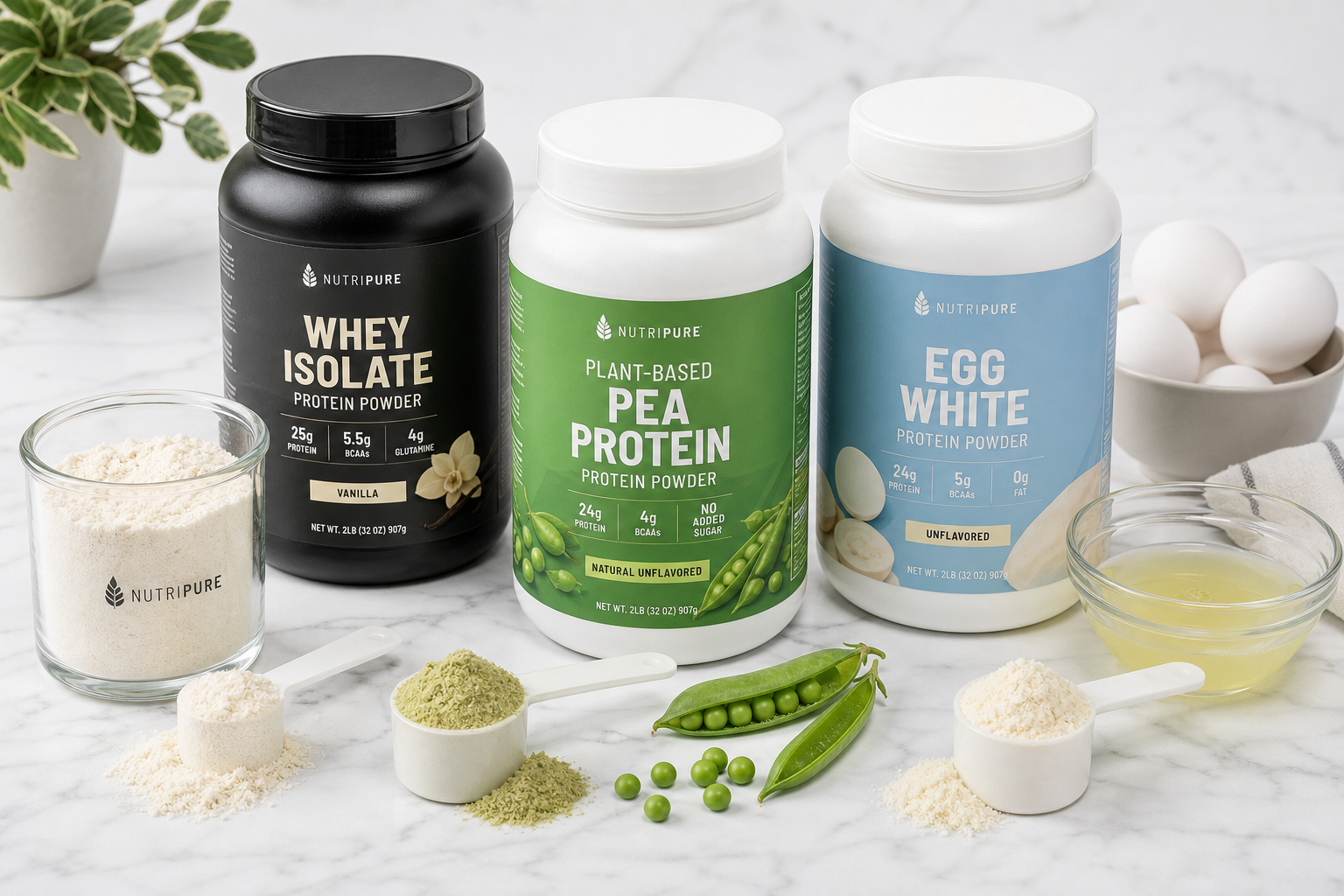
Whey protein isolate: Lowest lactose of the dairy proteins. Look for cold-processed isolate with minimal ingredients. Avoid blends that mix isolate with concentrate.
Collagen peptides: Very easy to digest, dissolves in hot or cold liquids, virtually no bloating for most people. Lower in leucine than whey, but excellent for joint and skin health.
Collagen is hydrolyzed during processing, meaning it’s already partially broken down. It passes through your stomach quickly and rarely ferments in the colon. The downside: collagen isn’t a complete protein (it lacks tryptophan), so it shouldn’t be your only protein source.
Pea protein isolate: Well-tolerated by most people, dairy-free, good amino acid profile. Choose an isolate rather than a concentrate to minimize fiber and complex carbohydrates that can cause gas. Some brands add digestive enzymes directly to the powder, which can help.
Egg white protein: Dairy-free, complete amino acid profile, generally well-digested. Egg white protein is absorbed efficiently and produces minimal bloating. It has a mild flavor and mixes smoothly. If you have an egg allergy, obviously skip this one.
Beef protein isolate: Made from hydrolyzed beef, it’s lactose-free and easy to digest. It has a complete amino acid profile and high bioavailability. The flavor can be strong, so it works best in chocolate or berry blends. For those looking to support joint health alongside protein intake, considering omega-3 supplements for joint support can provide additional benefits to your overall wellness routine.
When to Drink Your Shake for Minimal Bloating

Timing matters. Drinking a protein shake on an empty stomach in the morning can cause more bloating than having it alongside or after a meal. Your stomach produces more acid when food is present, which helps break down protein more efficiently.
If you take your shake first thing in the morning, eat a piece of fruit or a slice of toast with it. The carbohydrates stimulate digestive enzyme release and buffer the protein, reducing irritation.
Avoid drinking a shake right before bed. Lying down with a full stomach slows digestion and increases the chance of acid reflux and overnight bloating. If you need evening protein