Exercising alone is one of the most freeing things about being an active senior. No waiting on a partner, no coordinating schedules, just you and your workout. But it also means that if something goes wrong, whether you’re on a trail, in your home gym, or at the park, nobody’s there to help. A medical alert device with fall detection closes that gap without slowing you down.
The problem is that most medical alert reviews are written for sedentary folks sitting in a recliner. If you’re actually moving, the stakes are different. You need something that works at range, survives a sweat session, holds a charge through a long hike, and won’t fire false alarms every time you do a jumping jack. This guide focuses on exactly that.
What Active Seniors Actually Need in a Medical Alert Device
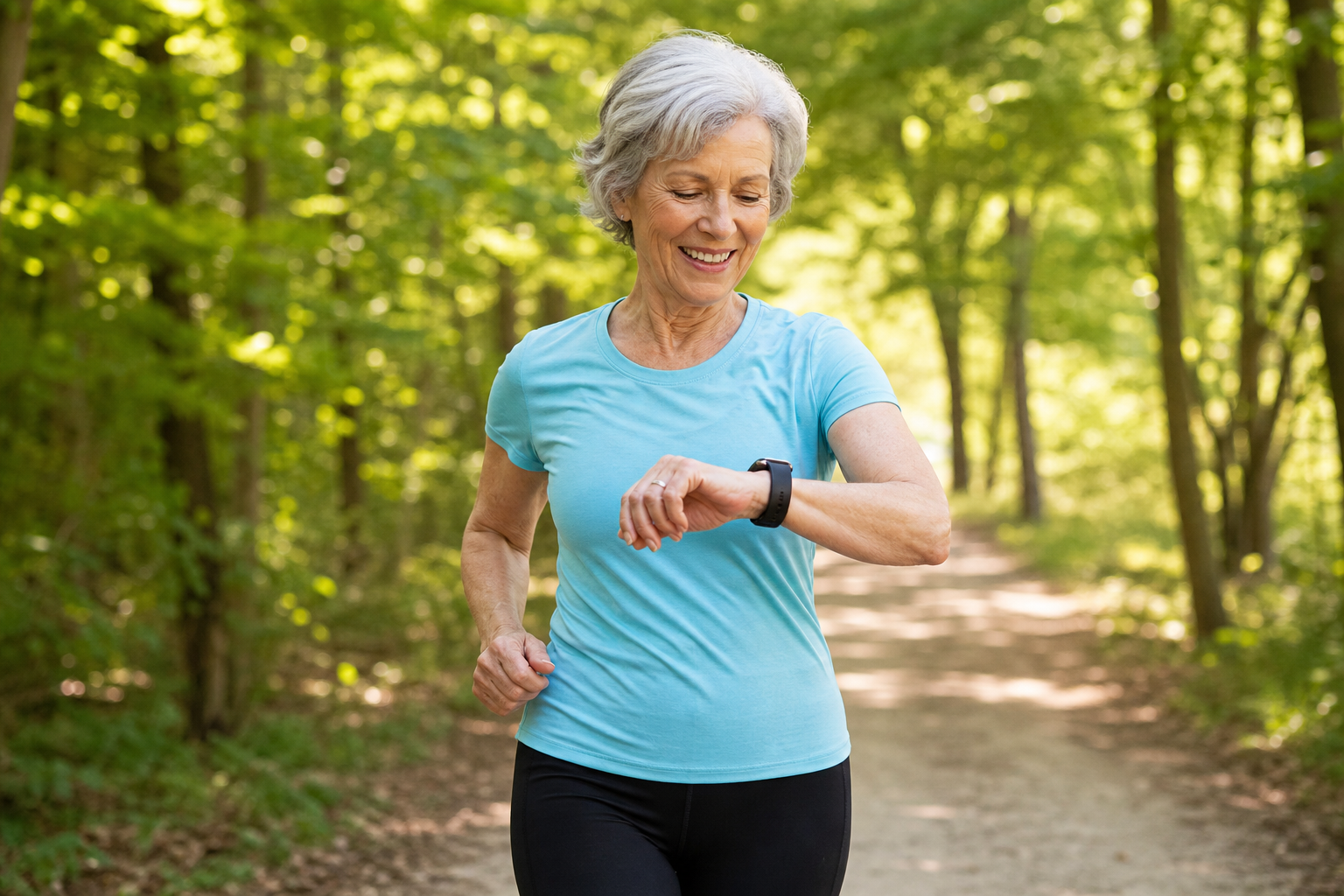
Standard medical alert features like a help button and two-way voice are table stakes. For people who exercise alone, a few other specs matter a lot more than they do for the average buyer.
- GPS range: A home-based system that only works within range of a base station is useless on a morning walk. You want cellular GPS so the device works anywhere your phone would.
- Fall detection accuracy: Automatic fall detection is excellent, but the sensors need to distinguish between a real fall and a vigorous lunge or a fast descent on a bike. Look for devices that have been updated to reduce false positives during exercise.
- Battery life: A device that needs charging every night is easy to forget. Aim for at least 24 to 36 hours of battery between charges, and ideally longer.
- Water resistance: Sweat and rain happen. An IP67 or IP68 rating means the device can handle real workout conditions.
- Comfort and wearability: If it’s uncomfortable to wear during a workout, you’ll take it off. A lightweight watch-style or pendant design matters more than people admit.
Balance issues are one of the most common reasons seniors fall during exercise. If that’s a concern for you, it’s worth reading up on vertigo and balance exercises for seniors alongside using a detection device, not instead of one.
Top Medical Alert Devices for Active Seniors
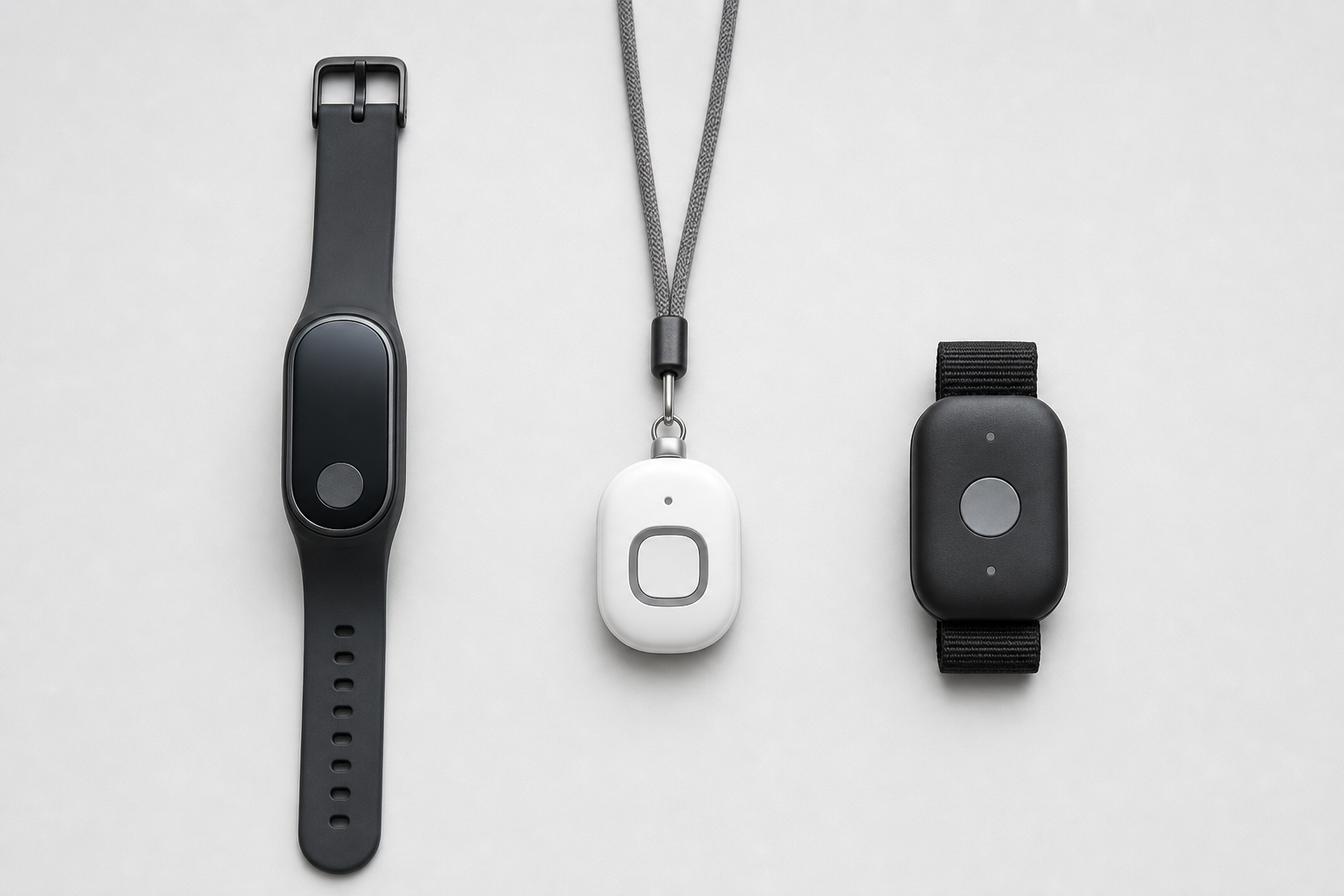
These picks are chosen specifically for people who are up and moving, not just those looking for a bedside button.
Apple Watch SE or Series 9 with Fall Detection
If you already use a smartphone and want a device that doubles as a fitness tracker, the Apple Watch with fall detection is one of the most capable options on the market. Turn on fall detection in the Health settings, add an emergency SOS contact, and it will automatically call 911 and share your location if you take a hard fall and don’t respond within 60 seconds.
Battery life runs about 18 hours on a full charge, which is the main limitation. But for a morning workout or trail run, it’s more than adequate. The fall detection algorithm has improved significantly and does a decent job of not misfiring during normal exercise movements.

Apple Watch SE with Fall Detection
A capable dual-purpose fitness tracker and fall detection device that works over cellular anywhere you take it.
Bay Alarm Medical SOS Smartwatch
For seniors who want dedicated medical alert features without the learning curve of a full smartwatch, the Bay Alarm Medical SOS Smartwatch is a strong contender. It connects to a 24/7 monitoring center rather than just your contacts, which means trained operators handle the response rather than a family member scrambling to figure out what to do.
It includes built-in GPS, fall detection, and step tracking, and the design is simple enough that there’s no tech barrier. The monthly monitoring fee is worth factoring into your decision alongside the device cost.
Medical Guardian MGMove
The Medical Guardian MGMove is a watch-style device built specifically for active adults. It has GPS, fall detection, and a direct connection to Medical Guardian’s monitoring center. One standout feature for exercisers: it includes activity tracking, which means the company’s app gives family members visibility into your daily movement patterns, not just emergencies.
Battery life hovers around 24 hours with typical use, and the device is water-resistant enough to handle a workout. It’s a good middle ground between a consumer smartwatch and a traditional medical alert system.

Medical Guardian MGMove Smartwatch
Purpose-built for active seniors with GPS tracking, fall detection, and a direct line to professional monitoring.
Philips Lifeline with AutoAlert
Philips Lifeline has been in this space for decades and their AutoAlert fall detection pendant is one of the more trusted options for people who prefer a simple, non-wristwatch form factor. The pendant hangs around your neck and can detect falls without you pressing anything, even if you’re disoriented or unconscious.
The GoSafe 2 version includes cellular GPS, which makes it suitable for outdoor exercise, not just home use. If you do activities like disc golf walks or longer trails where you might be genuinely far from help, the GPS model is the one to choose.
Monthly Monitoring Fees: What You Should Know
Almost every cellular medical alert device requires a monthly subscription for monitoring services or cellular data. Some, like the Apple Watch, use your existing cellular plan. Others route through the company’s own monitoring center.
Before buying, confirm whether the device has a monitoring fee, what that fee covers, and whether there’s a long-term contract. Some companies lock you in for a year. Others are month-to-month. Month-to-month is almost always worth the slightly higher rate for the flexibility it gives you.
Also check whether the monitoring center is US-based and staffed around the clock. In a real emergency at 3 AM on a hiking trail, response speed and communication quality matter.
Pairing Your Device With Smarter Exercise Habits
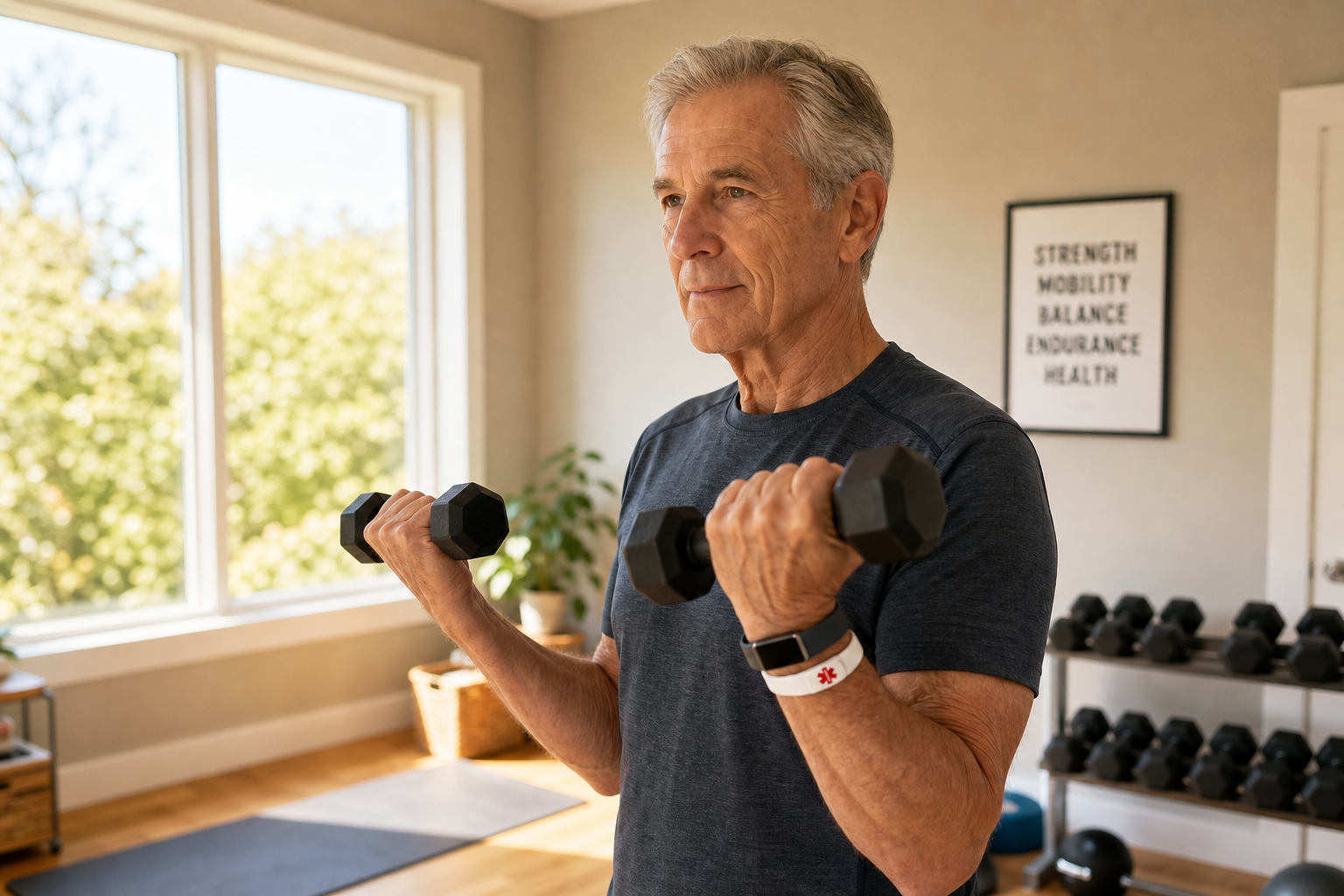
A medical alert device is a safety net, not a substitute for exercising smart. If you’re someone who pushes hard alone, a few habits work well alongside your device. Tell someone your route before outdoor workouts. Carry a charged phone. Check your environment for tripping hazards before a home workout.
If you’re dealing with conditions that raise your fall risk, like neuropathy, it’s worth reading about neuropathy-safe exercises for seniors to make sure your workouts aren’t putting you in unnecessarily risky positions. And if you track your activity digitally, pairing your alert device with one of the best fitness tracking apps for seniors gives you a fuller picture of your health over time.
You might also find that keeping your body strong through grip strength training and balance work is one of the best things you can do to reduce fall risk in the first place.
Frequently Asked Questions
Will fall detection go off during normal exercise?
Modern fall detection algorithms are much better than they used to be at distinguishing exercise movements from actual falls. That said, high-impact activities like jump training or heavy strength work can occasionally trigger a false alert. Most devices give you a 30 to 60 second window to cancel the alert before it escalates, so one accidental trigger won’t automatically send an ambulance to your door.
Do these devices work in rural areas or on trails far from cell towers?
Cellular-based devices depend on carrier coverage, which varies by location. Before relying on a GPS medical alert device for remote hiking, test it in the area you plan to use it. Some devices use multiple carrier networks to improve rural coverage. If you’re in genuinely remote territory, consider pairing a medical alert device with a satellite communicator like a Garmin inReach for backup.
Is a dedicated medical alert device better than just using my smartphone’s emergency SOS?
Your phone’s emergency SOS is a solid backup, but it requires you to be conscious, have the phone accessible, and be able to operate it. A wearable alert device with automatic fall detection works even when you can’t. For solo exercisers, that automatic detection is the key feature your phone alone can’t replicate.
The Bottom Line
If you exercise alone regularly, a medical alert device with fall detection and GPS is one of the smartest investments you can make. The Apple Watch is the most feature-rich option if you’re comfortable with the tech. Bay Alarm Medical and Medical Guardian offer simpler setups with professional monitoring centers. Philips Lifeline is the go-to if you prefer a pendant style.
Pick one that fits your lifestyle, wear it consistently, and get back to focusing on what actually matters: staying active and feeling good doing it.
Browse current options for medical alert devices with fall detection on Amazon to compare models and check current pricing.
This article contains affiliate links. We may earn a small commission at no extra cost to you.