Your brain needs exercise just like your muscles do. But instead of heading to the gym, brain fitness involves a mix of physical movement, mental challenges, and activities that form new neural connections. The science is clear: regular brain training can improve memory, processing speed, and even help protect against cognitive decline as you age.
The best part is that brain fitness doesn’t require expensive equipment or complicated routines. You can start today with activities that range from physical exercise to puzzles, and many of them are actually enjoyable. Here are ten proven ways to keep your mind sharp.
The Physical Connection: Exercise Your Body, Boost Your Brain
Physical activity isn’t just good for your heart. It’s one of the most powerful tools for brain health. When you exercise, your body increases blood flow to the brain, delivers more oxygen, and triggers the release of proteins that support neuroplasticity (your brain’s ability to form new connections).
Walking is a simple starting point. Just 30 minutes of brisk walking five times a week can improve memory and executive function. Research from the University of British Columbia found that regular aerobic exercise actually increases the size of the hippocampus, the brain region involved in memory and learning.
Tai chi and yoga combine physical movement with mental focus, making them particularly effective for brain health. The coordination required activates multiple brain regions at once, while the meditative aspects reduce stress hormones that can damage brain cells over time.
Dancing takes this even further. Learning choreography challenges your memory, spatial awareness, and timing all at once. Studies show that regular dancing can reduce dementia risk by up to 76%, making it one of the most brain-protective activities available.
Mental Workouts: Cognitive Activities That Build Brain Power
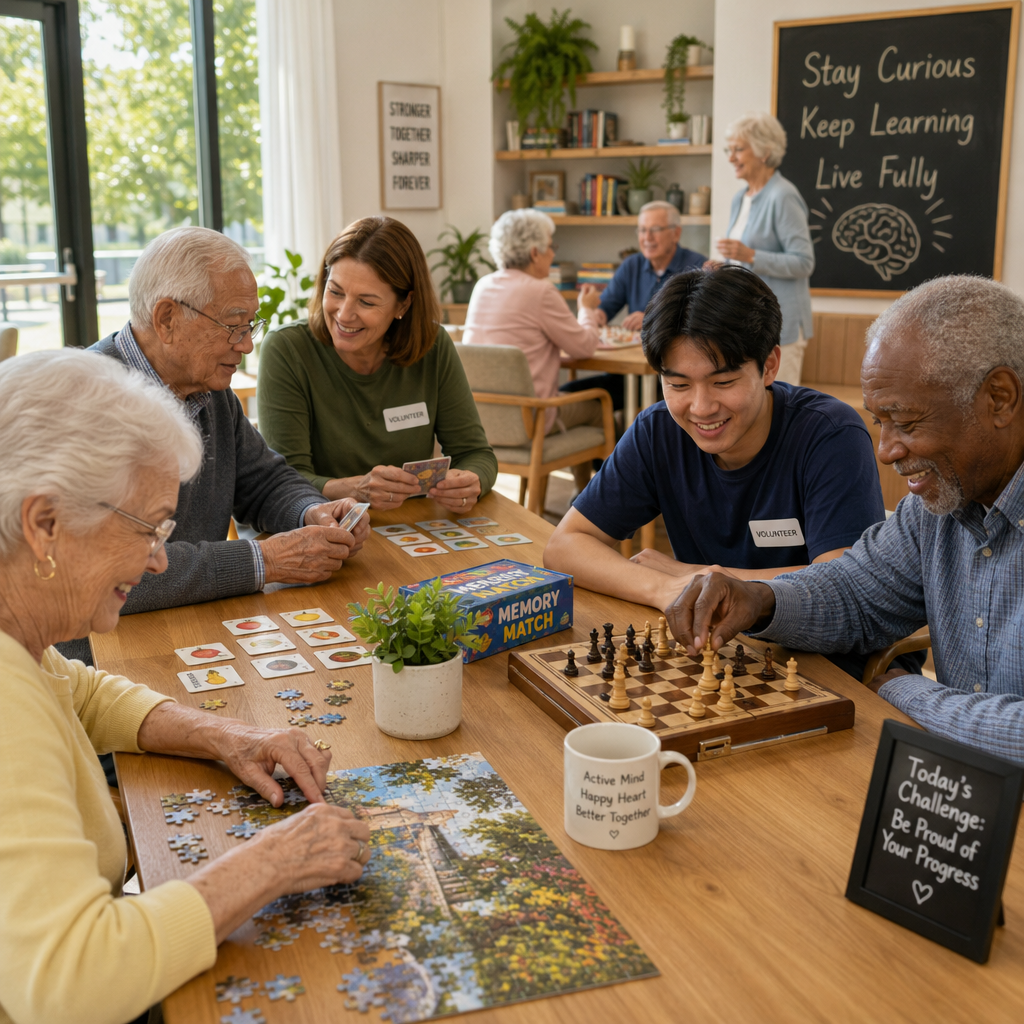
Puzzles and brain games work different mental muscles. Crossword puzzles strengthen vocabulary and verbal skills. Sudoku improves logical reasoning and pattern recognition. Jigsaw puzzles develop spatial reasoning and visual perception.
You can find excellent brain training tools in both physical and digital formats. A quality brain games book offers variety without screen time, while apps like Lumosity or Peak provide adaptive challenges that adjust to your skill level.
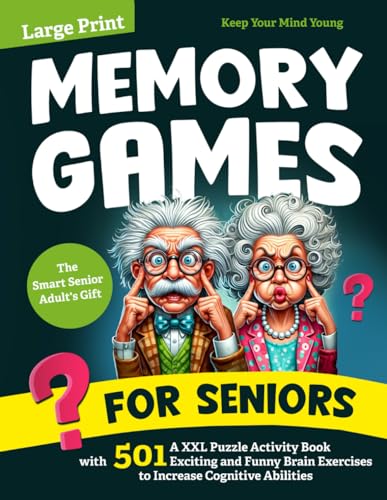
Large Print Brain Games Book
Perfect for daily mental workouts without eye strain.
Learning new skills creates fresh neural pathways. Pick up a musical instrument, study a foreign language, or try your hand at painting. The key is that the activity should be genuinely new to you and require sustained effort. Your brain grows the most when it’s challenged to master unfamiliar territory.
Memory games specifically target recall abilities. Start simple with card matching games or try memorizing short lists. Gradually increase difficulty by memorizing longer sequences or more complex information. You can practice this anywhere without special equipment.
Strategic Brain Fitness Activities for Daily Practice
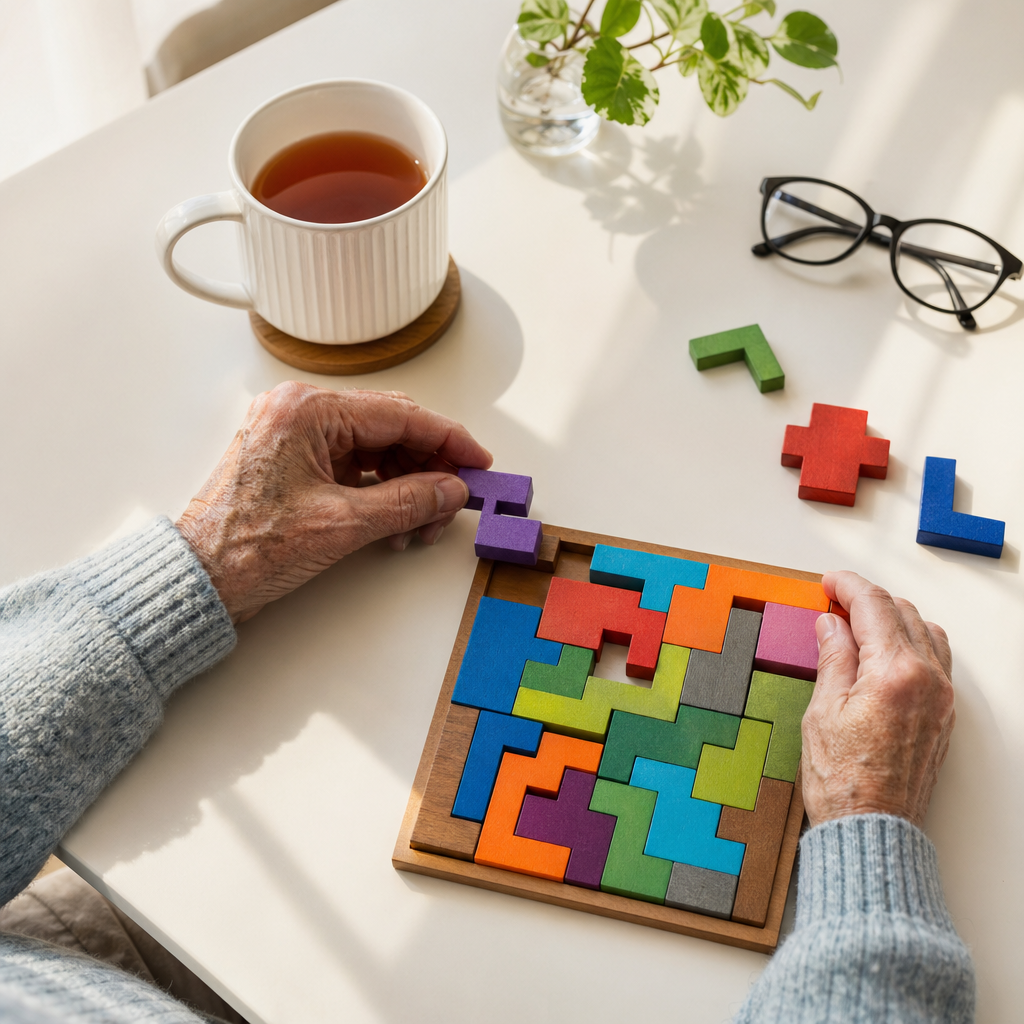
Reading actively engages multiple cognitive processes at once. Fiction builds empathy and emotional intelligence, while non-fiction expands knowledge and critical thinking. Try alternating between genres to work different mental skills.
Social interaction is surprisingly important for brain health. Conversation requires you to process language, read social cues, remember context, and formulate responses in real time. Join a book club, volunteer, or simply make time for meaningful conversations with friends and family.
Strategic games like chess, bridge, or even complex board games challenge planning, problem-solving, and memory. These games force you to think several steps ahead and adapt your strategy based on changing conditions. A quality chess set or strategy board game can provide years of mental stimulation.

Memory Match Card Game
Classic brain training that’s portable and suitable for all fitness levels.
Meditation and mindfulness practices improve focus and attention control. Start with just five minutes daily of focused breathing. Apps like Headspace or Calm can guide you through the basics, but you don’t need technology to benefit from this practice.
Mix activities throughout your week. Combine physical exercise on some days with seated cognitive activities on others. The variety itself is beneficial, as different activities target different aspects of brain function.
Frequently Asked Questions
How long does it take to see results from brain fitness exercises?
You might notice improved focus and mental clarity within a few weeks of consistent practice. More significant changes in memory and cognitive function typically appear after two to three months of regular activity. The key is consistency rather than intensity. Even 15 minutes daily beats occasional longer sessions.
Can brain exercises really prevent dementia?
While no activity guarantees prevention, research shows that regular cognitive and physical activity significantly reduces dementia risk. The ACTIVE study found that brain training benefits lasted up to 10 years after the intervention. Combined with physical exercise, proper sleep, and social engagement, brain fitness activities are among your best defenses against cognitive decline.
This article contains affiliate links. We may earn a small commission at no extra cost to you.