Standing in the supplement aisle, staring at a tub of whey and a tub of pea protein, you might wonder if it actually matters which one lands in your cart. For seniors specifically, the answer is more nuanced than most marketing copy lets on. Digestion, muscle response, dietary restrictions, and even your kidney health all play a role in which protein source makes more sense for you.
This article sticks to that one question: whey or plant protein, and which is likely to serve you better as you age. For broader guidance on how much protein you need daily or how to choose a protein powder in general, check out our protein supplements buying guide.
Why This Comparison Matters More After 60
Muscle loss speeds up with age, a process called sarcopenia, and protein is one of the main tools you have to slow it down. But not all protein sources trigger muscle building the same way, and your body’s ability to digest and absorb protein can shift too.
Whey and plant proteins differ in three practical ways that matter for older adults: how completely they supply the amino acids your muscles need, how easy they are on digestion, and how they fit with common health conditions like kidney disease, lactose intolerance, or high blood pressure. None of these differences make one option universally “better.” They just make one option better for a specific person in a specific situation.
Whey Protein: Strengths and Trade-Offs
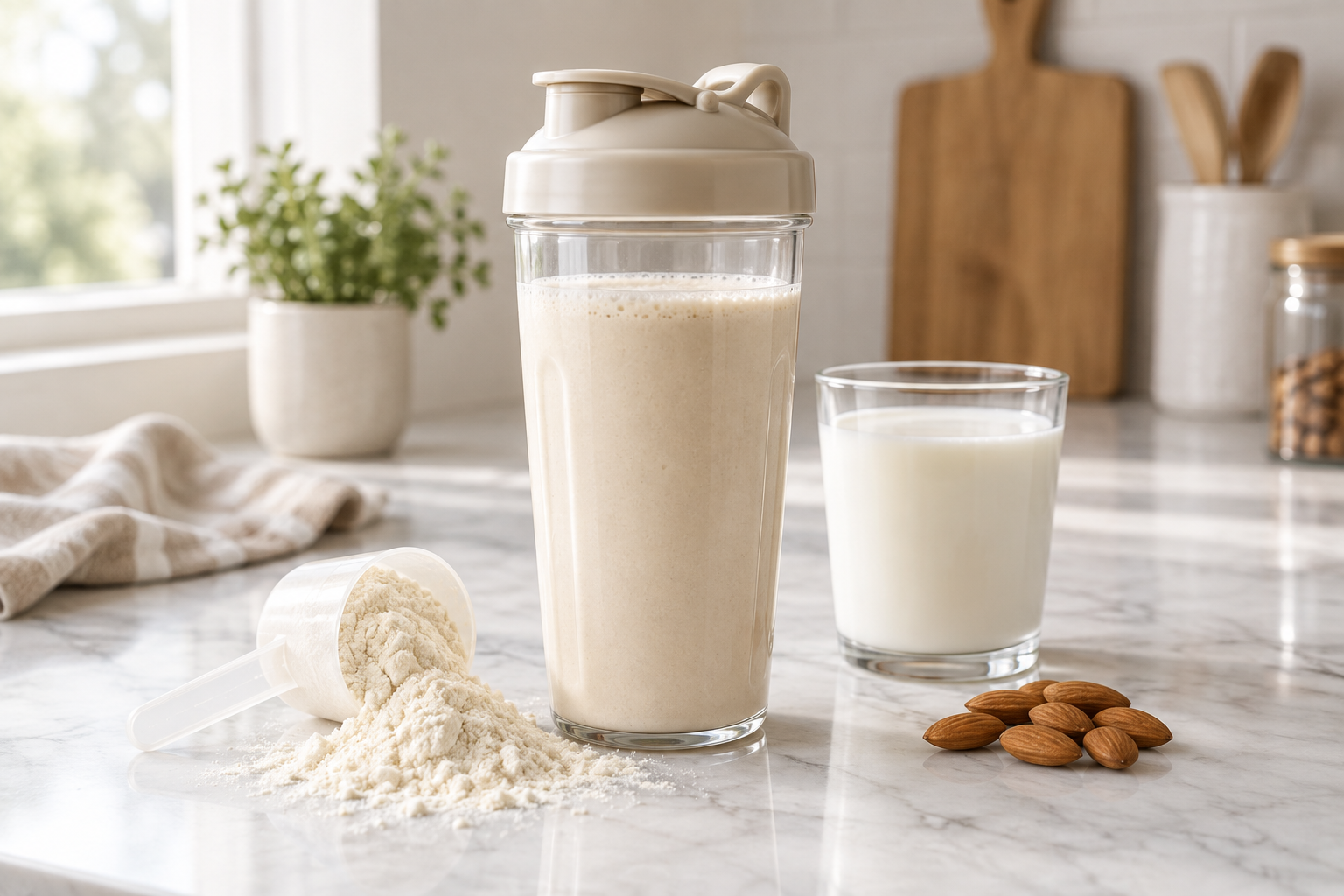
Whey is a complete protein, meaning it contains all nine essential amino acids in amounts your body can use efficiently. It’s also unusually high in leucine, the amino acid most responsible for triggering muscle protein synthesis. That matters because older muscle tends to respond less efficiently to protein intake, a phenomenon researchers call “anabolic resistance.” Higher leucine content can help push past that resistance.
Whey also digests fast. For someone recovering from surgery, illness, or a hospital stay, a fast-digesting protein that gets amino acids into circulation quickly can be genuinely useful. The downside is that whey comes from milk, so it’s off the table for anyone with a dairy allergy and can cause bloating or discomfort in those with lactose intolerance, even in isolate forms.
Whey protein isolate is generally easier on the stomach than whey concentrate because more of the lactose is filtered out during processing. If you tolerate dairy reasonably well but want to minimize digestive issues, isolate is usually the smarter pick over concentrate.
Optimum Nutrition Gold Standard Whey Isolate
A widely trusted whey isolate with a mild taste and lower lactose content, good for seniors who tolerate dairy but want easier digestion.
Plant Protein: Strengths and Trade-Offs
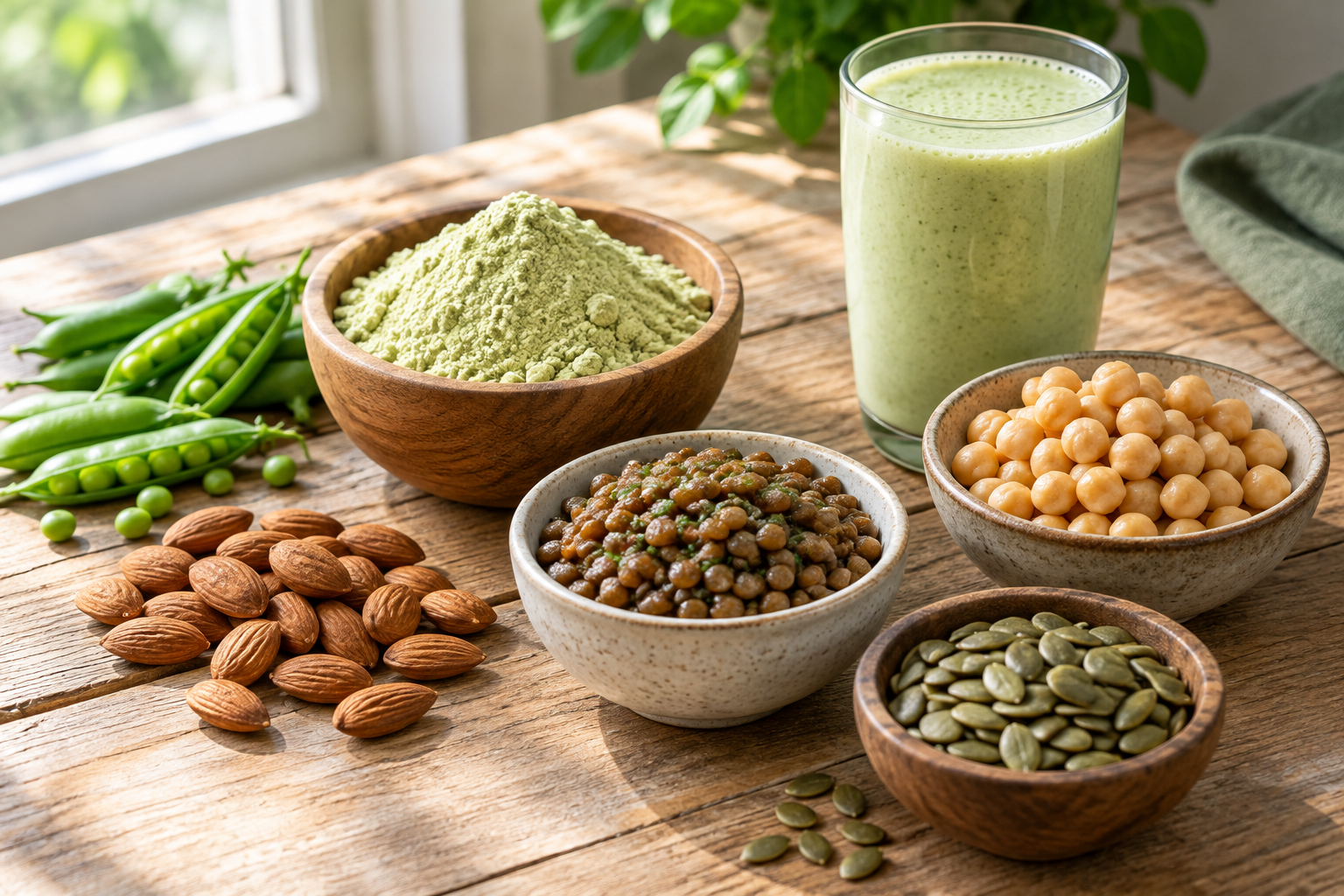
Single-source plant proteins like pea, rice, or hemp are usually incomplete on their own, meaning they’re low in one or more essential amino acids. Pea protein, for example, runs low in methionine, while rice protein is low in lysine. The workaround is blending sources, and most quality plant protein powders on the market now combine pea and rice (or pea, hemp, and other sources) specifically to cover those gaps.
Once blended properly, a plant protein powder can come reasonably close to whey in amino acid completeness, though leucine content is still typically lower gram for gram. That usually just means you may need a slightly larger serving to get an equivalent muscle-building stimulus, not that plant protein is ineffective.
Where plant protein clearly wins is tolerability. It’s naturally free of dairy and lactose, tends to be gentler on the gut for people with sensitive digestion, and is the obvious choice for anyone following a vegan or vegetarian diet for health, religious, or personal reasons. Plant proteins are also often lower in sodium and phosphorus than some dairy-based products, which can matter for people managing blood pressure or kidney concerns, though this varies a lot by brand and formulation.
Orgain Organic Plant-Based Protein Powder
A well-reviewed pea and brown rice protein blend that’s easy to digest and works well mixed into smoothies or oatmeal.
What Actually Determines the Better Choice for You
There isn’t a single right answer here, and anyone who tells you otherwise is oversimplifying. The better choice depends on a handful of personal factors that interact with each other.
- Body size and activity level: A larger, more active person recovering from strength training sessions has different protein needs than someone who is smaller and mostly sedentary. Higher activity generally means more total protein and possibly more benefit from whey’s faster absorption post-workout.
- Total calorie intake: If you’re eating well and getting enough calories overall, the specific protein source matters less. If your appetite is reduced, as it often is in later years, a more concentrated, easily tolerated protein becomes more important.
- Kidney function: Healthy kidneys handle normal-range protein intake without issue. But if you have chronic kidney disease, protein type and amount need to be managed carefully. This is a case where you should follow your clinician’s or renal dietitian’s specific guidance rather than general advice from any article, including this one.
- Illness or recovery: During recovery from surgery, infection, or hospitalization, protein needs often rise temporarily, and easier digestion becomes more valuable. This is where whey isolate’s fast absorption sometimes has an edge.
- Digestive sensitivity and allergies: Lactose intolerance, dairy allergy, or general digestive sensitivity often make plant protein the more comfortable daily option.
Because these factors vary so much from person to person, think in terms of ranges rather than a fixed number. Many older adults do well somewhere between 20 and 35 grams of protein per serving from a supplement, adjusted based on body size and how much protein they’re already getting from food. Your clinician or a registered dietitian can help you land on a number that fits your specific situation, especially if you have kidney disease or another medically restricted diet.
Blends and Combining Approaches
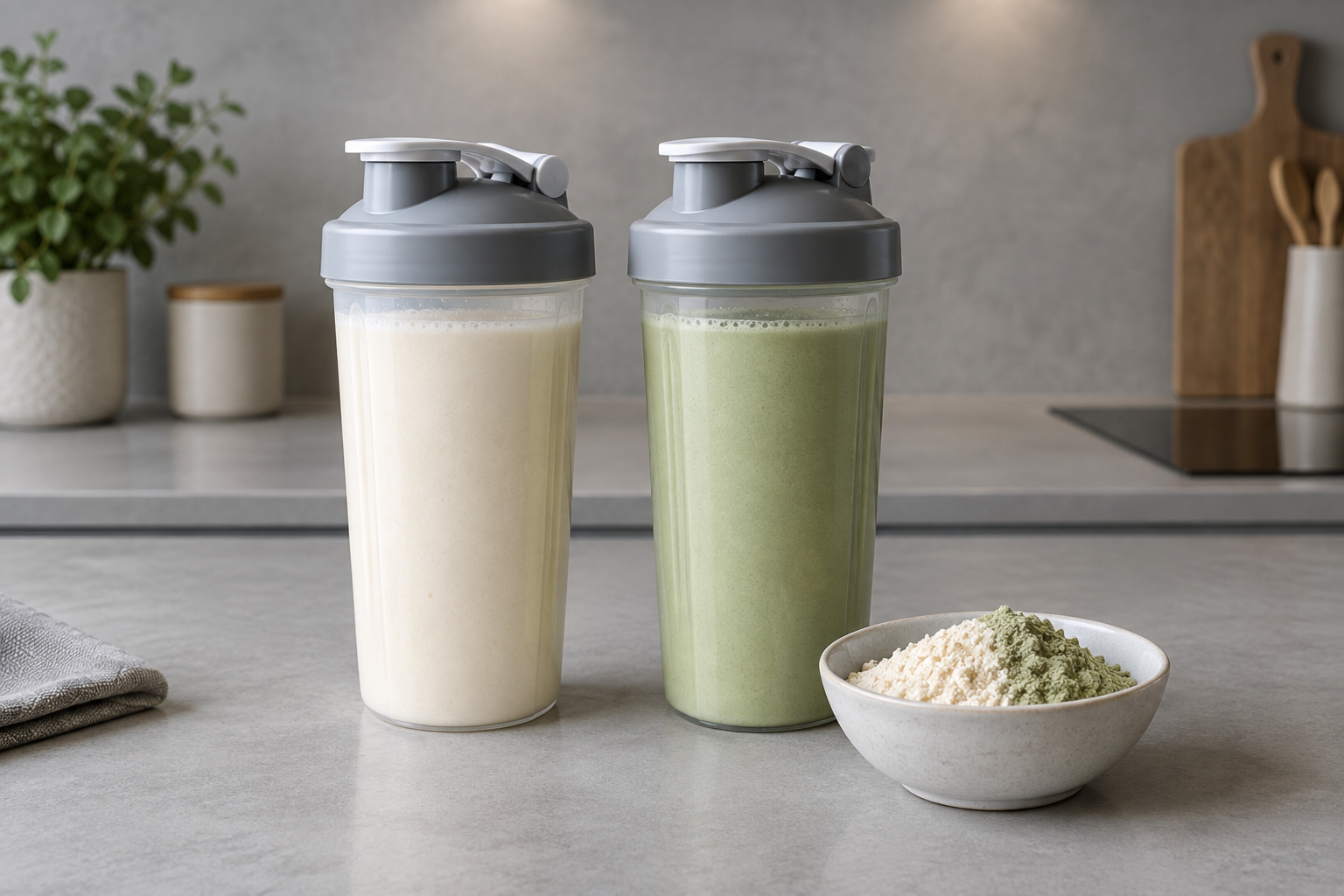
You don’t have to pick a permanent side. A lot of seniors do well rotating between whey and plant protein, or using blended formulas that combine both. Whey-plant blends can offer a fuller amino acid profile while diluting some of the dairy content, which may ease digestion slightly compared to pure whey.
Some people use whey on workout days, when the faster absorption and higher leucine content may help support recovery, and plant protein on rest days when digestion and tolerability matter more than speed. It’s a reasonable approach if you enjoy variety and don’t have a medical reason to stick strictly to one source.
If you’re building a broader strength routine to go along with better protein intake, our guide on how many sets and reps seniors should do for strength training is a useful next step, along with tips on increasing your weights safely after 60.
Frequently Asked Questions
Is whey protein bad for seniors with high blood pressure?
Whey itself isn’t inherently problematic for blood pressure, but some whey products contain added sodium or other additives worth checking on the label. Plant proteins aren’t automatically better either, since formulations vary widely by brand. If you’re managing high blood pressure, read the nutrition label closely and talk with your doctor about how much protein and sodium fits your overall diet.
Can plant protein build muscle as effectively as whey in older adults?
Research suggests plant protein can support muscle maintenance and growth in older adults, especially when it comes from a blended source with a complete amino acid profile. It may require a slightly larger serving size to match whey’s leucine content, but the gap is smaller than it used to be with modern blended formulas.
Should I avoid protein powder entirely if I have kidney disease?
Not necessarily, but this is exactly the kind of decision that needs to go through your clinician or a renal dietitian rather than general advice. Protein needs and restrictions in kidney disease depend on the stage of the disease and your individual lab results, so self-directed supplementation isn’t a safe approach here.
This article contains affiliate links. We may earn a small commission at no extra cost to you.