After a long walk or a day on your feet, an electric foot massager can feel like a small miracle. For seniors dealing with neuropathy, plantar fasciitis, poor circulation, or general foot fatigue from exercise, a quality massager provides relief that manual rubbing simply can’t match. But the market is flooded with options ranging from gentle to aggressive, and choosing the wrong intensity level can do more harm than good.
The right foot massager does more than feel good in the moment. It accelerates recovery between walks, reduces morning stiffness, and can help you maintain a consistent exercise routine without the next-day foot pain that often derails progress. Before you buy, though, you need to understand what type of massage mechanism addresses your specific issue and what intensity level your feet can tolerate safely.
Types of Foot Massagers
Shiatsu (Rolling and Kneading)
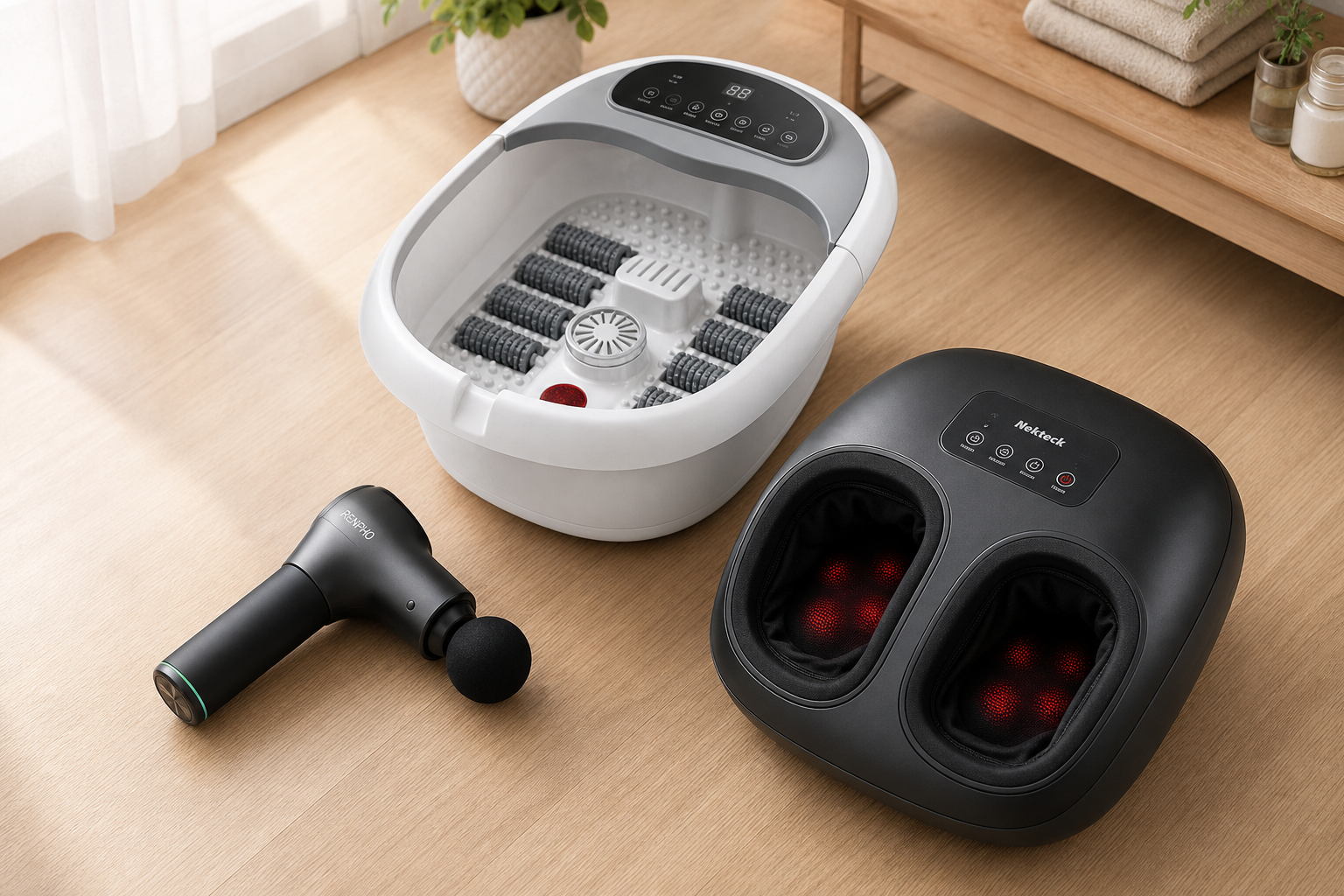
Shiatsu massagers use rotating nodes that dig into the muscles of your foot, mimicking the thumb pressure of a massage therapist. They’re effective for deep muscle tension and plantar fascia tightness. However, standard shiatsu intensity is often too aggressive for seniors with neuropathy, thin skin, or extreme sensitivity. Look for models with adjustable intensity that includes a genuinely gentle setting.
The rotating nodes typically target the arch and ball of the foot, where tension accumulates during walking. If you have high arches or particularly tight plantar fascia, shiatsu provides focused pressure that compression alone can’t deliver. The downside: if the nodes hit a tender spot, it can feel uncomfortably intense even on lower settings. Start with the shortest time cycle (usually 10-15 minutes) and adjust from there.
Air Compression
Air compression massagers use inflatable airbags that squeeze and release your feet rhythmically. This pumping action improves circulation by pushing blood back toward the heart, making it the best option for seniors with venous insufficiency or post-exercise swelling. The pressure is more evenly distributed than rolling nodes, which makes it more comfortable for sensitive feet.
Compression works particularly well for the tops of the feet and ankles, areas that shiatsu mechanisms often miss. If your feet swell after walking or you notice visible sock marks at the end of the day, compression massage addresses that directly. The squeezing sensation feels less “aggressive” than kneading, which makes it the safer choice if you’re unsure how your feet will respond.
Some models offer multiple compression levels. The difference between levels 1 and 3 can be substantial, so test the gentlest setting first. Too much compression too quickly can feel constricting rather than soothing, especially if your feet are already swollen.
Heated Massagers
Many foot massagers include a heat function that warms the soles and tops of the feet during the massage. Heat relaxes tight muscles, improves blood flow, and feels particularly soothing after cold-weather walks. The combination of heat and compression or kneading provides more relief than either alone.
Heat is most effective for general muscle tightness and cold feet. If you deal with Raynaud’s phenomenon or simply have poor circulation that leaves your feet cold after walks, the warming function can make a noticeable difference in comfort. Most units reach a maximum temperature around 110-120°F, warm but not scalding under normal circumstances.
Caution: If you have neuropathy and can’t accurately feel temperature, heated massagers carry a burn risk. Always start on the lowest heat setting and check the surface temperature with your hand before inserting your feet. Better yet, skip the heat function entirely if you have significant sensory loss. The mechanical massage alone provides most of the benefit without the temperature risk.
Combination Units
Most modern foot massagers combine two or three mechanisms: shiatsu plus compression, compression plus heat, or all three together. Combination units give you flexibility to customize each session based on what your feet need that day. After an easy neighborhood walk, you might use gentle compression only. After a challenging hike or longer distance, you might add heat and light kneading. This adaptability makes combination units worth considering for active seniors who vary their walking routine.
Top Foot Massagers for Seniors
RENPHO Foot Massager

RENPHO Foot Massager
Combines shiatsu, air compression, and heat with three adjustable intensity levels, ideal for plantar fasciitis relief
The RENPHO foot massager combines shiatsu rolling, air compression, and optional heat in a single unit. It has three intensity levels, and the lowest setting is gentle enough for most seniors. The foot chamber accommodates up to size 12 feet, and the control panel is simple (three buttons). It’s one of the most popular foot massagers for a reason: it does everything well at a mid-range price.
The shiatsu nodes target the arch specifically, which makes this particularly effective for plantar fasciitis relief. The compression airbags cover the top and sides of the foot, addressing swelling and circulation. You can run compression and shiatsu together or separately, depending on what feels best. The heat function is optional and controlled independently, so you’re not locked into using it every session.
The unit weighs about 9 pounds and has a built-in handle, making it reasonably portable between rooms. The foot opening is deep enough that you don’t have to point your toes uncomfortably to fit. One practical note: the control panel sits on top of the unit, which means you need to reach down or lean forward to adjust settings mid-session. If bending is difficult, keep it on a low table or ottoman within easy reach.
Cloud Massage Shiatsu Foot Massager
The Cloud Massage focuses on deep shiatsu kneading with 5 pressure settings and optional heat. Its adjustable bar lets you control how deeply your foot sits in the massager, effectively customizing the pressure. The highest settings are intense (better for larger, less sensitive feet), but the lowest setting works well for general post-walk recovery.
The adjustable bar is the standout feature here. By raising or lowering your foot position relative to the kneading nodes, you control exactly how much pressure hits the arch. This matters if you have particularly sensitive spots or if one foot tolerates more intensity than the other. You can adjust mid-session without stopping the massage cycle.
The kneading pattern alternates between the left and right foot rather than massaging both simultaneously. This sequential action feels more like a manual massage, which some users prefer. Others find it less efficient than bilateral massage. The unit runs quieter than most shiatsu massagers, around 50 decibels, quiet enough to use while watching TV without raising the volume.
Nekteck Shiatsu Foot Massager
The Nekteck is the most budget-friendly option that still delivers effective results. It uses rotating shiatsu heads with optional heat and has an on/off button interface. It doesn’t have air compression (which keeps the cost down), but for basic muscle relief after walking, it’s a solid choice.
The massage nodes are slightly smaller than premium models, which means less surface area coverage but more focused pressure on the arch. If your primary issue is tight plantar fascia rather than general foot fatigue, this targeted approach works well. The heat function warms evenly across the footplate and reaches a comfortable temperature within 3-4 minutes.
The simplicity is both a strength and limitation. One button turns it on, a second button activates heat. No intensity adjustment, no compression options, no timers. It runs for 15 minutes then auto-shuts off. If you want something uncomplicated that you can operate without reading a manual or fumbling with settings, this delivers. If you need variable intensity or compression for swelling, look at the other options.
Belmint Shiatsu Foot Massager
Belmint Shiatsu Foot Massager
Wider foot opening and thorough air compression, excellent for swelling reduction and larger feet
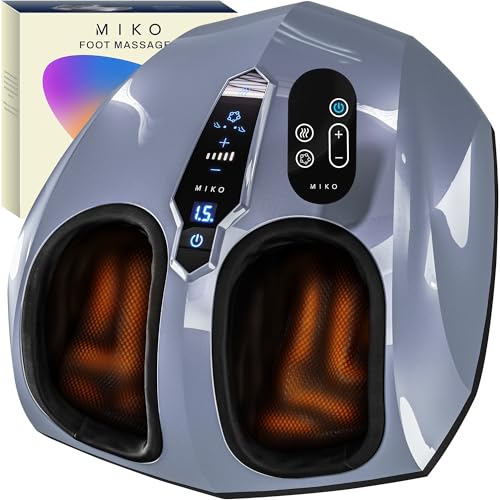
The Belmint combines air compression with gentle kneading and has a wider foot opening that accommodates larger or swollen feet more comfortably. The air compression is its strength, making it a good choice specifically for circulation improvement and swelling reduction after exercise.
The compression airbags cover more surface area than competing models, wrapping around the sides and top of the foot more completely. If post-walk swelling is your main concern, this provides the most thorough compression massage in this price range. The shiatsu function is gentler than the Cloud Massage or RENPHO, which makes it less effective for deep plantar fascia work but more tolerable for sensitive feet.
The foot chamber measures roughly 5 inches wide and 11 inches deep, noticeably roomier than standard units. If you wear size 11 or larger shoes, or if your feet swell significantly during the day, the extra space prevents that cramped feeling some massagers create. The wider opening also makes it easier to get your feet in and out, which matters if you have limited ankle flexibility or balance concerns when standing on one foot.
When to Choose Air Compression Over Shiatsu
If you have any of these conditions, prioritize air compression models over aggressive shiatsu: significant neuropathy with reduced sensation, thin or fragile skin that bruises easily, active arthritis flares in the foot joints, or severe swelling that makes direct pressure uncomfortable. Compression provides circulation benefits and feels soothing without the focused intensity that can aggravate sensitive tissue. You can always add a separate shiatsu session later if your feet tolerate it well, but starting with compression is the safer approach.
Important Contraindications
Do not use an electric foot massager if you have active deep vein thrombosis (DVT) in the legs (the massage action could dislodge a clot), open wounds, ulcers, or skin infections on the feet, severe peripheral artery disease (consult your doctor first), or fractured bones in the foot or ankle.
If you have diabetes with neuropathy, use the lowest intensity and heat settings, limit sessions to 15 minutes, and inspect your feet afterward for redness or irritation that you might not have felt during the massage.
Pregnancy, especially in the third trimester, requires caution. Foot massage can stimulate certain pressure points. Check with your obstetrician before using any electric massager regularly.
If you’re on blood thinners, the same bruise-risk caution applies as with any massage. Start very gently and watch for excessive redness or bruising that takes longer than usual to fade.
When in doubt, run it by your doctor before buying. This is particularly important if you have multiple conditions (diabetes plus neuropathy plus poor circulation, for example) where the risks compound.
Post-Walk Foot Recovery Routine
Pair your foot massager with these stretches for complete recovery after walking:
Calf stretch: Stand facing a wall, one foot back. Press the back heel into the floor. Hold 30 seconds per side. This releases tension that often radiates down into the plantar fascia. If balance is a concern, do this seated with a resistance band looped around the ball of your foot, pulling the toes back toward you gently.
Plantar fascia stretch: Sit and cross one foot over the opposite knee. Pull the toes back