You’ve probably seen them at the pharmacy or maybe your doctor mentioned them in passing. Compression garments, particularly compression socks and sleeves, have become increasingly popular among seniors. But do you actually need them, or are they just another wellness trend that promises more than it delivers?
The truth is, compression wear can make a real difference for many older adults, especially those dealing with circulation issues, swelling, or certain medical conditions. But they’re not right for everyone, and choosing the wrong compression level or fit can actually do more harm than good. Let’s break down what you need to know to make an informed decision.
What Compression Garments Actually Do
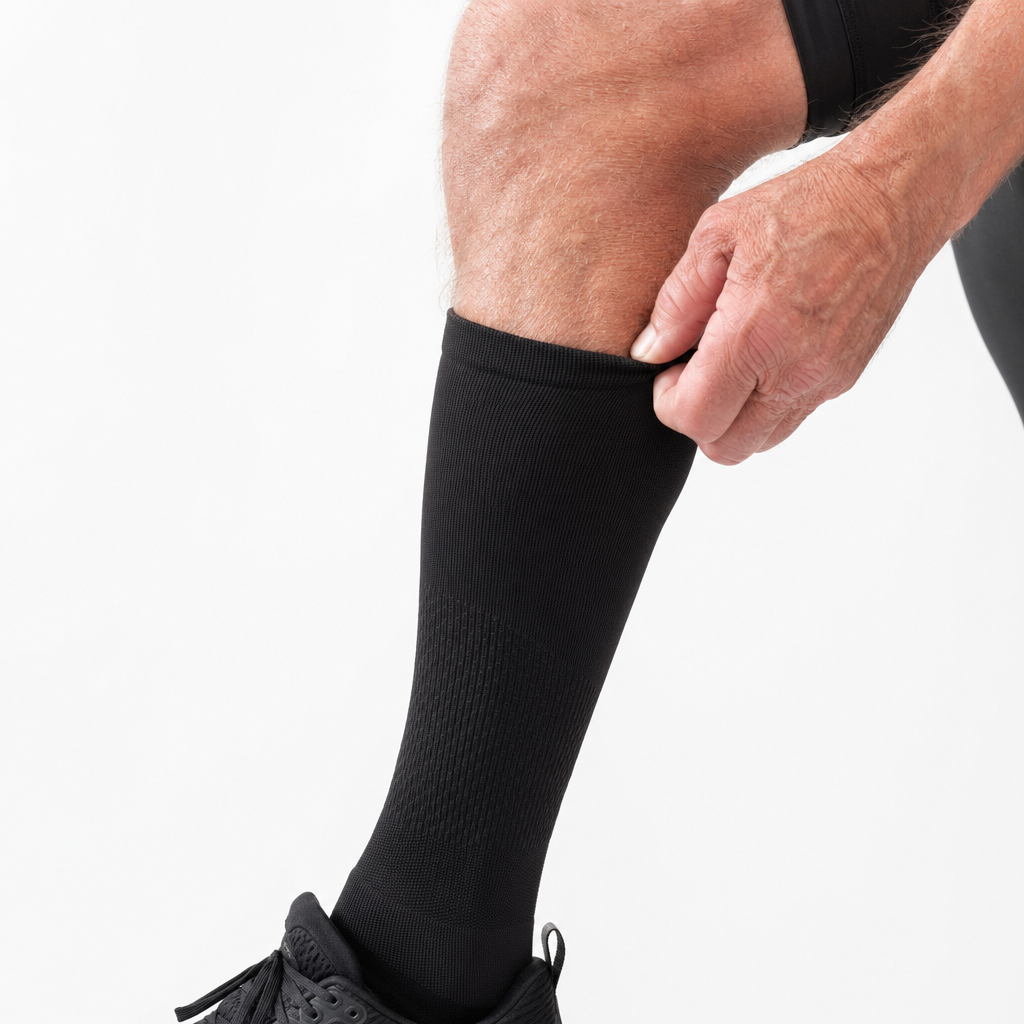
Compression wear works by applying graduated pressure to your limbs, typically strongest at the extremities (like your ankles) and gradually decreasing as it moves up. This pressure helps push blood back toward your heart, fighting gravity and supporting your circulatory system.
When you wear properly fitted compression garments, they help prevent blood from pooling in your legs and feet. This can reduce swelling, decrease the feeling of heavy or tired legs, and lower your risk of developing blood clots. For many seniors, this translates to less discomfort during the day and more energy to do the activities you enjoy.
The benefits extend beyond just comfort. Compression wear can help manage symptoms of venous insufficiency, reduce the appearance of varicose veins (though it won’t eliminate them), and provide support during long periods of sitting or standing. Some people also find they recover faster from physical activity when wearing compression garments.
Understanding Compression Levels
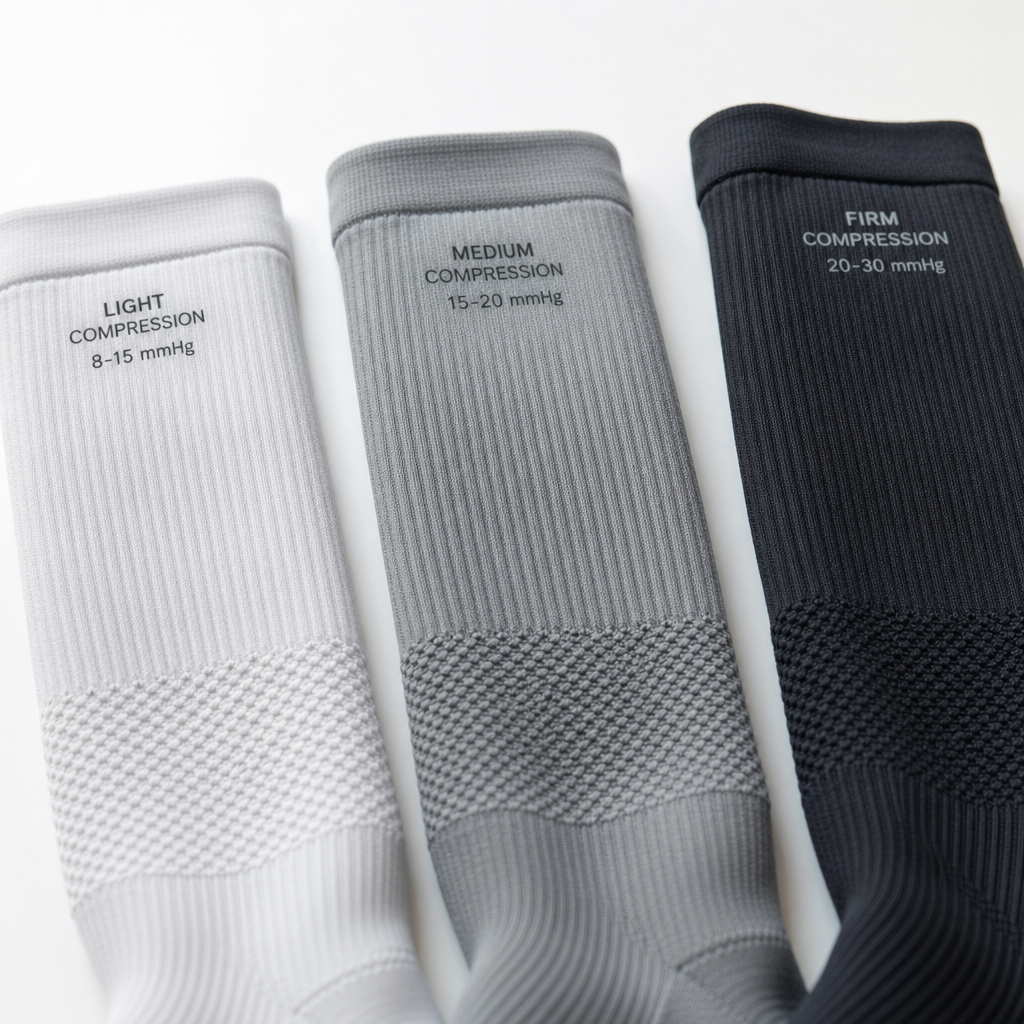
Not all compression garments are created equal. They’re measured in millimeters of mercury (mmHg), the same unit used to measure blood pressure. Choosing the right compression level is critical for both safety and effectiveness.
Mild Compression (8-15 mmHg)
This is the lightest compression level and suitable for people who want to prevent tired, achy legs but don’t have any diagnosed medical conditions. You can buy these over the counter without a prescription. They’re good for long flights, standing jobs, or general leg fatigue. Mild compression socks are also easiest to put on and take off, making them a good starting point.
Moderate Compression (15-20 mmHg)
This level provides more significant support and is often recommended for minor varicose veins, mild swelling, and prevention during pregnancy. You don’t need a prescription for this level either, but you should consult your doctor if you’re using them to manage a specific condition.

Compression Socks for Seniors 15-20 mmHg
These moderate compression socks offer the sweet spot between effectiveness and ease of use for daily wear.
Firm Compression (20-30 mmHg)
This is where you enter medical-grade territory. Firm compression is commonly prescribed for moderate to severe varicose veins, moderate swelling, post-surgical support, and prevention of deep vein thrombosis (DVT). Most doctors recommend getting a prescription for this level to ensure proper fit and usage.
Extra Firm Compression (30-40 mmHg and Higher)
These are strictly medical-grade garments used for severe venous conditions, lymphedema, and post-thrombotic syndrome. You absolutely need a prescription and proper fitting from a medical professional for this compression level. They’re significantly harder to put on and require careful monitoring.
Common Conditions That Benefit From Compression Wear
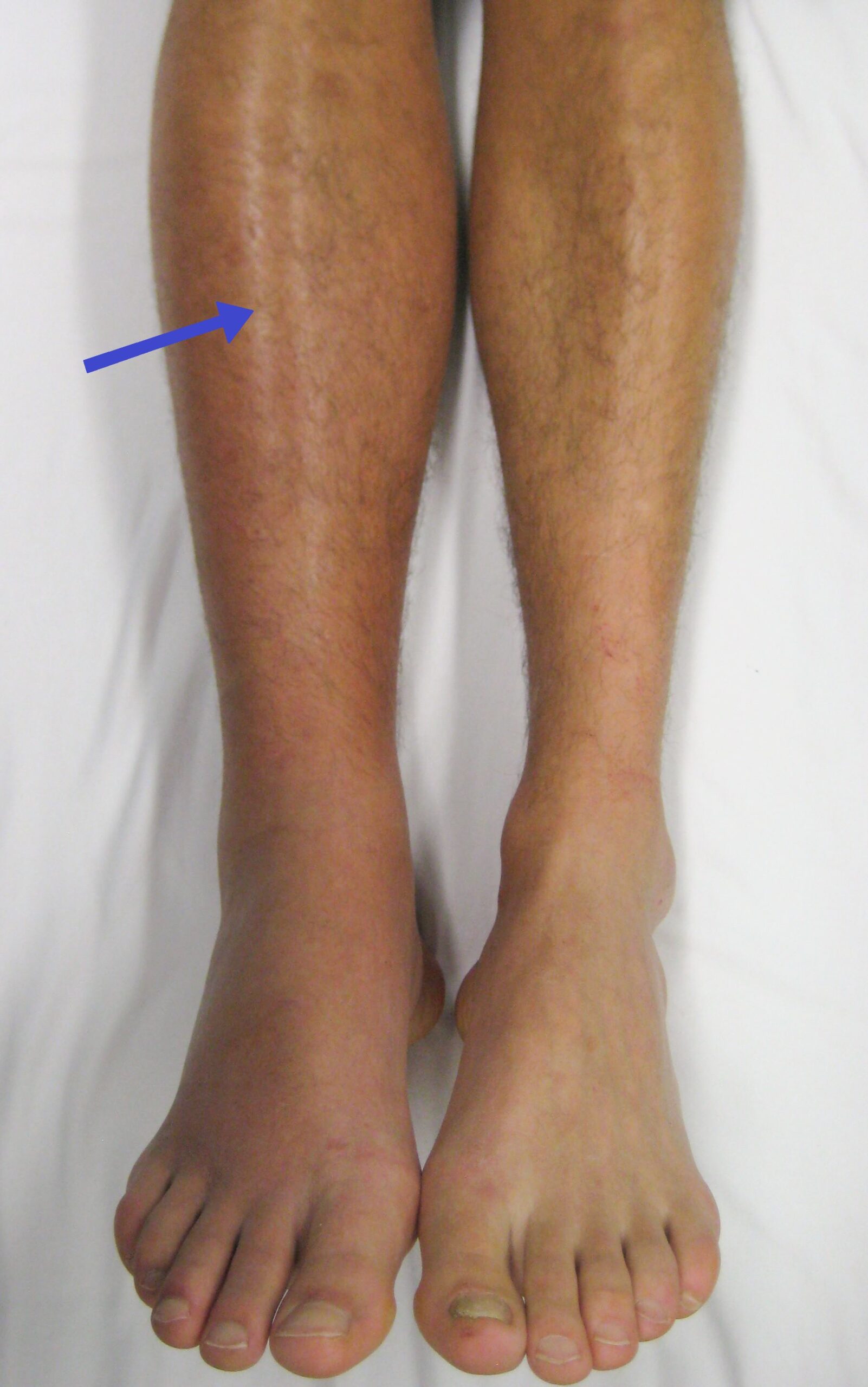
Certain medical conditions respond particularly well to compression therapy. Your doctor may recommend compression garments if you have any of these issues.
Chronic venous insufficiency is one of the most common reasons seniors wear compression garments. When the valves in your leg veins don’t work properly, blood flows backward and pools in your lower legs. Compression helps counteract this and reduces symptoms like swelling, pain, and skin changes.
Lymphedema, which causes swelling due to lymph fluid buildup, often requires compression garments as part of ongoing management. The pressure helps move lymph fluid through your system and prevents further accumulation. Compression sleeves for lymphedema are specifically designed for this condition.
Deep vein thrombosis (DVT) is a serious condition where blood clots form in deep veins, usually in the legs. While compression wear won’t treat existing clots, doctors often prescribe it after DVT treatment to prevent post-thrombotic syndrome and reduce the risk of future clots.
Diabetic patients may benefit from compression socks designed specifically for their needs. These typically feature non-binding tops, moisture-wicking materials, and seamless construction to protect sensitive skin. However, diabetics should always consult their healthcare provider before using compression wear, as improper use can restrict circulation.
When and How Long to Wear Them
Timing matters when it comes to compression garments. Most people get the best results by putting them on first thing in the morning, before any significant swelling occurs. Your legs are typically least swollen after a night of elevation, making this the ideal time to apply compression.
For daily wear, most doctors recommend keeping compression garments on throughout the day and removing them before bed. Your legs are elevated during sleep, so you generally don’t need the extra support at night. However, some medical conditions may require different schedules, so follow your doctor’s specific instructions.
During long flights or car trips, compression socks can help prevent swelling and reduce DVT risk. Put them on before you start your journey and keep them on until you reach your destination. Many travelers find that travel-specific compression socks make a noticeable difference in how they feel after long periods of sitting.
Athletes and active seniors might wear compression garments during exercise for support and afterward for recovery. Some research suggests compression can reduce muscle soreness and speed recovery time, though results vary by individual.
Getting the Right Fit: Sizing Matters
Poorly fitting compression garments won’t work properly and can even cause harm. Too loose and they won’t provide adequate compression. Too tight and they can restrict circulation, cause skin damage, or create painful pressure points.
Most compression garments are sized based on measurements of your ankle, calf, and sometimes thigh circumference. You’ll also need to measure the length from your heel to your knee or thigh, depending on the garment style. Take these measurements in the morning when swelling is minimal for the most accurate sizing.
Different brands use different sizing charts, so don’t assume you’re the same size across all manufacturers. Always check the specific brand’s sizing guide before ordering. When measurements fall between sizes, the general rule is to size down for better compression, but check with the manufacturer or your healthcare provider.

Compression Socks Sizing Guide
A measuring tape designed for compression garment sizing takes the guesswork out of finding your correct size.
Consider getting professionally fitted for your first pair of medical-grade compression garments. Many medical supply stores, specialty pharmacies, and some doctor’s offices offer fitting services. The staff can ensure you’re getting the right size and show you proper techniques for putting them on and taking them off.
Types of Compression Garments for Different Needs
Compression wear comes in various styles beyond just knee-high socks. The type you need depends on where you experience problems and your specific condition.
Knee-high compression socks are the most common and work well for most leg circulation issues. They’re easier to put on than full-length options and sufficient for many conditions. You can find them in various colors and patterns, making them more appealing for daily wear.
Thigh-high compression stockings provide coverage for people with swelling or vein problems that extend above the knee. They’re harder to keep in place and can be challenging to put on, but they’re necessary for some conditions. Look for styles with silicone bands at the top to help them stay up.
Compression pantyhose offer full-leg coverage and are particularly useful for people with swelling in both legs. They won’t roll down like thigh-highs might, but they’re also the most difficult type to put on and take off.
Arm sleeves help with lymphedema, post-surgical swelling, or conditions affecting the upper extremities. They come in various lengths, from wrist-to-elbow to full-arm styles. Compression arm sleeves are essential for many breast cancer survivors dealing with lymphedema.
Tips for Putting On and Caring for Compression Wear
Getting compression garments on can be surprisingly difficult, especially the higher compression levels. The material needs to be snug to work properly, which also makes it challenging to pull on.
Start with clean, dry skin and make sure your compression garment is inside-out to the heel. Gather the material in your hands and work it onto your foot, positioning the heel correctly. Then gradually pull the garment up your leg, smoothing out wrinkles as you go. Never bunch it up and try to yank it on all at once.
Rubber gloves (like dishwashing gloves) can give you better grip on the material without snagging it with your fingernails. Some people swear by this trick for getting higher compression levels on more easily.
For people with limited mobility or dexterity, donning devices can make the process much easier. These frames hold the compression garment open so you can step into it, then help you pull it up. Sock aid devices are particularly helpful for seniors who have trouble bending or reaching their feet.
Wash your compression garments after each wearing to maintain their elasticity and hygiene. Use mild detergent and either hand wash or use a delicate cycle in a mesh laundry bag. Air dry them flat or hanging, but never put them in the dryer. The heat will break down the elastic fibers and reduce their effectiveness.
Replace compression garments every three to six months, depending on how often you wear them. The compression gradually decreases over time, even with proper care. When your garments start feeling looser or show visible wear, it’s time for new ones.
Important Precautions and When to Consult Your Doctor
While compression wear is safe for most people, certain conditions require medical supervision. Never start wearing medical-grade compression (20 mmHg or higher) without consulting your healthcare provider first.
People with peripheral artery disease (PAD) should be especially cautious. This condition reduces blood flow to the limbs, and compression could potentially make it worse. Your doctor needs to evaluate whether compression is safe for you and what level is appropriate.
If you have diabetes, neuropathy, or any condition that affects sensation in your legs, work closely with your doctor. You might not feel if the compression is too tight or causing skin damage, which can lead to serious complications.
Watch for warning signs that your compression garments aren’t fitting properly or that you’re experiencing complications. Remove them immediately if you notice numbness, tingling, increased pain, skin discoloration beyond normal compression marks, or any open sores. Contact your healthcare provider if these symptoms occur.
Some people develop skin reactions to the materials in compression garments. If you experience itching, rashes, or irritation, you might need a different brand or material. Hypoallergenic options are available.
Frequently Asked Questions
Can I sleep in compression socks?
Generally, you should remove compression socks before bed unless your doctor specifically recommends overnight wear. When you’re lying down, your legs are already elevated, so you don’t need the extra circulatory support. Wearing compression overnight can potentially restrict circulation when you don’t need the benefits.
How do I know if my compression level is too high?
Signs that your compression is too strong include numbness, tingling, increased pain, or skin discoloration that doesn’t fade shortly after removing the garment. You should feel gentle, even pressure, not painful squeezing. If you can’t get your compression garments on without significant struggle, you may need a lower compression level or larger size.
Will compression socks make my veins disappear?
Compression garments help manage symptoms and prevent varicose veins from worsening, but they won’t eliminate existing veins. They can reduce the appearance of veins temporarily while you’re wearing them and may prevent new ones from forming. For removal of varicose veins, you’ll need medical treatments like sclerotherapy or laser procedures.
Can I wear compression socks if I have swollen feet?
Yes, compression socks can help reduce foot swelling, but you need to time it right. Put them on in the morning before swelling develops. If your feet are already swollen, elevate them for 15 to 20 minutes to reduce the swelling first, then put on the compression garments. Severe swelling should be evaluated by a doctor before starting compression therapy.
Making Your Decision
Compression wear isn’t necessary for every senior, but it can significantly improve quality of life for those dealing with circulation issues, swelling, or certain medical conditions. The key is matching the right compression level and garment type to your specific needs.
Start by talking with your healthcare provider, especially if you have any medical conditions or take medications that affect circulation. They can help you determine whether compression garments would benefit you and what compression level is appropriate. For mild, preventive compression, you can try over-the-counter options and see how you feel.
Pay attention to sizing and don’t skip the measuring process. A properly fitted compression garment should feel snug but not painful, provide even pressure, and stay in place throughout the day. When you find the right fit and compression level, many people notice immediate improvements in leg comfort and energy levels.
Remember that compression wear is often part of a broader approach to managing circulation and swelling. Combine it with regular movement, leg elevation when resting, proper hydration, and any other treatments your doctor recommends for the best results.
This article contains affiliate links. We may earn a small commission at no extra cost to you.