After 65, your bones face a silent challenge. Each year, you can lose 1% or more of your bone density, putting you at higher risk for fractures that can dramatically affect your independence. But here’s what most people don’t realize: exercise can actually rebuild bone strength, even if you’ve already experienced some loss.
This guide walks you through the specific types of exercises proven to maintain and improve bone density in your hips and spine. You’ll learn exactly what works, how to progress safely, and what nutritional support your bones need to stay strong.
Understanding Weight-Bearing and Impact Activities
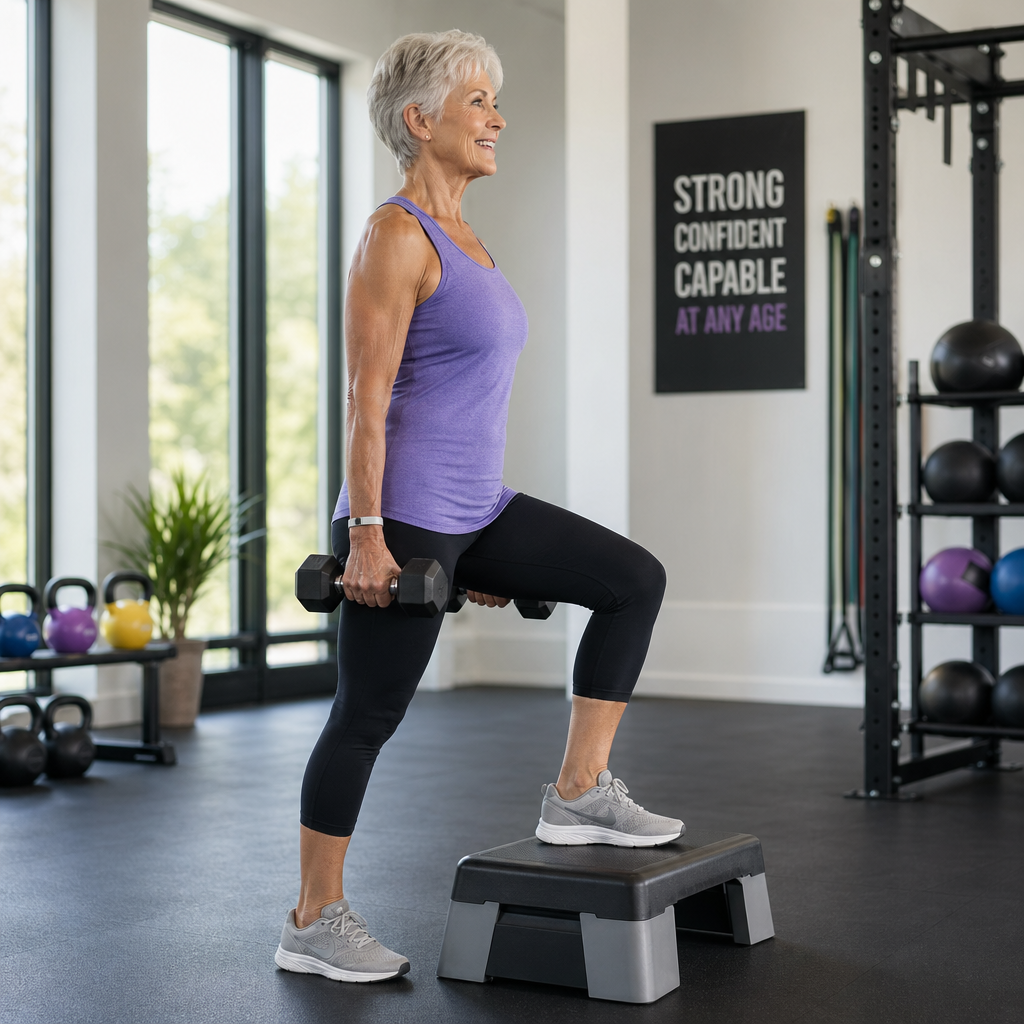
Weight-bearing exercises force your bones to work against gravity, which signals them to strengthen. Your skeleton adapts to stress by depositing more minerals where you need them most.
Walking is the most accessible weight-bearing activity, but standard walking alone isn’t intense enough to significantly improve bone density. You need to add variation and challenge. Try brisk walking with intervals of faster pace, or incorporate hills and stairs into your routes.
Low-impact aerobics, dancing, and elliptical machines provide moderate bone-building benefits. These activities keep you moving while reducing joint stress, making them good options if you’re starting from a sedentary lifestyle.
For those without existing fractures or severe osteoporosis, higher-impact activities deliver better results. These include jogging, tennis, pickleball, or aerobic dance classes. The key is creating enough impact to stimulate bone growth without risking injury.
Start conservatively. If you haven’t done impact activities in years, begin with marching in place, progressing to light hopping on a soft surface. Build gradually over weeks and months, not days.
Resistance Training Protocols That Work
Lifting weights creates direct force on your bones through muscle contractions. Studies show resistance training can increase bone density by 1-3% annually in older adults, which effectively reverses years of loss.
Focus on exercises that load your hips and spine. Squats, lunges, deadlifts, and overhead presses are particularly effective. These compound movements create multi-directional forces that strengthen bone structure comprehensively.
You need adequate weight to trigger bone adaptation. Using 2-pound dumbbells won’t cut it. Aim for weights that make 8-12 repetitions challenging but doable with proper form. Once you can complete 12 repetitions easily, increase the weight by 5-10%.

Adjustable Dumbbells for Seniors
Adjustable dumbbells let you progress gradually without cluttering your space with multiple weight sets
Train two to three times per week with at least one rest day between sessions. Your bones need recovery time to rebuild stronger. A typical session should include 6-8 exercises targeting different body parts, with 2-3 sets of each movement.
Proper form matters more than weight. Consider working with a physical therapist or certified trainer initially to learn correct technique. Poor form increases fracture risk and reduces effectiveness.
Adding Safe Impact With Weighted Vests
Weighted vests provide an excellent way to increase bone-building stimulus during daily activities. Wearing a vest during walks or household tasks adds consistent load to your spine and hips without requiring you to learn complex exercises.
Start with a vest that’s 4-5% of your body weight. For a 150-pound person, that’s 6-8 pounds. You can gradually increase to 10% of body weight as you adapt over several months.
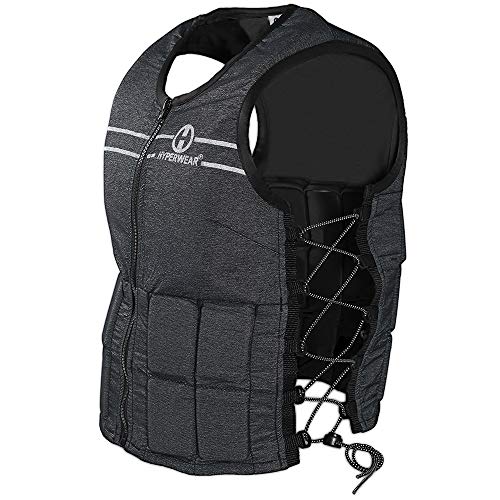
Weighted Vest for Osteoporosis
Look for vests with adjustable weights and padded shoulders designed specifically for bone health
Wear your vest for 20-30 minute sessions, 3-5 times per week. You can use it during regular walks, while doing chores, or during balance exercises. The added weight creates continuous compression through your spine, stimulating bone formation.
Skip the vest if you have existing compression fractures or severe osteoporosis until you’ve consulted your doctor. For others, vests provide one of the safest ways to add bone-building load.
Calcium, Vitamin D, and Nutritional Essentials

Exercise alone won’t maintain bone density without proper nutritional support. Your bones need raw materials to rebuild stronger after training stimulus.
You need 1,200 mg of calcium daily after 65. Dairy products, leafy greens, sardines, and fortified foods provide dietary sources. If you can’t meet this through food, consider calcium supplements with vitamin D.
Vitamin D is equally critical since it controls calcium absorption. Most adults over 65 need 800-1,000 IU daily. Your body produces vitamin D from sun exposure, but aging skin becomes less efficient at this conversion. Blood tests can reveal if you’re deficient.
Take calcium in divided doses throughout the day rather than all at once. Your body can only absorb about 500 mg at a time. Calcium citrate works better than calcium carbonate if you take acid-reducing medications.
Protein matters too. Aim for 1.0-1.2 grams per kilogram of body weight daily. Your bones are about 50% protein by volume, and adequate protein intake supports both bone and muscle health.
Bone Density Testing and Monitoring Progress
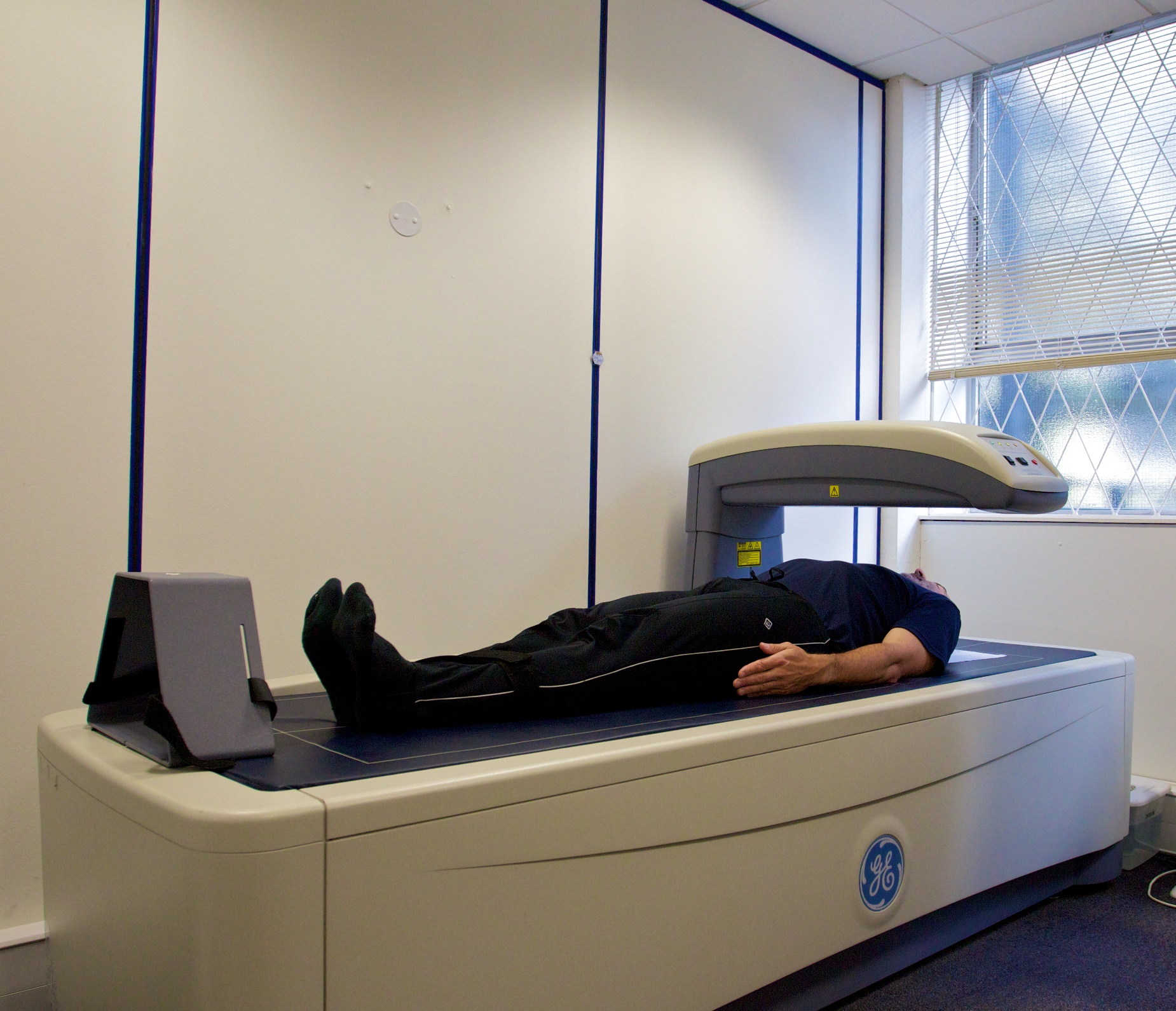
You can’t feel bone density changes, so testing becomes essential for tracking your progress and adjusting your program.
The gold standard test is a DXA scan (dual-energy x-ray absorptiometry), which measures bone mineral density in your spine and hip. Medicare covers this screening for people over 65, typically every two years.
Your results come as T-scores comparing your bone density to a healthy 30-year-old. A score above -1.0 is normal. Between -1.0 and -2.5 indicates osteopenia (low bone mass). Below -2.5 means osteoporosis.
Retest every 1-2 years to evaluate whether your exercise and nutrition program is working. Changes of 3-5% typically indicate real improvement rather than measurement variability.
Between DXA scans, track functional measures like your ability to lift heavier weights, walk longer distances, or perform exercises you couldn’t do previously. These improvements indicate your program is effective even before scan results confirm bone changes.
Safe Exercise Progressions and Precautions
Starting an exercise program with existing bone loss requires careful progression. Rushing increases fracture risk, but staying too cautious limits benefits.
If you have osteopenia, you can generally perform most exercises with appropriate progression. Focus on proper form and gradual load increases. Avoid sudden jerking motions or exercises that involve extreme spinal flexion.
With osteoporosis, work with a physical therapist initially to identify safe exercises for your specific situation. You’ll typically avoid high-impact activities, forward-bending movements, and twisting motions that stress compromised vertebrae.
Red flags to watch for include new back pain, height loss, or sudden difficulty with movements you could previously perform. These might indicate compression fractures requiring medical evaluation.
Balance training becomes increasingly important since falls cause most fractures in older adults. Include single-leg stands, heel-to-toe walking, and tai chi movements in your routine. A balance pad adds challenge to basic standing exercises.
Frequently Asked Questions
How long before I see improvements in bone density?
Bone remodeling takes time. You typically won’t see measurable changes on a DXA scan for at least 12-18 months of consistent training. However, you’ll notice functional improvements like better balance, strength, and endurance within 6-8 weeks. These early gains indicate your program is working even before scan results reflect bone changes.
Can I rebuild bone density if I already have osteoporosis?
Yes, but the degree of improvement varies. Studies show people with osteoporosis can increase bone density by 1-2% annually with proper exercise and nutrition, though you’re unlikely to return to normal levels. More importantly, exercise dramatically reduces fracture risk by improving strength, balance, and fall prevention even without complete reversal of bone loss.
What exercises should I absolutely avoid with low bone density?
Skip exercises involving repeated forward bending (like toe touches or sit-ups), high-impact jumping if you have osteoporosis, and extreme twisting movements under load. Golf swings and certain yoga poses can create shearing forces on vulnerable vertebrae. Activities that increase fall risk, like skiing or climbing ladders, deserve careful consideration based on your individual bone health and fitness level.
This article contains affiliate links. We may earn a small commission at no extra cost to you.