Walking with knee pain changes everything about your daily routine. Every step becomes a calculation, and choosing the wrong shoes can turn a simple walk into a painful ordeal. The right pair of walking shoes can make the difference between staying active and giving up on walks altogether.
Finding shoes that actually reduce knee stress requires more than just comfort. You need specific features like proper arch support, shock-absorbing cushioning, and stability controls that work together to change how your foot strikes the ground. After researching dozens of models and consulting with podiatrists who specialize in senior foot care, here are the best walking shoes for seniors dealing with knee pain in 2026.
Why Your Shoes Matter More Than You Think
Your knees absorb about 1.5 times your body weight with every step you take. Worn-out shoes or models without proper support create misalignment that travels up from your feet through your ankles and straight into your knees.
The key features that protect your knees include adequate heel cushioning to absorb impact, medial arch support to prevent overpronation, and a stable heel counter that keeps your foot from rolling inward. When your foot rolls excessively with each step, your knee twists slightly to compensate, and that repetitive stress adds up quickly. Learning about proper form and techniques for preventing knee pain works hand-in-hand with wearing the right footwear.
Most people keep their walking shoes far too long. Even quality shoes break down after 300-500 miles of walking. For someone walking 30 minutes daily, that’s roughly every 6-8 months.
Top Walking Shoes for Knee Pain Relief
Brooks Addiction Walker 2
The Brooks Addiction Walker 2 stands out as the best overall choice for seniors with knee pain. This shoe delivers maximum support with a progressive diagonal rollbar that guides your foot through each step while reducing excess motion that stresses your knees.
The full-grain leather upper provides durability and easy cleaning, while the slip-resistant outsole gives you confidence on wet surfaces. The cushioning system uses BioMoGo DNA technology that adapts to your stride, providing customized shock absorption exactly where you need it.
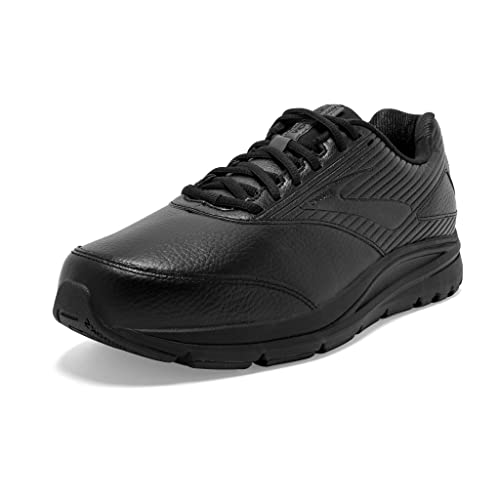
Brooks Addiction Walker 2
Best overall support and stability for seniors with knee pain and overpronation issues
New Balance 928v3
New Balance designed the 928v3 specifically for people who need serious motion control. The ROLLBAR technology in the heel and midfoot reduces rear-foot movement, which directly translates to less knee stress during your walks.
This shoe runs a bit wider than average, making it perfect if you have bunions or wide feet. The ABZORB cushioning in the midfoot provides exceptional shock absorption without feeling too soft or unstable. Many physical therapists recommend this model to their patients recovering from knee injuries.
New Balance 928v3
Excellent motion control and extra width options for those with foot issues alongside knee pain
ASICS Gel-Contend 7
For those who want reliable knee protection without spending top dollar, the ASICS Gel-Contend 7 delivers impressive value. The rearfoot GEL technology cushioning system does an excellent job absorbing impact shock during the heel-strike phase of your gait.
The AmpliFoam midsole provides a responsive feel that many seniors prefer over ultra-soft cushioning. You’ll get better ground feedback, which helps with balance while still protecting your knees from jarring impacts. For seniors who also experience balance concerns, understanding balance exercises designed for stability can complement proper footwear choices.
Skechers Go Walk Arch Fit
The Skechers Go Walk Arch Fit brings podiatrist-designed arch support to a lightweight, casual walking shoe. The removable insole system provides excellent arch support that helps align your entire lower body, reducing stress on your knees.
These shoes slip on easily, which matters if you have arthritis in your hands or struggle with laces. The Goga Mat insole technology combines support with plush cushioning that feels wonderful on tired feet and knees.
Matching Shoes to Your Foot Type
Not all knee pain comes from the same source, and your foot type plays a huge role in determining which shoes will help most.
If you have flat feet or overpronation (your ankles roll inward when you walk), you need motion control shoes like the Brooks Addiction Walker 2 or New Balance 928v3. These provide firm support along the inside edge of your foot to prevent that inward roll that torques your knees.
For neutral pronation, you have more flexibility. The HOKA Bondi series offers maximum cushioning with a balanced support structure. The extra-thick midsole absorbs tremendous impact while the Meta-Rocker design encourages a smooth heel-to-toe transition.
High arches require shoes with softer, more flexible cushioning and less rigid arch support. Look for neutral shoes with generous padding like the Nike Air Zoom Pegasus, which provides responsive cushioning without forcing your foot into an unnatural position.
Getting the Right Fit
Even the best walking shoe won’t help your knees if it doesn’t fit properly. Always measure your feet before buying new shoes because foot size changes as we age.
Shop for shoes in the afternoon when your feet are slightly swollen to their normal walking size. You should have about a thumb’s width of space between your longest toe and the end of the shoe. Your heel should fit snugly without slipping, but the toe box needs enough room for your toes to spread naturally.
Try shoes with the same type of socks you’ll wear during walks. Walk around the store for at least 10 minutes. Pay attention to any rubbing, pinching, or pressure points because these will only get worse over time.
New Balance 577v1
Superior motion control with hook-and-loop straps for easy adjustment and secure fit
Athletic vs. Casual Walking Shoes
Athletic walking shoes provide the best knee protection for dedicated exercise walks. They’re engineered with advanced cushioning systems and support structures specifically designed for repetitive forward motion.
Casual walking shoes like the Skechers Arch Fit or Vionic walkers work well for everyday activities, shopping, or lighter walking. They offer good arch support and cushioning in styles that look more like regular shoes than athletic sneakers.
Many seniors find success keeping both types on hand. Use athletic walkers for your morning walks or exercise sessions, then switch to casual walking shoes for errands and social activities. This approach gives your knees maximum protection during high-impact activities while maintaining style options for daily life. Some walkers also benefit from using walking poles for additional stability and joint support, which can further reduce knee strain during longer walks.
Frequently Asked Questions
How often should I replace my walking shoes if I have knee pain?
Replace your walking shoes every 300-500 miles or every 6-8 months, whichever comes first. The cushioning and support structures break down even if the outer shoe looks fine. Set a reminder on your phone based on how much you walk. If you notice increased knee pain during or after walks, check your shoes first because worn-out cushioning often causes the problem.
Can insoles help with knee pain, or do I need new shoes?
Quality orthotic insoles can definitely help, but they work best when paired with supportive shoes. Orthotic insoles designed for knee pain provide arch support and heel cushioning that reduce stress on your knees. However, putting great insoles in worn-out shoes won’t give you the stability you need. Start with proper shoes, then add custom insoles if you need additional support.
Should I choose shoes with more or less cushioning for knee pain?
You want moderate to high cushioning combined with good stability. Super-soft, pillow-like cushioning feels comfortable at first but can actually increase knee pain by reducing stability and allowing excess foot motion. The best shoes balance cushioning for shock absorption with enough firmness to control your foot movement and maintain proper alignment from your feet through your knees. Remember that proper walking form elements also play a crucial role in reducing joint stress beyond just footwear choices.
This article contains affiliate links. We may earn a small commission at no extra cost to you.
Related Articles
- 6 Walking Form Elements That Reduce Joint Pain for Seniors
- Walking Poles for Seniors: Trekking vs. Nordic Poles Guide
- Preventing Knee Pain While Walking: Proper Form and Techniques
- Vertigo And Balance Exercises For Seniors