Losing weight often feels like an uphill battle, but the right foods can make the journey smoother. Imagine filling your plate with delicious options that not only satisfy your taste buds but also help you shed those extra pounds.
Weight loss foods aren’t about deprivation; they’re about making smart choices that fuel your body and keep you feeling full longer.
From nutrient-dense vegetables to lean proteins and healthy fats, these foods can boost your metabolism and curb cravings.
By incorporating these powerhouse ingredients into your diet, you can create meals that are both satisfying and effective for weight loss. Ready to discover the foods that can help you achieve your weight loss goals? Let’s dive in.

The Role of Food in Weight Loss
Absolutely, food plays a crucial role in weight loss and overall health. Here’s a summary of the key points:
1. Protein
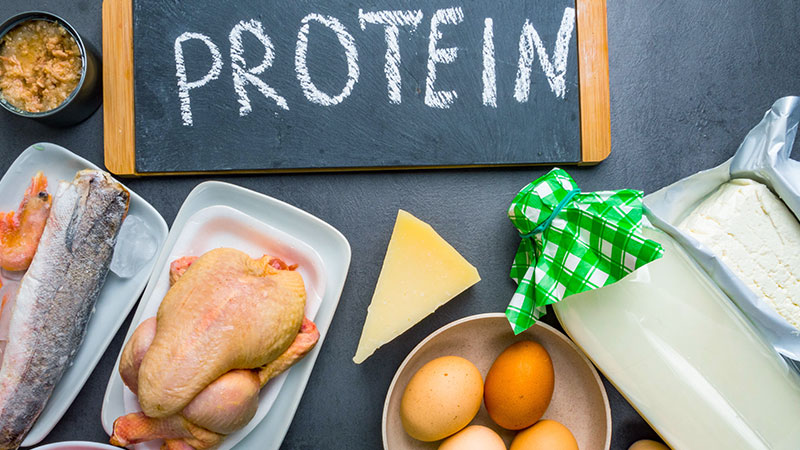
- Impact: Boosts metabolism, supports muscle retention, and promotes satiety.
- Sources: Lean meats (chicken, turkey), fish, legumes, dairy products (Greek yogurt, cottage cheese).
Understanding the health benefits of protein can help you make better dietary choices for weight management and muscle preservation.
2. Fiber
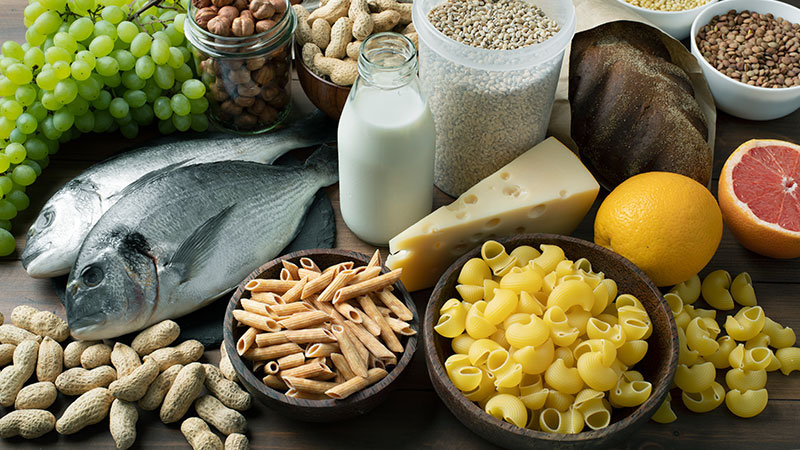
- Impact: Enhances digestion, maintains fullness, slows digestion, and helps control appetite.
- Sources: Vegetables, fruits, whole grains (brown rice, oats), legumes.
3. Healthy Fats

- Impact: Adds flavor and satisfaction to meals, provides essential fatty acids, and supports overall health.
- Sources: Avocados, nuts, seeds, olive oil.
4. Calorie Balance
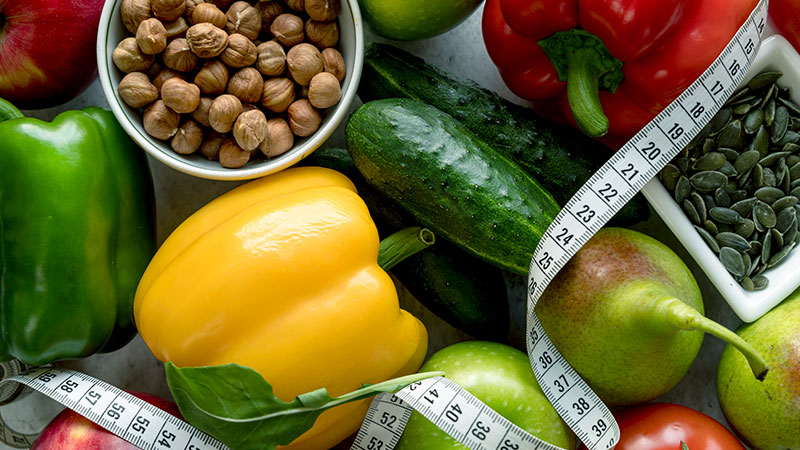
- Impact: Weight loss occurs when calorie intake is less than calorie expenditure, creating a deficit.
- Strategies: Monitor portion sizes, choose nutrient-dense, lower-calorie foods to achieve this balance.
5. Hydration

- Impact: Supports metabolism, helps manage hunger, and can reduce calorie intake when sugary drinks are replaced with water.
- Tip: Drink water throughout the day, and consider herbal teas for variety.
6. Balanced Eating

- Impact: Combining these elements—protein, fiber, healthy fats, and proper hydration—creates a sustainable and effective weight loss strategy.
- Approach: Focus on nutrient-dense foods that satisfy and nourish the body, making it easier to maintain a healthy eating pattern.
Best 10 Foods for Weight Loss
Choosing the right foods plays a crucial role in weight loss. Here are the best 10 foods that assist in losing weight effectively.
1. Lean Proteins

Lean proteins, like chicken breast, turkey, and fish, provide essential amino acids while being low in fat. They increase satiety and help maintain muscle mass during calorie restriction.
Consuming lean proteins boosts metabolism and reduces overall calorie intake. Pair them with fiber-rich vegetables such as broccoli, spinach, and kale to enhance nutrient intake and promote digestive health. Together, they form a balanced diet that supports sustainable weight loss.
2. Eggs and Egg Whites
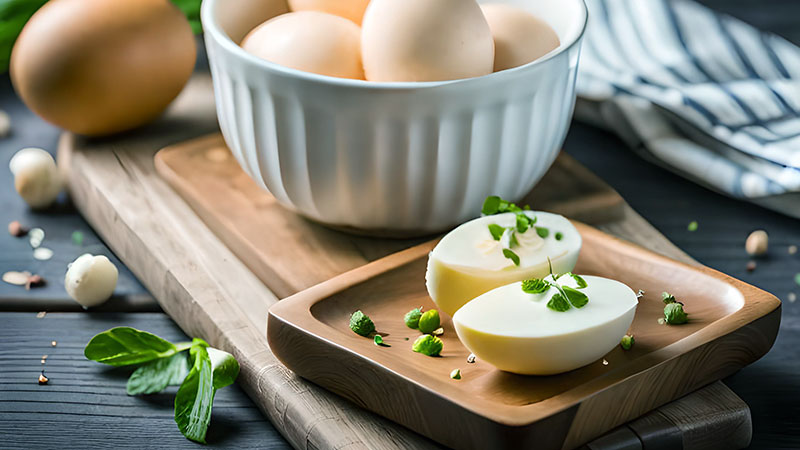
Eggs and egg whites offer high-quality protein and essential nutrients with minimal calories. Eggs, particularly egg whites, aid in keeping you full, reducing the likelihood of overeating.
Including eggs in breakfast can significantly improve weight management. Additionally, incorporating leafy greens like spinach and kale into your diet provides a low-calorie source of vitamins, minerals, and fiber, promoting satiety and aiding in weight loss.
3. Vegetables
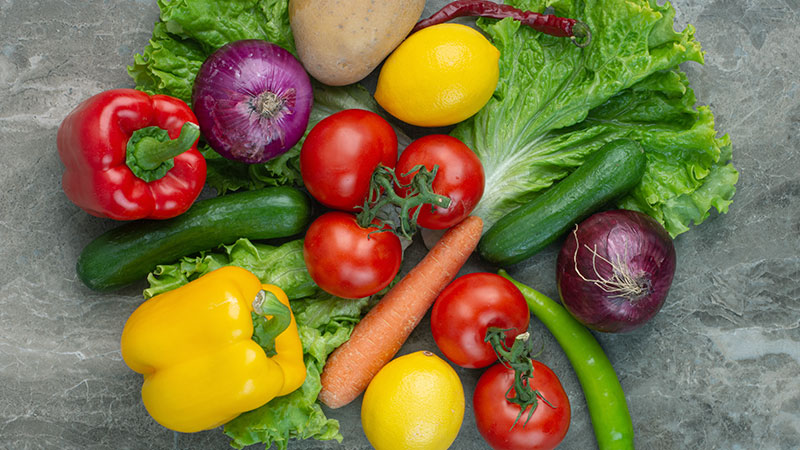
Vegetables like broccoli, spinach, and kale, are nutrient-dense and low in calories. They are rich in fiber, which promotes satiety and aids in digestion.
Incorporating a variety of vegetables ensures adequate intake of vitamins and minerals essential for overall health. For those looking to add more variety, French beans offer additional nutritional benefits including support for weight loss and diabetes management.
Other great options include lean proteins such as chicken, turkey, and fish, which help build muscle and boost metabolism. Additionally, whole grains like quinoa and brown rice provide sustained energy.
4. Fruits
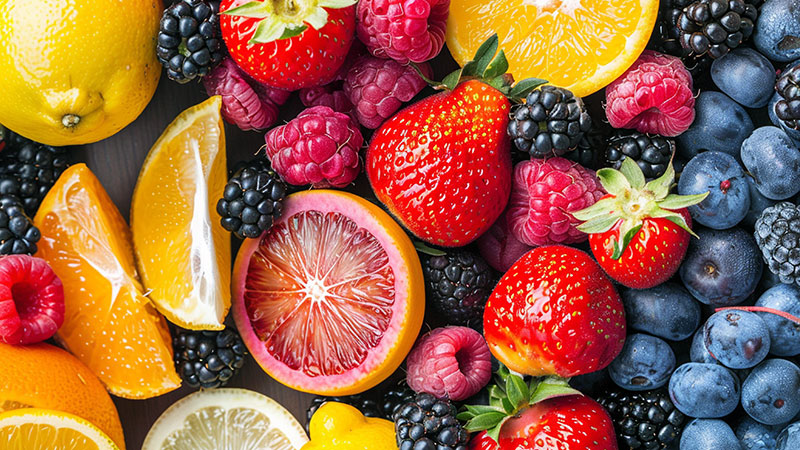
Fruits such as berries, apples, and oranges, offer vitamins, antioxidants, and fiber. Despite their natural sugar content, fruits have a low energy density, making them a perfect snack for weight loss. Fiber in fruits helps control appetite and regulate blood sugar levels.
Additionally, they can improve overall digestion and provide essential nutrients without adding excessive calories. Incorporating a variety of fruits into your diet can support your weight loss journey while keeping you energized.
5. Nuts and Seeds

Nuts and seeds such as almonds, walnuts, and chia seeds offer healthy fats, protein, and fiber. These nutrients enhance satiety and support heart health.
Despite being calorie-dense, moderate nut and seed consumption aids weight loss by reducing hunger.
Moreover, these nutrient-dense snacks can enhance metabolism and supply sustained energy throughout the day. Including them in your diet diversifies your nutrient intake and promotes overall well-being.
6. Legumes and Pulses
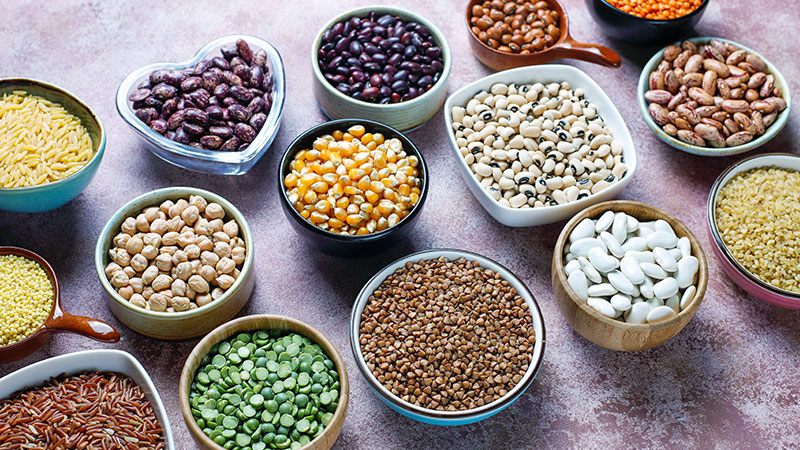
Legumes and pulses, such as lentils, chickpeas, and black beans, are superb sources of plant-based protein and fiber.
They support muscle mass maintenance, improve digestion, and decrease appetite. Regular intake of legumes aids in healthy weight management.
Adding these nutrient-dense foods to your diet helps stabilize blood sugar levels, which is essential for sustained energy throughout the day and avoiding unhealthy snacking.
7. Whole Grains

Whole grains such as quinoa, brown rice, and oats provide complex carbohydrates, fiber, and essential nutrients.
These complex carbs digest slowly, delivering sustained energy and aiding in hunger control. Replacing refined grains with whole grains is essential for supporting weight loss efforts.
Additionally, high-fiber foods like whole grains can help regulate blood sugar levels and promote a feeling of fullness, reducing overall calorie intake. Incorporate them into your daily diet for optimal results.
8. Fermented Foods

Fermented foods such as yogurt, kimchi, and sauerkraut, improve gut health and enhance digestion. They are rich in probiotics, which support a healthy gut microbiome, crucial for metabolism and weight management.
Incorporating fermented foods can improve overall digestion and nutrient absorption. Leafy greens, including spinach, kale, and Swiss chard, are low in calories yet high in essential nutrients like fiber, vitamins, and minerals. They help you feel full longer, reducing the urge to snack between meals.
9. Spices and Herbs

Spices and herbs like cayenne pepper, turmeric, and ginger, increase metabolism, reduce inflammation, and improve flavor without adding calories.
Capsaicin in spicy foods can boost calorie burn and fat oxidation. Using spices and herbs helps in creating flavorful, low-calorie meals.
Incorporating these spices into your diet can also enhance digestion and promote a sense of fullness, which aids in weight management. Additionally, their antioxidant properties contribute to overall health.
10. Low-Fat Dairy

Low-fat dairy products, including milk, yogurt, and cheese, offer protein, calcium, and other vital nutrients. These products support muscle maintenance and bone health.
Choosing low-fat options can be beneficial for weight loss by providing essential nutrients without excessive calories. Options like cottage cheese provide excellent nutrition for weight loss while supporting bone health, and feta cheese offers gut health benefits alongside its nutritional value.
Moreover, incorporating leafy greens like spinach and kale into your diet can enhance weight loss efforts. These nutrient-dense foods are low in calories and high in fiber, promoting satiety and aiding digestion.
Foods to Avoid for Effective Weight Loss
Certain foods inhibit weight loss efforts and make achieving goals more challenging.
Processed Foods
Processed foods contain high amounts of preservatives, sugars, and unhealthy fats. Items such as fast food, frozen meals, and packaged snacks often have low nutritional value.
These foods increase calorie intake without providing needed nutrients. Processed meats, for instance, usually have high sodium levels and added chemicals that can impact overall health.