Testosterone levels naturally decline as men age, typically dropping about 1% per year after age 30. By the time you hit 60, you might notice changes in energy, strength, mood, and body composition that can significantly impact your quality of life. But here’s something many older men don’t realize: you’re not powerless in this process. The right combination of exercise, nutrition, and lifestyle choices can help support healthy testosterone levels naturally.
This isn’t about trying to turn back the clock or chasing the hormone levels you had at 25. It’s about optimizing what your body can do right now and maintaining vitality through your 60s, 70s, and beyond. Taking care of your testosterone levels is part of a broader approach to maintaining your vitality and youthful appearance as you age.
Recognizing the Signs of Low Testosterone

Low testosterone doesn’t always announce itself dramatically. Many men attribute the symptoms to “just getting older” and never address the underlying issue.
Common signs include persistent fatigue that doesn’t improve with rest, difficulty building or maintaining muscle mass despite exercise, increased body fat (especially around the midsection), reduced libido, erectile dysfunction, mood changes like depression or irritability, and trouble concentrating or remembering things.
You might also notice weaker bones, decreased motivation, or loss of that competitive edge you once had. Sleep disturbances are another red flag, particularly if you’re experiencing more difficulty falling or staying asleep.
If several of these symptoms sound familiar, it’s worth getting your testosterone levels checked. A simple blood test can establish a baseline and help you and your doctor make informed decisions about treatment options.
How Strength Training Supports Testosterone Production
Resistance training is one of the most effective natural ways to support healthy testosterone levels. Studies consistently show that men who engage in regular strength training maintain higher testosterone levels than their sedentary peers.
The key is to focus on compound movements that engage multiple muscle groups. Exercises like squats, deadlifts, bench presses, rows, and overhead presses create the greatest hormonal response. These movements require significant effort and recruit large amounts of muscle tissue, which signals your body to produce more testosterone.
For men over 60, aim for 2-3 strength training sessions per week. Each session should include 3-5 compound exercises performed for 3-4 sets of 6-12 repetitions. The weight should be challenging but manageable with proper form. Don’t sacrifice technique for heavier weights, especially as joint health becomes more important with age.

Resistance Bands Set for Men
Great alternative for home workouts when you can’t access a gym or need joint-friendly options
Rest periods matter too. Taking 90-120 seconds between sets allows for better recovery and maintains the intensity needed to stimulate hormone production. Shorter rest periods might seem more efficient, but they can compromise the quality of your lifts.
The Role of High-Intensity Interval Training

HIIT workouts provide another powerful tool for supporting testosterone levels. These short bursts of intense activity followed by recovery periods create a different hormonal response than steady-state cardio.
Research shows that HIIT can boost testosterone while also improving cardiovascular health, insulin sensitivity, and body composition. The intensity is what matters, not the duration. A typical HIIT session might last only 15-20 minutes but deliver better results than 45 minutes of moderate jogging.
You can apply HIIT principles to almost any activity. Sprint intervals on a bike, rowing machine sprints, battle rope intervals, or even brisk walking intervals can work. The pattern is simple: push hard for 20-30 seconds, recover for 60-90 seconds, and repeat 6-10 times.
Start conservatively if you’re new to HIIT. The intensity should be relative to your current fitness level. What feels like an all-out effort for you is what counts, not comparing yourself to someone half your age.
Nutrition Strategies for Hormone Health
Exercise alone won’t optimize your testosterone levels if your nutrition is working against you. Several dietary factors directly influence hormone production.
Adequate protein intake is critical. Aim for 0.7-1.0 grams of protein per pound of body weight daily. Protein provides the building blocks for hormone production and supports muscle maintenance. Good sources include lean meats, fish, eggs, dairy, and plant-based options like legumes.
Healthy fats are equally important since testosterone is synthesized from cholesterol. Include sources like olive oil, avocados, nuts, seeds, and fatty fish in your diet regularly. Men who eat very low-fat diets often see their testosterone levels drop.
Zinc and vitamin D play specific roles in testosterone production. Zinc-rich foods include oysters, beef, pumpkin seeds, and chickpeas. For vitamin D, fatty fish, egg yolks, and fortified foods help, but many men over 60 benefit from supplementation since our bodies produce less vitamin D from sunlight as we age.
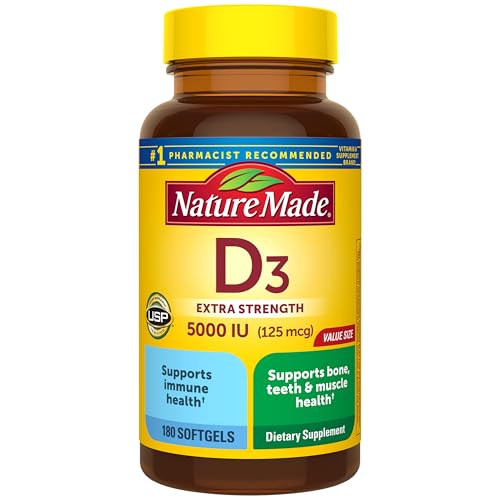
Vitamin D3 Supplement 5000 IU
Essential for men over 60 who may not get adequate sun exposure or dietary vitamin D
Don’t overlook the impact of excess body fat, particularly visceral fat around your organs. Fat tissue contains an enzyme called aromatase that converts testosterone to estrogen. Losing excess weight through proper nutrition and exercise can significantly improve your hormone profile.
Minimize alcohol consumption as well. Regular drinking suppresses testosterone production and increases estrogen levels. Occasional moderate drinking is probably fine, but daily or heavy consumption will undermine your efforts.
Lifestyle Factors That Affect Testosterone
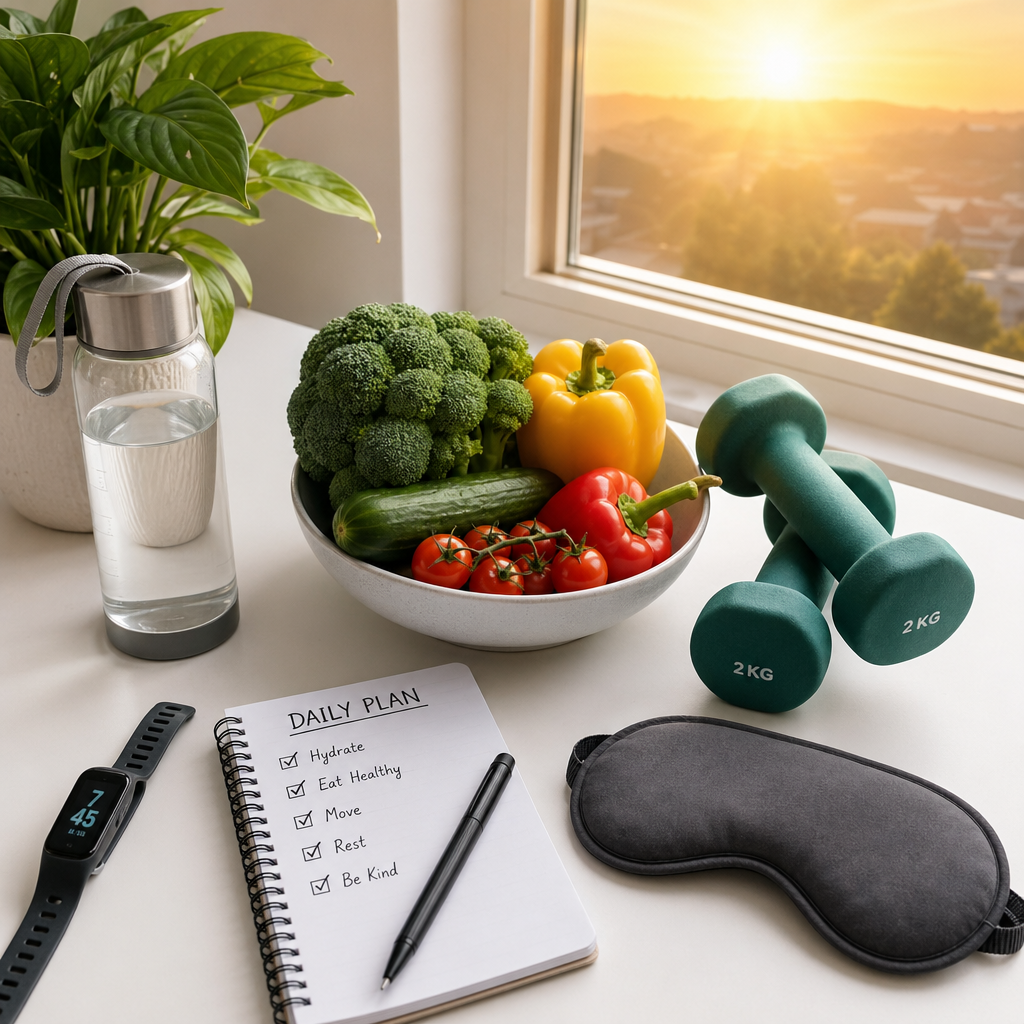
Beyond exercise and nutrition, several lifestyle choices influence your hormone levels substantially.
Sleep quality ranks near the top of the list. Most testosterone production occurs during deep sleep, and chronic sleep deprivation can cut your testosterone levels by 10-15%. Prioritize getting 7-8 hours of quality sleep each night. Keep your bedroom cool and dark, maintain a consistent sleep schedule, and limit screen time before bed.
Stress management matters more than most men realize. Chronic stress elevates cortisol, which directly suppresses testosterone production. The two hormones exist in an inverse relationship. Find stress-reduction techniques that work for you, whether that’s meditation, time in nature, hobbies you enjoy, or spending time with people you care about. Even simple habits like enjoying a calming cup of tea can help reduce daily stress levels.
Certain medications can also impact testosterone levels. Opioid pain medications, some antidepressants, and corticosteroids are common culprits. Don’t stop taking prescribed medications without consulting your doctor, but do have a conversation about potential effects on your hormone levels and whether alternatives exist.
When to Consider Medical Intervention
Natural approaches work well for many men, but sometimes medical intervention makes sense. Testosterone replacement therapy (TRT) can be life-changing for men with clinically low testosterone who haven’t responded adequately to lifestyle changes.
Get your levels tested if you’re experiencing multiple symptoms of low testosterone. The test should be done in the morning when testosterone levels peak, and ideally repeated to confirm the results. Normal ranges vary, but most labs consider anything below 300 ng/dL low, while optimal levels for older men typically fall between 400-600 ng/dL.
Discuss the results with your doctor along with your symptoms. Some men have “low normal” levels that still cause symptoms, while others feel fine with levels at the lower end of normal. Treatment should be based on both lab values and how you actually feel.
TRT comes in several forms including injections, gels, patches, and pellets. Each has pros and cons regarding convenience, consistency, and potential side effects. Your doctor can help determine if you’re a good candidate and which delivery method makes the most sense for your situation.
Be aware that TRT isn’t right for everyone. Men with prostate cancer, severe sleep apnea, uncontrolled heart failure, or very high red blood cell counts typically shouldn’t use testosterone replacement. Regular monitoring is essential if you do start TRT to watch for side effects and ensure your levels stay in a healthy range.
Frequently Asked Questions
How long does it take to see results from exercise and lifestyle changes?
Most men notice improvements in energy and mood within 3-4 weeks of consistent exercise and better nutrition. Measurable changes in testosterone levels typically take 8-12 weeks. Body composition changes like increased muscle mass and decreased fat take longer, usually becoming noticeable after 12-16 weeks of consistent effort. Be patient and focus on the process rather than expecting overnight transformations.
Can I take supplements to boost testosterone naturally?
Some supplements show promise for supporting healthy testosterone levels, particularly if you have deficiencies. Vitamin D, zinc, and magnesium are the most well-researched. Other supplements like D-aspartic acid, fenugreek, and ashwagandha have mixed evidence. Before taking any testosterone support supplements, get your levels tested to see if you actually need them. Supplements work best as additions to proper exercise and nutrition, not replacements for them.
Will losing weight help increase my testosterone?
Yes, significantly. Studies show that overweight and obese men who lose 5-10% of their body weight often see substantial increases in testosterone levels. The effect is particularly strong for men carrying excess belly fat. Weight loss through a combination of strength training, moderate calorie reduction, and improved food quality delivers the best results. Crash diets or excessive calorie restriction can actually lower testosterone, so aim for gradual, sustainable weight loss of 1-2 pounds per week.
This article contains affiliate links. We may earn a small commission at no extra cost to you.