Recovery from hip or knee replacement surgery is a journey that requires patience, commitment, and a clear understanding of what your body can handle at each stage. The first few weeks after surgery can feel overwhelming, but having a roadmap for returning to activity makes all the difference. Most patients can expect significant improvement within three to six months, though everyone’s timeline varies based on individual health, surgical technique, and adherence to rehabilitation protocols.
The key to successful recovery is progressing through each phase methodically without pushing too hard or holding back unnecessarily. You’ll work closely with your physical therapist to determine when you’re ready to advance, but understanding the typical progression helps you set realistic expectations and prepare your home environment properly.
Understanding Your Recovery Timeline
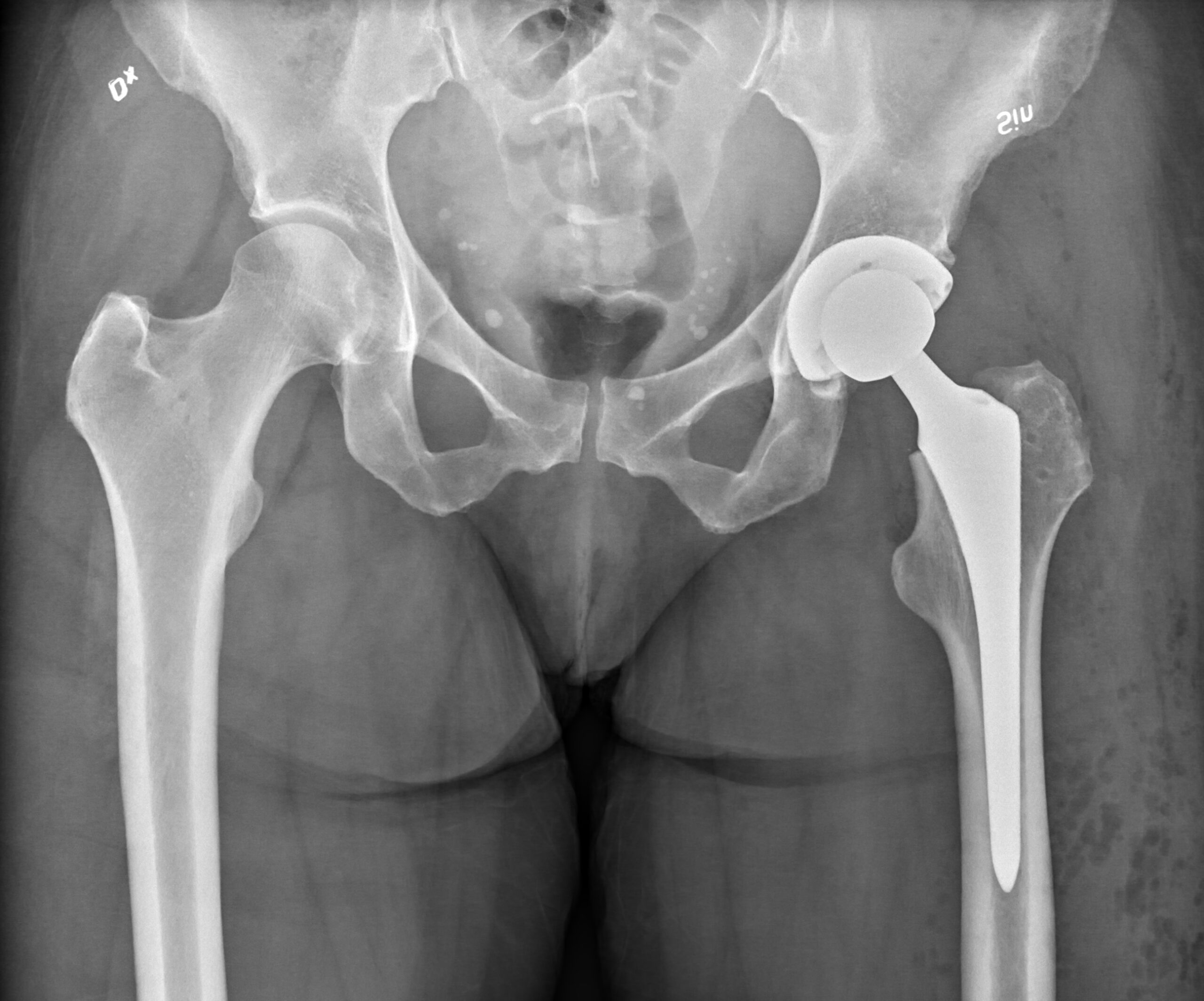
The first two weeks after surgery focus entirely on basic mobility and wound healing. You’ll likely stay in the hospital for one to three days, then transition home or to a rehabilitation facility. During this immediate post-operative period, your main goals are managing pain, preventing blood clots, and learning to walk with an assistive device.
Weeks two through six mark the early recovery phase where you’ll make the most noticeable progress. You’ll transition from a walker to a cane (if approved by your surgeon), increase your walking distance, and begin more targeted strengthening exercises. Most patients can drive again around four to six weeks post-surgery, assuming they’re off narcotic pain medication and have regained adequate leg control.
The intermediate phase spans weeks six through twelve. By this point, many people return to light daily activities and may even go back to work if their job isn’t physically demanding. You’ll continue physical therapy two to three times per week and perform home exercises daily.
Full recovery typically takes three to six months for knee replacements and six to twelve months for hip replacements. After the one-year mark, most patients have reached their maximum recovery potential and can enjoy nearly all activities they participated in before joint problems limited them. For a comprehensive guide with detailed exercises and recovery milestones, see our post-hip replacement exercise guide.
Phase One: The First Two Weeks
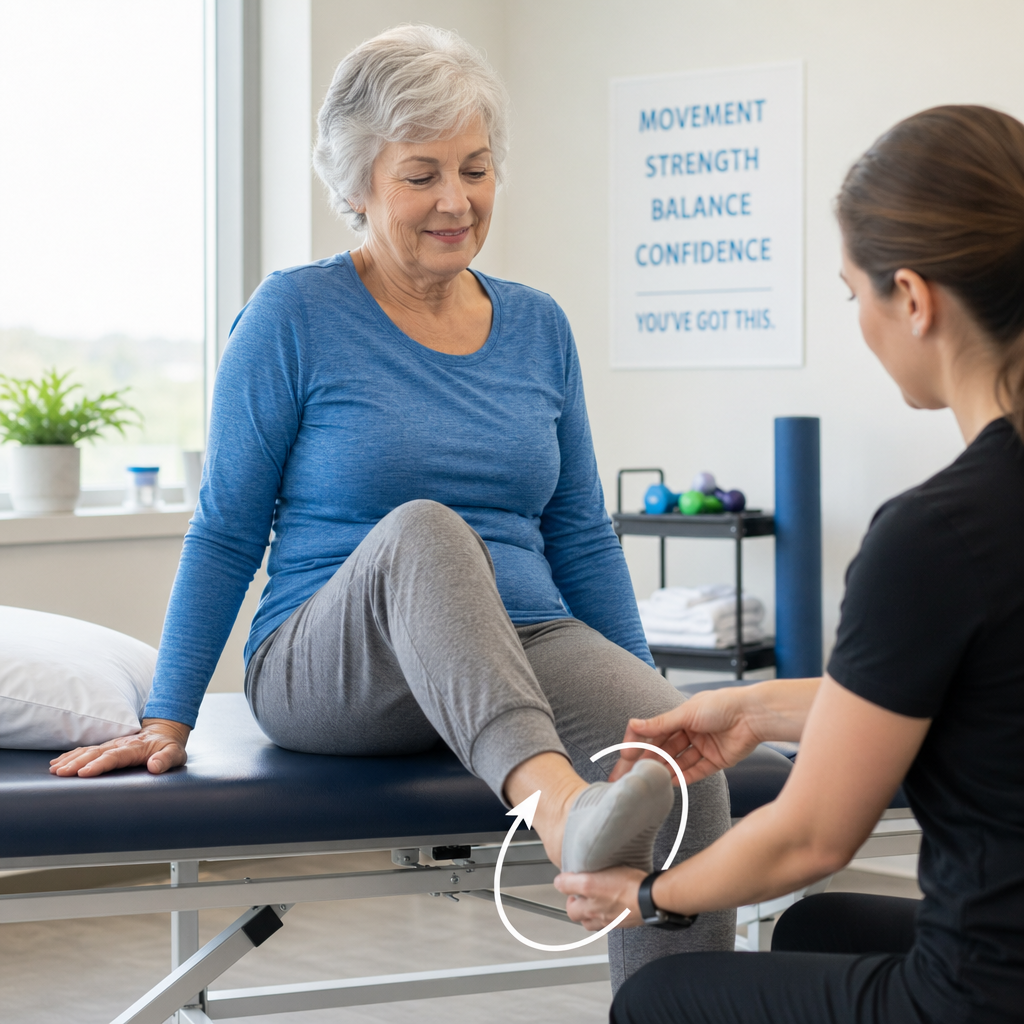
Your immediate post-operative exercises will feel extremely basic, but they’re critical for preventing complications. Ankle pumps, which involve flexing your foot up and down, help prevent blood clots. You’ll perform these throughout the day, aiming for 10 repetitions every hour while awake.
Quadriceps sets involve tightening the muscle on the front of your thigh by pressing the back of your knee down into the bed. Hold for five seconds, then relax. These maintain muscle tone and prevent the quad from shutting down completely after surgery.
Gluteal squeezes work similarly. Tighten your buttocks muscles, hold for five seconds, and release. You’ll also begin gentle knee or hip bending exercises within your prescribed range of motion limits.
Walking starts on day one or two after surgery. You’ll use a walker initially and need someone nearby for safety. Your physical therapist will specify weight-bearing restrictions, which vary based on your surgical approach and bone quality. Most modern hip and knee replacements allow full weight-bearing immediately, but confirm this with your surgeon.
Essential Equipment for Early Recovery
A raised toilet seat is non-negotiable after hip replacement and highly beneficial after knee surgery. It keeps your hip from bending past 90 degrees, which could cause dislocation in the early healing phase.

Reacher Grabber Tool
A 32-inch reacher prevents excessive bending and helps you maintain hip precautions while retrieving items from the floor.
You’ll also need a long-handled shoe horn and sock aid device to dress your lower body without violating hip precautions. A shower chair and handheld showerhead make bathing safer and easier during the first several weeks.
Phase Two: Weeks Two Through Six
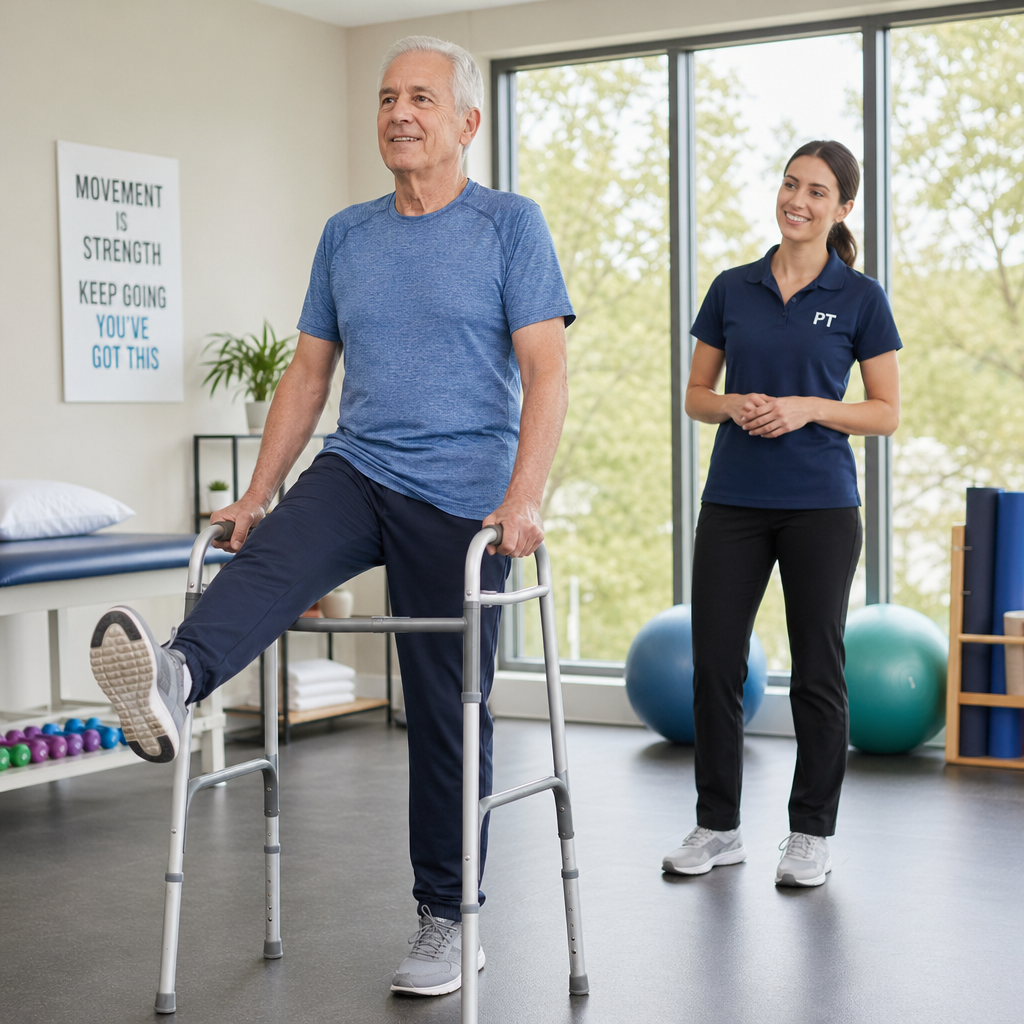
This phase introduces more challenging exercises that build strength and improve range of motion. Straight leg raises become a staple exercise. Lying on your back with one knee bent and the other straight, lift your straight leg to the height of your bent knee. Lower slowly and repeat for 10 repetitions, working up to three sets daily.
Standing hip abduction involves lifting your leg out to the side while holding onto a counter for balance. This strengthens the muscles that stabilize your hip and prevent limping. Perform 10 repetitions on each side.
Seated knee extensions work the quadriceps. Sit in a chair and straighten one knee fully, hold for three seconds, then lower. This exercise is particularly important after knee replacement.
You’ll gradually increase your walking distance during this phase. Start with short trips around your home, then progress to walking outside on flat surfaces. Many patients can walk a quarter mile by week six, though your pace will be slower than normal.

Resistance Bands Set
Physical therapy resistance bands add progressive difficulty to your strengthening exercises as you recover.
Hip precautions remain critical if you’ve had hip replacement surgery. Avoid bending your hip past 90 degrees, crossing your legs, and rotating your leg inward. These restrictions typically last six to twelve weeks, depending on your surgeon’s protocol and surgical approach.
Phase Three: Weeks Six Through Twelve
Your exercise routine becomes more functional during this period. Step-ups onto a low platform (four to six inches initially) build strength for climbing stairs. Step up with your surgical leg, then step down leading with your non-surgical leg. Start with five repetitions and gradually increase.
Mini squats teach your leg to handle more weight. Stand with feet shoulder-width apart, holding a counter for balance. Bend your knees slightly (about 30 degrees), hold for three seconds, then straighten. Work up to 15 repetitions.
Stationary cycling is usually approved around week six for knee replacements and week eight for hip replacements. Start with no resistance and short duration (five minutes), gradually building to 20-30 minutes. An exercise bike provides excellent low-impact cardiovascular exercise and improves knee range of motion.
Balance exercises become increasingly important. Standing on one leg (holding onto something initially) for 30 seconds helps restore proprioception. You can also try heel-to-toe walking along a straight line. Much like regaining movement after a stroke, recovery from joint replacement requires careful attention to balance and coordination as your body adapts to changes.
Returning to Advanced Activities
Most surgeons clear patients for swimming and water aerobics around eight to twelve weeks post-surgery. Water provides resistance for strengthening while supporting your body weight, making it ideal for joint replacement recovery.
Golf can typically resume around three to four months after surgery, starting with putting and chipping before progressing to full swings. Tennis and other higher-impact sports usually require clearance at four to six months.
Running and high-impact aerobics are controversial. Many surgeons discourage these activities long-term because they may accelerate implant wear. Low-impact alternatives like elliptical training, cycling, and swimming provide excellent fitness benefits with less joint stress.
Always get specific clearance from your surgeon before resuming any sport or recreational activity. Your individual recovery, bone quality, and implant type all factor into these decisions. As you return to exercise, monitoring your heart rate recovery after activity can provide valuable feedback about your cardiovascular fitness and overall recovery progress.
Red Flags and When to Contact Your Doctor
Certain symptoms require immediate medical attention. Sudden increased pain, especially if accompanied by warmth and redness around your incision, may indicate infection. Any chest pain, shortness of breath, or calf pain and swelling could signal a blood clot.
A feeling of instability or your joint “giving out” needs evaluation. After hip replacement, any popping sensation with sudden pain might indicate dislocation and requires emergency care.
Increased drainage from your incision beyond the first few days, fever above 101°F, or chills all warrant a call to your surgeon. Don’t adopt a “wait and see” approach with these symptoms. Some patients find that alternating heat and cold therapy helps manage post-surgical swelling and discomfort, and ice therapy benefits may support your recovery when used appropriately under medical guidance.
Frequently Asked Questions
How long will I need to use a walker or cane?
Most patients transition from a walker to a cane around two to four weeks after surgery. You’ll likely use the cane for another two to four weeks, though some people need it longer for confidence on uneven surfaces. Your physical therapist will assess your gait, balance, and leg strength to determine when you can safely discontinue assistive devices. Don’t rush this transition, as using support longer than minimally necessary is better than risking a fall.
Can I sleep on my side after hip or knee replacement?
After knee replacement, you can typically sleep in any comfortable position from day one. After hip replacement, you should sleep on your back or non-surgical side for the first six weeks, using a pillow between your knees to maintain proper alignment. Some surgeons using anterior surgical approaches allow earlier side-sleeping. A knee pillow specifically designed for surgery recovery helps maintain proper positioning throughout the night.
When can I return to work after joint replacement?
Desk jobs and work-from-home positions can often resume around four to six weeks post-surgery. Jobs requiring prolonged standing, walking, or lifting typically need eight to twelve weeks before return. Physically demanding occupations like construction or nursing may require three to four months. Discuss your specific job requirements with your surgeon, as returning too early can compromise your recovery and increase complication risks.
This article contains affiliate links. We may earn a small commission at no extra cost to you.