Finding the right fitness tracker shouldn’t feel like solving a puzzle. For seniors who want to monitor their health without wrestling with complicated technology, the market has finally caught up. The best fitness trackers for 2026 combine large, readable displays with features that actually matter for older adults, like fall detection and emergency alerts.
You don’t need to be a tech expert to benefit from tracking your steps, heart rate, and sleep patterns. The devices we’re looking at today prioritize simplicity and functionality over flashy features you’ll never use.
What Makes a Fitness Tracker Senior-Friendly
Display size matters more than you might think. If you’re squinting at tiny numbers, you won’t actually use the device. Look for screens at least 1.3 inches with high contrast and adjustable brightness.
Battery life separates good trackers from great ones. Charging every night gets old fast. The best options last 5-7 days on a single charge, and some even hit two weeks. Magnetic charging cables are easier to handle than tiny USB ports.
Fall detection has become standard on quality trackers, but the implementation varies wildly. Some devices just detect a fall, while others automatically contact emergency services or designated family members. This feature alone justifies upgrading from older models.
Top Picks for 2026
Apple Watch SE (2nd Generation)
The Apple Watch SE balances features with usability better than most competitors. The screen is bright and readable outdoors, and the fall detection actually works reliably. You can set up emergency SOS with a single button press.
Setup requires an iPhone, but once configured, daily use is surprisingly simple. The activity rings give you clear visual goals without overwhelming you with data. Heart rate monitoring runs continuously in the background.

Apple Watch SE 2nd Generation
Best overall choice for iPhone users who want reliable fall detection and emergency features
Fitbit Charge 6
The Fitbit Charge 6 offers a week-long battery life and works with both iPhone and Android phones. The display is easy to read, and the interface keeps things simple with just a few screens to swipe through.
Heart rate tracking on the Charge 6 matches chest strap accuracy in independent testing. Sleep tracking provides useful insights without requiring you to interpret complex graphs. The device is waterproof for swimming and showering.
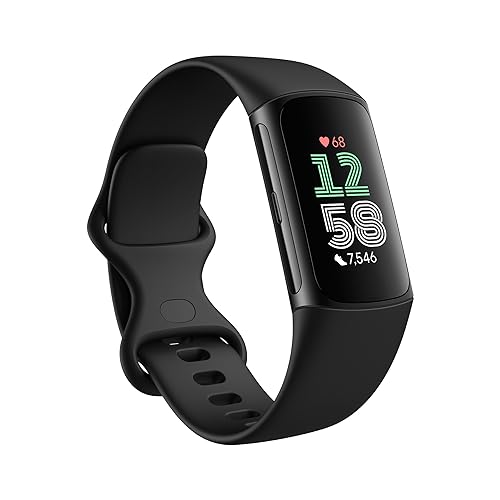
Fitbit Charge 6
Excellent battery life and works with any smartphone without complicated setup
Garmin Venu 3
For those who want premium features with an easy interface, the Garmin Venu 3 delivers. The AMOLED screen is the brightest on this list, and battery lasts up to 14 days. Built-in GPS means you can track walks at home or around the neighborhood without carrying your phone.
The wheelchair mode makes this one of the few trackers properly designed for users with mobility limitations. Voice calling works directly from the watch when paired with your phone.
Budget Option: Letsfit Fitness Tracker
Not everyone wants to spend hundreds on a fitness tracker. The Letsfit fitness tracker covers the basics with a large color display and straightforward button controls.
You’ll get heart rate monitoring, step counting, and sleep tracking. The five-day battery life is respectable, and the magnetic charging cable snaps on easily. Don’t expect advanced features like ECG or fall detection at this price point. If you’re planning to use your tracker during post-meal walks, these basic features are more than adequate for monitoring your progress.
Features You Can Skip
Many fitness trackers pack in features that sound impressive but add complexity without real benefit. Built-in music storage and payment systems are rarely used by seniors who just want health monitoring.
Smartphone notifications can quickly become overwhelming. Consider turning these off or limiting them to calls and texts from specific contacts. You’ll check the device more often when it’s not constantly buzzing.
Blood oxygen monitoring sounds important, but unless your doctor specifically recommends tracking it, the data isn’t particularly useful for most people. Focus on consistent heart rate tracking and step counts instead. A fitness tracker can also help you recognize patterns if you’re experiencing unusual fatigue during your regular activities.
Frequently Asked Questions
Do I need a smartphone to use a fitness tracker?
Most modern fitness trackers require a smartphone for initial setup and accessing detailed data. However, once configured, they track steps, heart rate, and other metrics independently. The Apple Watch and some Garmin models offer cellular versions that work without a phone nearby, but these cost more and require monthly service plans.
How accurate are fall detection features?
Fall detection accuracy has improved significantly in recent years. The Apple Watch and newer Garmin models correctly identify falls about 90% of the time in testing. However, they can occasionally trigger false alarms during activities like jumping or quick movements. You can usually cancel the alert within 30 seconds if it’s a false detection. For reliable emergency response, make sure you’ve set up emergency contacts and verified the feature works in your specific model. Some users find that tracking their heart rate variability alongside breathing exercises helps them stay calm if they do experience a fall or emergency situation.
Related Articles
- Indoor Walking Program: Safe Exercise for Seniors at Home
- After Eating Walking Workout for Seniors: Things to Do and Not to Do
- Chronic Fatigue in Active Seniors: Overtraining or Medical Issue?
- Breath and Movement Practices to Reduce Anxiety in Seniors
This article contains affiliate links. We may earn a small commission at no extra cost to you.