If you’re taking blood pressure medication and trying to stay active, you’ve probably noticed something odd during your workouts. Your heart rate doesn’t respond the way it used to, or you feel different during exercise than you did before starting medication. You’re not imagining things. Blood pressure medications, particularly beta-blockers, significantly change how your body responds to physical activity.
Understanding these changes isn’t just about curiosity. It’s about exercising safely and effectively while managing your blood pressure. The good news is that exercise remains one of the best things you can do for cardiovascular health, even while on medication. You just need to adjust your approach and know what to watch for.
How Blood Pressure Medications Affect Exercise Response

Beta-blockers are the most common culprits when it comes to altered exercise response. Medications like metoprolol, atenolol, and propranolol work by blocking the effects of adrenaline on your heart. This means your heart rate won’t increase as much during exercise as it would normally.
On beta-blockers, you might struggle to get your heart rate above 110-120 beats per minute, even during intense activity. This makes traditional heart rate-based training zones completely useless. You can’t use the standard 220-minus-your-age formula anymore because your maximum heart rate is artificially suppressed.
Other blood pressure medications affect exercise differently. ACE inhibitors and ARBs typically don’t impact heart rate much but can cause dizziness when changing positions quickly. Diuretics increase fluid loss, making dehydration more likely during workouts. Calcium channel blockers may cause some heart rate effects but usually less dramatic than beta-blockers. If you experience dizziness when standing up, it’s important to take extra precautions during exercise transitions.
Safe Exercise Parameters While on Medication
Forget about heart rate zones. Instead, rely on the Rate of Perceived Exertion (RPE) scale from 1 to 10. For moderate-intensity exercise, aim for a 5 or 6, where you can talk but not sing. For vigorous activity, target a 7 or 8, where speaking becomes difficult.
Start conservatively, especially if you’re new to exercise or just started medication. Begin with 10-15 minute sessions of light to moderate activity. Walking is ideal because you can easily adjust intensity and stop if needed.
Monitor your blood pressure regularly, especially in the first few weeks of a new exercise routine or medication change. Having a reliable home blood pressure monitor makes this much easier than constant trips to the pharmacy.

Omron Platinum Blood Pressure Monitor
This model offers excellent accuracy and stores multiple readings to track patterns over time.
Avoid exercises that involve sudden position changes until you know how your medication affects you. Exercises like burpees or quick transitions from lying to standing can trigger dizziness or lightheadedness, particularly with ACE inhibitors and diuretics. If you need a gentler starting point, chair-based cardio exercises can provide effective workouts while minimizing position changes.
Timing Your Workouts Around Medication

Most blood pressure medications reach peak effectiveness 1-4 hours after taking them. This is when side effects like dizziness or fatigue are most likely to occur. If you take medication once daily in the morning, you might feel best exercising in the late afternoon or evening after levels have stabilized.
Some people prefer morning workouts before taking their medication, when heart rate response is more normal. Talk to your doctor about this approach. It might work well if your blood pressure is well-controlled and doesn’t spike dramatically before your morning dose. Understanding which time of day works best for your exercise routine can help optimize your workouts around medication schedules.
Stay hydrated, especially if you’re on diuretics. Drink water before, during, and after exercise. A simple water bottle with time markers helps you track intake throughout the day.
If you’re on diuretics, you might need to adjust when you take them relative to exercise. Taking a diuretic right before a workout increases the chance you’ll need bathroom breaks mid-session. Morning dosing often works better if you exercise later in the day.
Warning Signs to Watch During Exercise
Stop exercising immediately if you experience chest pain, severe shortness of breath, or irregular heartbeat. These symptoms require immediate medical attention. Don’t try to push through or convince yourself it’s normal.
Dizziness or lightheadedness during exercise is common with blood pressure medication but shouldn’t be ignored. If it occurs, stop activity, sit down, and check your blood pressure if possible. Persistent dizziness or feeling faint means your blood pressure may be dropping too low.

Withings BPM Connect Blood Pressure Monitor
Compact design makes this perfect for keeping in your gym bag to check readings before and after workouts.
Unusual fatigue that’s different from normal exercise tiredness warrants attention. Beta-blockers can cause exercise fatigue, but extreme exhaustion isn’t normal. Your body might be telling you the medication dose needs adjustment or that you’re pushing too hard.
Swelling in your legs, ankles, or feet after exercise could indicate fluid retention issues. Some blood pressure medications affect fluid balance, and exercise can sometimes make this more noticeable.
Adjusting Exercise Intensity Properly
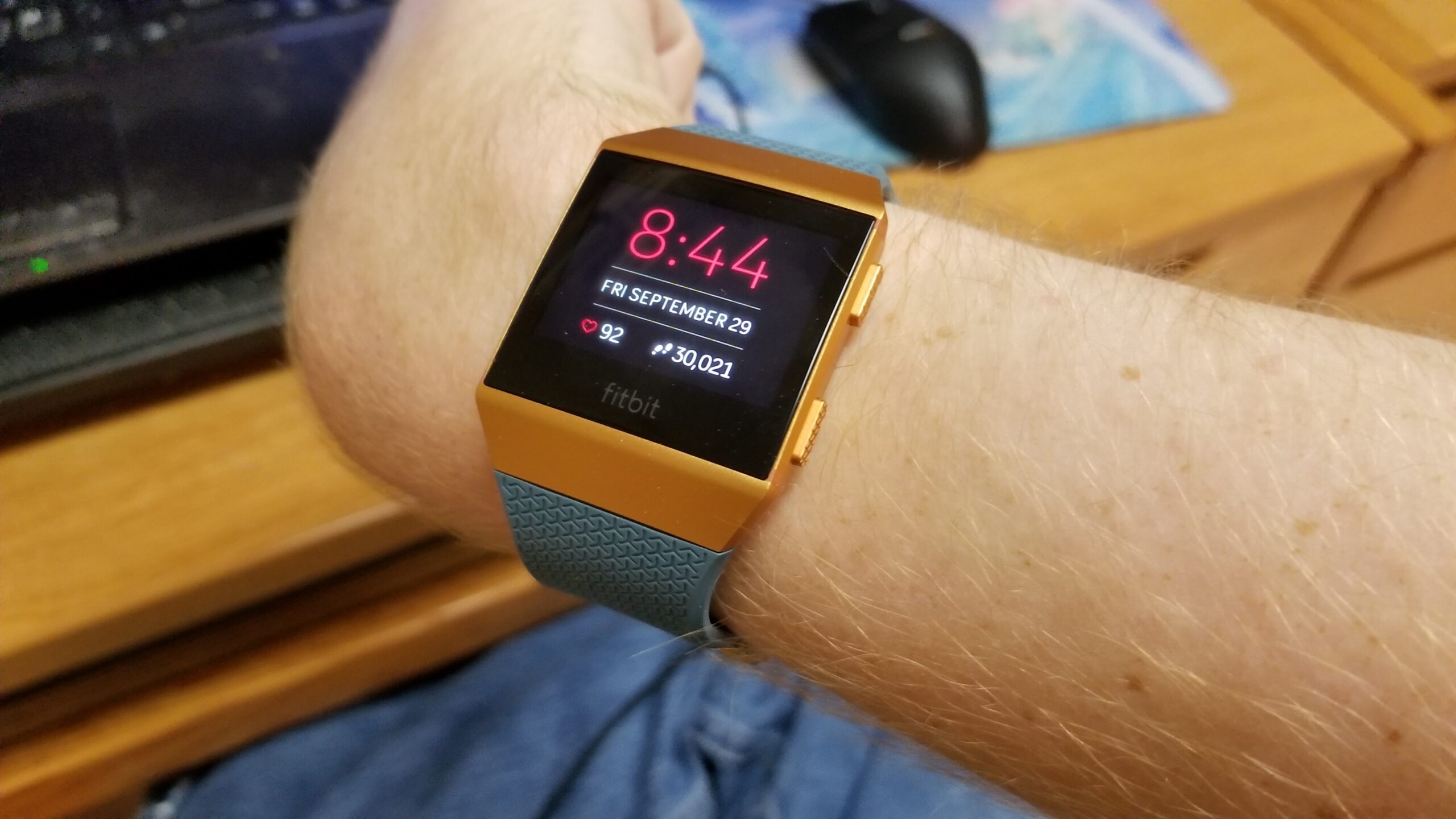
The talk test is your best friend when on blood pressure medication. During moderate exercise, you should be able to speak in complete sentences but not sing. During vigorous exercise, you can only say a few words before needing to catch your breath.
Track your perceived exertion and how you feel after workouts. Keep a simple log noting your RPE, any symptoms, and how you felt for several hours post-exercise. This helps you and your doctor identify patterns and make necessary adjustments.
Progressive overload still applies, but you’ll measure it differently. Instead of tracking heart rate increases, focus on being able to walk farther, lift more weight, or exercise longer at the same perceived exertion level. These are better indicators of fitness improvement when heart rate is blunted.
Consider working with a physical therapist or exercise physiologist familiar with cardiac patients. They can design a program that accounts for your specific medications and health status. Many insurance plans cover these services when prescribed by your doctor. Implementing comprehensive heart-healthy habits alongside your exercise routine can further support your cardiovascular health.
Frequently Asked Questions
Can I do high-intensity interval training on beta-blockers?
Yes, but you need to redefine what high-intensity means for you. Your heart rate won’t spike like it would without medication, so use perceived exertion instead. Aim for intervals where speaking becomes very difficult, alternated with recovery periods. Start with shorter intervals (20-30 seconds) and longer recovery times (1-2 minutes) until you understand your body’s response. Always get your doctor’s approval before starting any high-intensity program.
Should I take my blood pressure before every workout?
When starting a new exercise routine or medication, checking before and after each workout makes sense for the first few weeks. Once you establish a pattern and know how your body responds, you can reduce frequency to a few times weekly. Always check if you feel dizzy, unusually fatigued, or notice any concerning symptoms. Keep a blood pressure log book to share with your doctor at checkups.
Will I lose fitness gains because my heart rate stays low?
No. Your cardiovascular system still adapts and improves with regular exercise, even with a blunted heart rate response. Studies show people on beta-blockers achieve similar fitness improvements as those not on medication, though the adaptations happen through different mechanisms. Focus on consistency and gradual progression in duration and intensity based on perceived exertion rather than heart rate numbers.
This article contains affiliate links. We may earn a small commission at no extra cost to you.
Related Articles
- Managing Dizziness When Standing Up Before Exercise
- Best Time to Exercise After 60: Morning, Afternoon, or Evening?
- Chair Cardio for Seniors Over 70: 4-Week Beginner Program
- 8 Essential Heart-Healthy Habits for Seniors: A Comprehensive Guide