Knee replacement surgery can feel overwhelming, but the recovery process doesn’t have to be. Your success depends heavily on following a structured exercise program that rebuilds strength, restores mobility, and gets you back to the activities you love. The key is knowing which exercises to do at each phase and understanding realistic timelines for your recovery.
Most seniors see significant improvement within three to six months, but the journey starts the day after surgery. Let’s break down exactly what you should be doing at each stage of recovery.
Phase 1: Immediate Post-Op (Days 1-14)
You’ll start exercises within 24 hours of surgery, which might surprise you. This early movement prevents blood clots and reduces stiffness. Your physical therapist will guide you through ankle pumps, quad sets, and gentle knee bending exercises right in your hospital bed.
Ankle pumps are simple but critical. Point your toes up toward your nose, then push them down like you’re pressing a gas pedal. Repeat this 10 times every hour while awake. This keeps blood flowing and prevents dangerous clots.
Quad sets involve tightening the muscle on top of your thigh while keeping your leg straight. Hold for five seconds, then relax. Do 10 repetitions every hour. You should see your kneecap move slightly upward when done correctly.
You’ll also work with a continuous passive motion (CPM) machine in many cases. This device slowly bends and straightens your knee while you rest, helping restore range of motion without requiring effort from you.

Bed Wedge Pillow for Leg Elevation
Essential for reducing swelling and improving comfort during the first weeks of recovery
Phase 2: Early Recovery (Weeks 2-6)
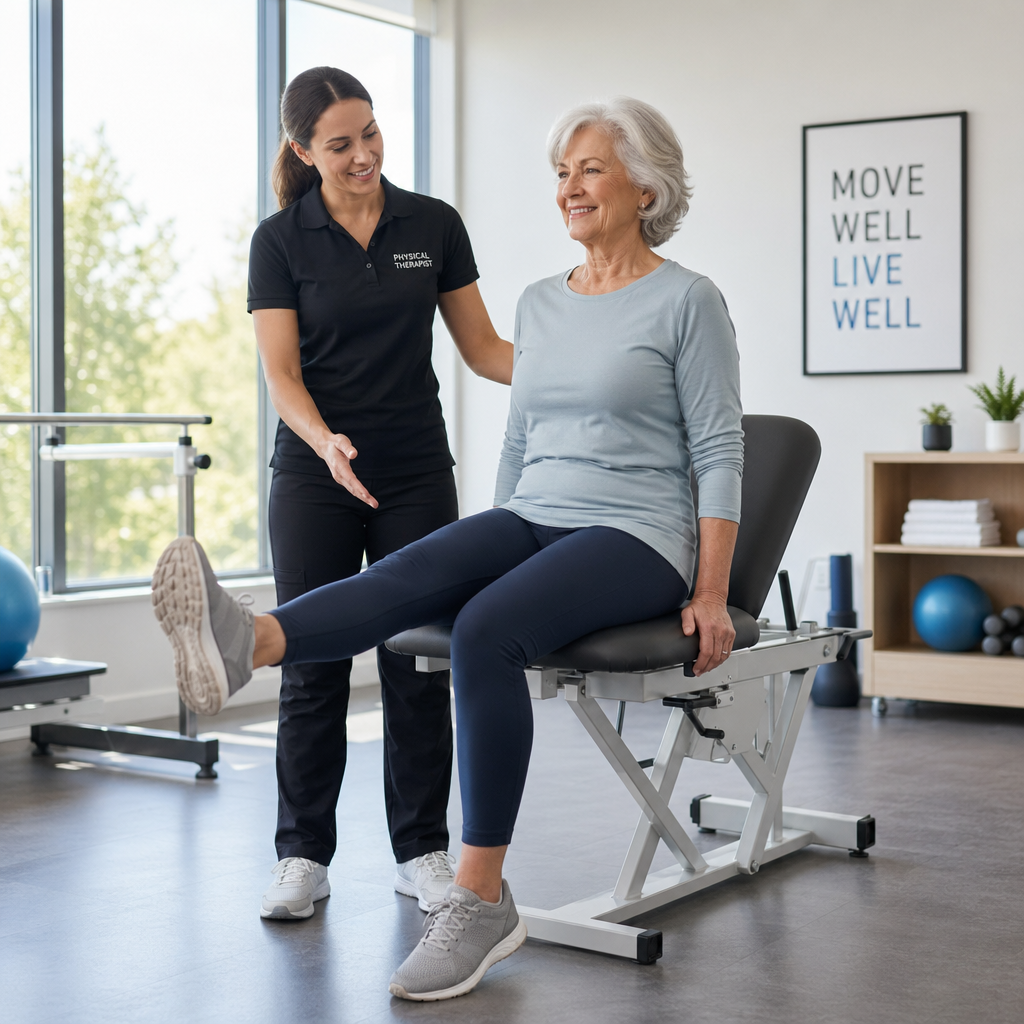
By week two, you’ll graduate to more active exercises. Your goals are increasing your knee bend to 90 degrees and building enough strength to walk with minimal assistance. Most people transition from a walker to a cane during this phase.
Seated knee bends become your primary exercise. Sit in a sturdy chair with your feet flat on the floor. Slowly slide your operated foot backward, bending your knee as far as comfortable. Hold for five seconds, then slide it back to starting position. Aim for 10 repetitions, three times daily.
Straight leg raises help rebuild quad strength. Lie on your back with your non-operated leg bent and foot flat. Keep your operated leg straight and lift it about six inches off the bed. Hold for five seconds, lower slowly, and repeat 10 times. This exercise is tougher than it looks.
Standing heel raises strengthen your calves and improve balance. Hold onto a counter for support, rise up on your toes, hold for three seconds, then lower slowly. Start with 10 repetitions twice daily.
Using resistance bands adds extra challenge as you progress. Loop a band around your ankle and practice gentle leg extensions while seated. If you’re recovering from multiple joint issues, these same principles apply to managing hip pain through gentle movement.
Phase 3: Strengthening and Independence (Weeks 6-12)
You should have 110 to 120 degrees of knee flexion by this phase. Your focus shifts to building endurance and confidence for everyday activities like climbing stairs, getting in and out of cars, and walking longer distances.
Mini squats against a wall are excellent for functional strength. Stand with your back against a wall and feet shoulder-width apart. Slide down about six inches, hold for five seconds, then slide back up. Work up to three sets of 10 repetitions.
Step-ups prepare you for real stairs. Use a low step (four to six inches) and step up with your operated leg, then step down slowly. This controlled movement builds strength and coordination. Start with five repetitions and gradually increase.
Stationary cycling is one of the best exercises for this phase. A recumbent bike provides support while you pedal, improving range of motion and cardiovascular fitness. Begin with five minutes daily and add one minute each week.

Adjustable Walking Cane with LED Light
Provides stability and confidence during recovery while the LED light improves safety during evening walks
Exercises to Avoid
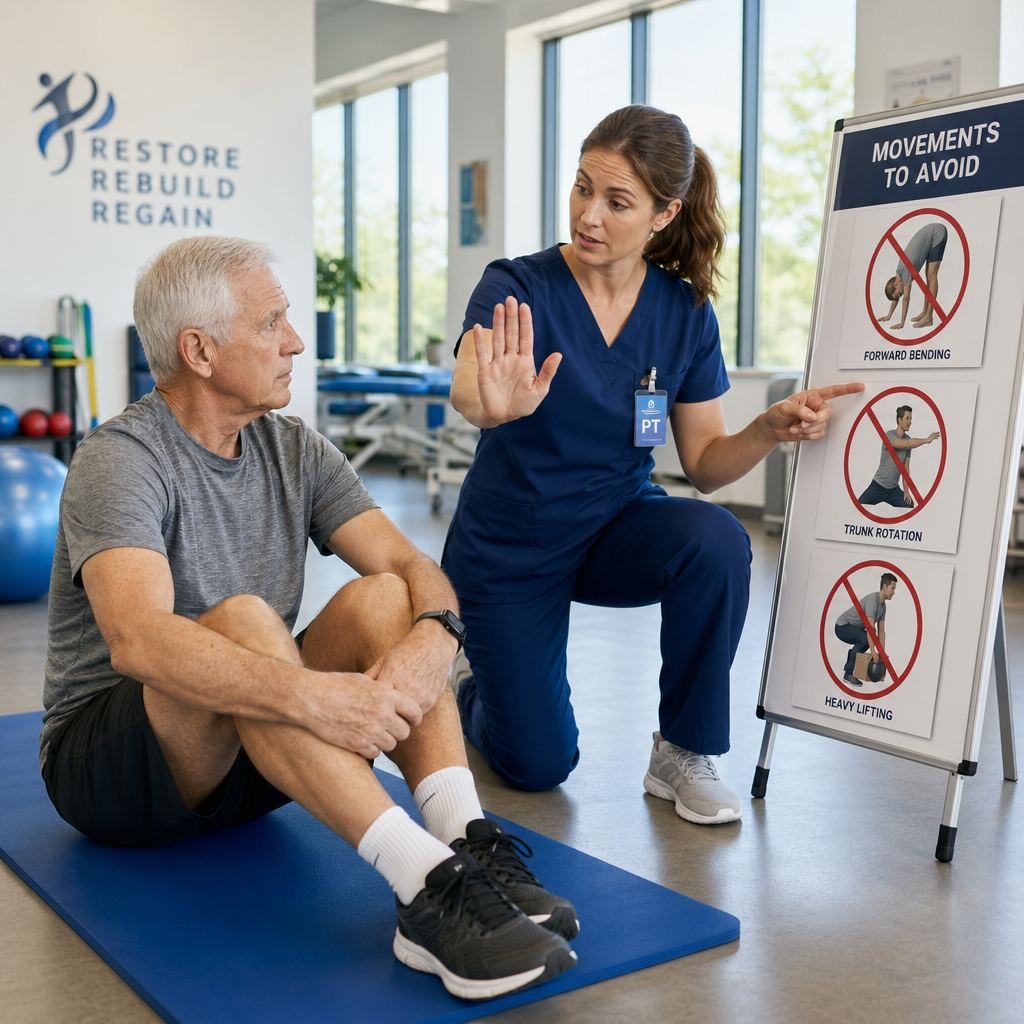
Some movements can damage your new joint or slow recovery. Avoid deep squats, kneeling, and high-impact activities like running or jumping for at least six months. Your surgeon may clear you for these activities later, but don’t rush it.
Skip exercises that twist your knee or involve sudden pivoting movements. This includes most racquet sports and basketball during early recovery. Swimming and water aerobics are better choices once your incision heals completely. If you’re looking for low-impact movement options that accommodate limited mobility, yoga adapted for seniors with flexibility limitations can be an excellent complement to your recovery program.
Never push through sharp pain. Mild discomfort during exercises is normal, but stabbing or severe pain signals a problem. Stop the exercise and contact your doctor.
When to Contact Your Doctor

Call your surgeon immediately if you experience increased redness, warmth, or drainage from your incision. These symptoms could indicate infection, which requires prompt treatment.
Contact your doctor if your pain suddenly worsens or if you develop chest pain and shortness of breath. The latter could signal a blood clot that’s traveled to your lungs, which is a medical emergency.
Reach out if you can’t achieve the expected range of motion milestones. By week six, you should have at least 90 degrees of flexion. Falling short might mean you need additional physical therapy or other interventions.
Frequently Asked Questions
How long until I can drive after knee replacement?
Most people can drive four to six weeks after surgery, but only if it’s your left knee and you drive an automatic. For right knee replacements, you’ll need to wait until you can brake quickly without hesitation, typically six to eight weeks. Always get your surgeon’s clearance before driving.
Can I overdo exercises and hurt my recovery?
Yes, overdoing it can increase swelling and pain, which actually slows your progress. Follow your physical therapist’s recommended repetitions and frequency. More isn’t always better. Your body needs rest periods between sessions to heal and adapt. Listen to your body and take rest days when you feel unusually tired or sore.
This article contains affiliate links. We may earn a small commission at no extra cost to you.
Related Articles