After 70, your body faces a natural challenge called sarcopenia. This age-related muscle loss can accelerate quickly if you don’t actively work against it. You might notice everyday tasks becoming harder, balance issues cropping up, or simply feeling weaker than you did a few years ago.
The encouraging news is that you can maintain and even build muscle mass well into your 70s and beyond. It takes the right combination of resistance training and protein intake, along with realistic expectations about what your body can achieve. Let’s break down exactly how to do it.
Why Protein Needs Increase After 70
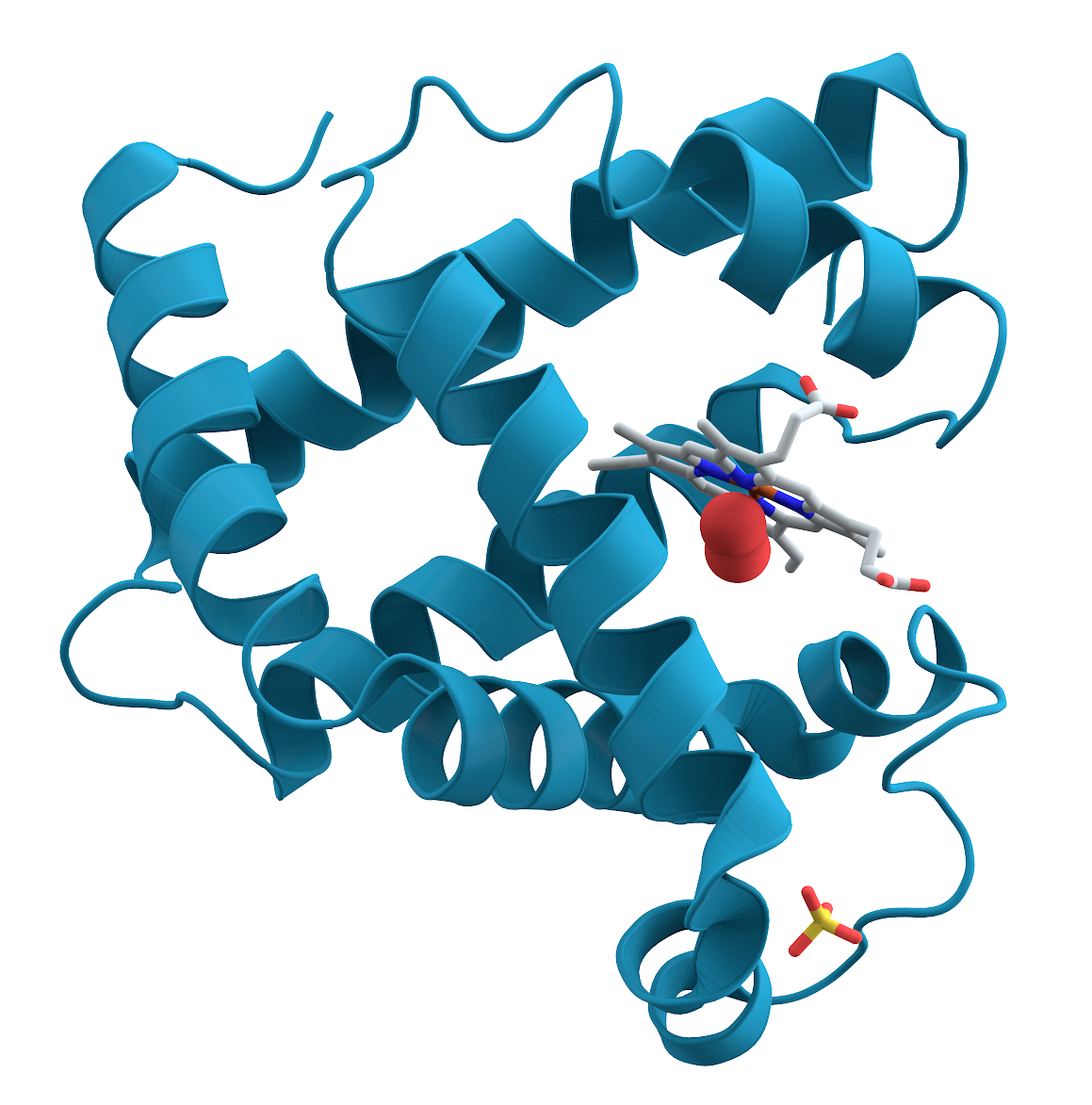
Your body becomes less efficient at using protein as you age. While younger adults might thrive on 0.8 grams of protein per kilogram of body weight, you need significantly more. Research suggests aiming for 1.0 to 1.2 grams per kilogram, or about 25-30 grams of high-quality protein per meal.
This isn’t just about total daily protein. Timing matters too. Your muscles respond best when you spread protein intake evenly across three meals rather than loading up at dinner. Each meal should include a solid protein source like eggs, Greek yogurt, chicken, fish, or a quality protein supplement.
Whey protein isolate stands out as particularly effective for older adults because it’s quickly absorbed and rich in leucine, the amino acid that triggers muscle protein synthesis. A scoop mixed into your morning routine or post-exercise can help you hit those higher protein targets without forcing yourself to eat enormous portions. The amino acid glycine also supports muscle health and can be beneficial for overall recovery.
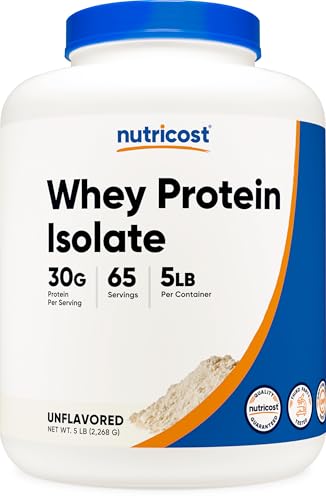
Whey Protein Isolate for Seniors
Look for unflavored options that mix easily into coffee, oatmeal, or smoothies for versatile daily use
The Right Resistance Training Approach
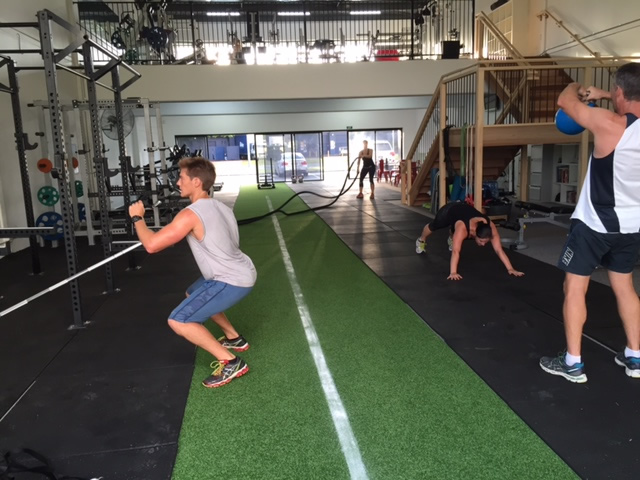
Resistance training becomes non-negotiable after 70. You need to challenge your muscles with progressive resistance at least twice per week, though three times is better if your recovery allows it.
Start with bodyweight exercises and resistance bands if you’re new to strength training. Chair squats, wall pushups, and seated rows with bands build a solid foundation. Focus on proper form over heavy weights initially.
Once you’ve established consistent form, gradually increase resistance. You can use adjustable dumbbells, resistance bands with different tension levels, or machines at a gym. The key exercises to prioritize include:
- Squats or leg presses for lower body strength and fall prevention
- Chest presses for upper body pushing strength
- Rows for back and posture support
- Overhead presses for shoulder stability
- Bicep curls and tricep extensions for arm function
Aim for 8-12 repetitions per set. When you can comfortably complete 12 reps with good form, it’s time to increase the resistance slightly. Recovery takes longer at 70-plus, so give yourself at least 48 hours between training the same muscle groups. For those seeking more adventurous activities, rock climbing offers full-body resistance training along with cognitive and balance benefits.

Resistance Bands Set for Seniors
Choose sets with multiple resistance levels and door anchors for versatile home workouts
Realistic Expectations and Progress Tracking
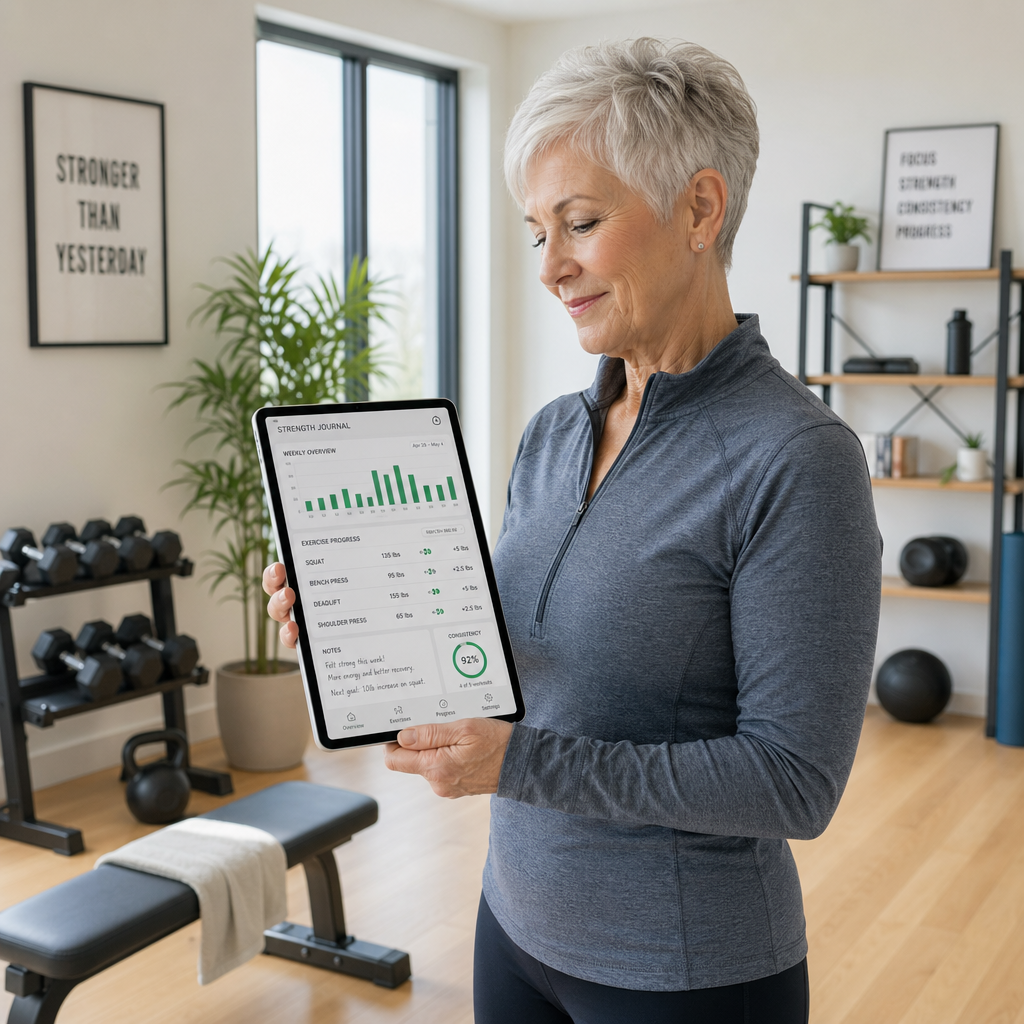
You won’t build muscle at the same rate as a 30-year-old, but you absolutely can make meaningful gains. Studies show that adults in their 70s and 80s can increase muscle mass by 10-15% over several months with proper training and nutrition.
Track your progress through functional measures, not just the mirror. Can you get up from a chair more easily? Carry groceries with less strain? Maintain better balance? These real-world improvements matter more than aesthetics.
Consider adding creatine monohydrate to your routine after consulting your doctor. This well-researched supplement supports muscle strength and cognitive function in older adults, typically at a dose of 3-5 grams daily.
Sleep and recovery deserve equal attention to training and nutrition. Your muscles rebuild during rest, not during workouts. Aim for 7-8 hours of quality sleep and don’t push through persistent pain or excessive fatigue. Proper hydration is equally important, and choosing the right electrolyte drinks can support both workout performance and recovery. Essential minerals like magnesium play a crucial role in muscle function and energy production.
Frequently Asked Questions
How quickly can I expect to see results from resistance training?
You’ll typically notice functional improvements within 4-6 weeks. Increased strength comes first, followed by visible muscle changes around 8-12 weeks. Consistency matters more than intensity at this stage. Keep showing up, progressively challenge yourself, and trust the process even when progress feels slow.
Is plant-based protein as effective as animal protein for older adults?
Plant proteins can work, but they’re generally less effective gram-for-gram because they contain lower leucine levels and aren’t absorbed as completely. If you prefer plant-based sources, increase your total protein intake to 1.2-1.4 grams per kilogram of body weight and consider a pea protein isolate supplement, which has a better amino acid profile than most plant proteins.
Related Articles
- Best Electrolyte Drinks For Seniors
- 8 Health Benefits of Magnesium Oxide: Boost Energy, Bone Health & More
- 9 Health Benefits of Glycine for Gut, Brain, and Muscle Health
- Reach for Wellness: 12 Health Benefits of Rock Climbing
This article contains affiliate links. We may earn a small commission at no extra cost to you.