Keeping your heart healthy doesn’t mean you need to run marathons or spend hours at the gym. For seniors, the right kind of cardiovascular exercise can strengthen your heart, improve circulation, and boost energy levels without putting unnecessary stress on your joints. The key is finding low-impact activities that get your heart pumping at a safe, effective pace.
Let’s look at the best cardio options for older adults, how to monitor your intensity, and simple ways to build a sustainable routine that protects your heart health for years to come.
Understanding Your Target Heart Rate Zone
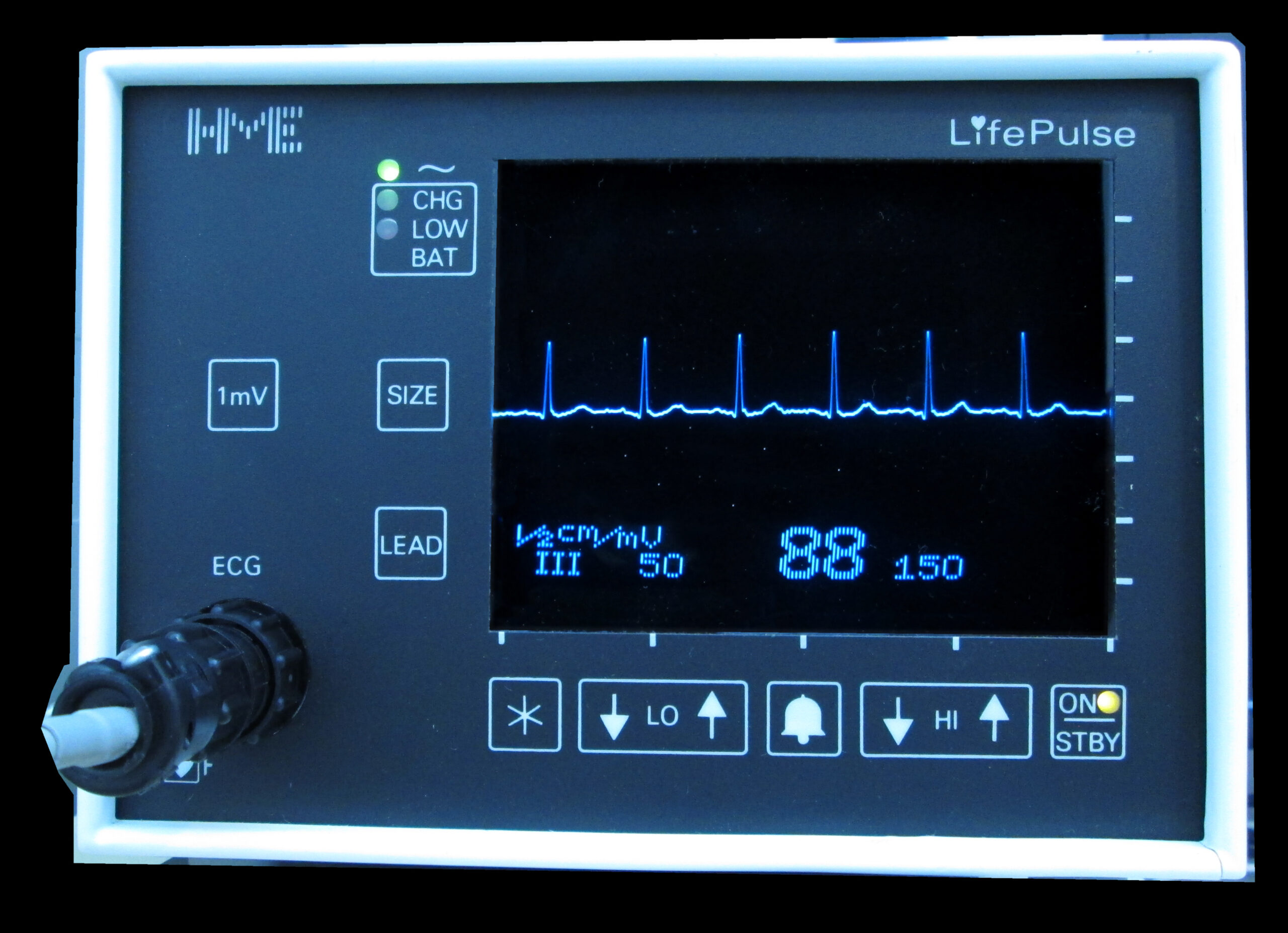
Before you start any cardio routine, you need to know your target heart rate zone. This range tells you how hard your heart should be working during exercise. The basic formula is simple: subtract your age from 220 to get your maximum heart rate, then aim for 50-70% of that number for moderate activity.
For a 70-year-old, that means a maximum heart rate of 150 beats per minute and a target zone of 75-105 bpm during exercise. You can check your pulse manually at your wrist or neck, or use a fitness tracker with heart rate monitoring for easier tracking.
A simpler method is the talk test. During moderate cardio, you should be able to hold a conversation but not sing comfortably. If you can barely speak, you’re working too hard and need to dial it back.
Top Low-Impact Cardio Options
Brisk Walking
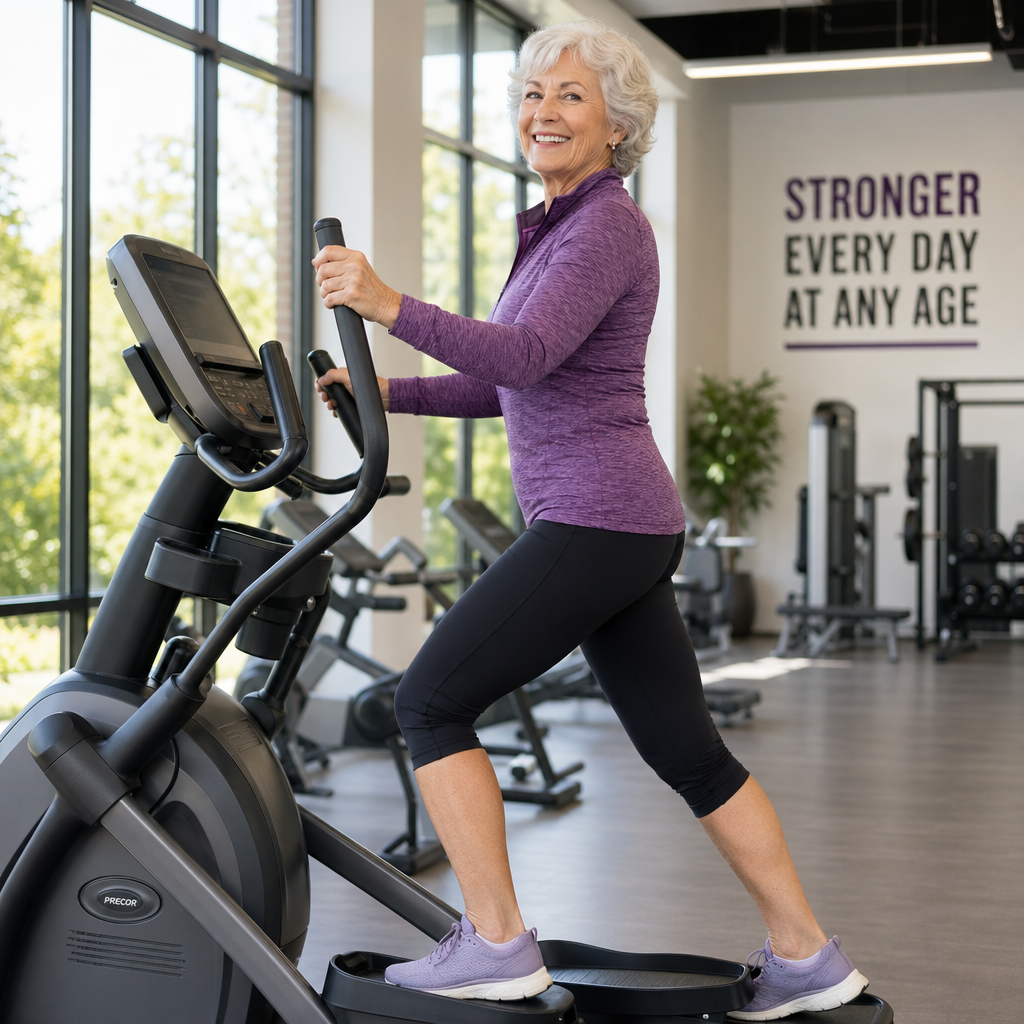
Walking remains the most accessible form of cardio for seniors. You don’t need equipment, a gym membership, or special skills. Start with 10-15 minutes at a comfortable pace, then gradually increase to 30 minutes most days of the week.
Focus on good posture with your shoulders back and arms swinging naturally. Pick routes with even surfaces to reduce fall risk, and consider a pair of supportive walking shoes with proper arch support and cushioning.
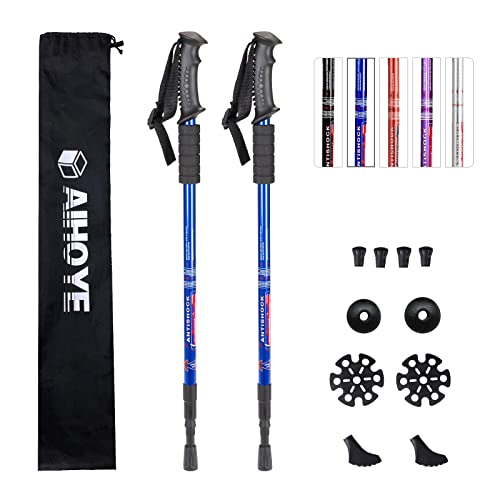
Walking Poles for Seniors
These add stability and turn your walk into a full-body workout by engaging your upper body.
Stationary Cycling
Cycling gives you an excellent cardio workout while your body weight is fully supported. A recumbent bike offers back support and a comfortable seated position that reduces strain on your lower back and hips.
Begin with 5-10 minutes at low resistance and work up from there. Most bikes display your heart rate, making it easy to stay in your target zone. Adjust the seat so your leg has a slight bend at the bottom of each pedal stroke.
Swimming and Water Aerobics
Water exercise is perfect if you have joint pain or arthritis. The buoyancy supports your body weight while the water provides gentle resistance. Swimming laps works your entire cardiovascular system, while water aerobics classes add a social element and structured guidance.
Many community centers and YMCAs offer senior-specific water aerobics classes with instructors trained to modify movements for different ability levels. The warm water also helps loosen stiff joints before you exercise.
Seated Pedal Exercisers
For days when leaving home isn’t possible or if mobility is limited, a seated pedal exerciser lets you get cardio from your favorite chair. These compact devices fit under a desk or in front of your couch, making it easy to exercise while watching TV or reading.

Under Desk Pedal Exerciser
Look for models with adjustable resistance and a display that tracks your time, distance, and calories burned.
Start with 5-10 minutes and gradually increase. Some models also work for your arms, giving you upper body cardio options too.
Warming Up and Building Your Routine
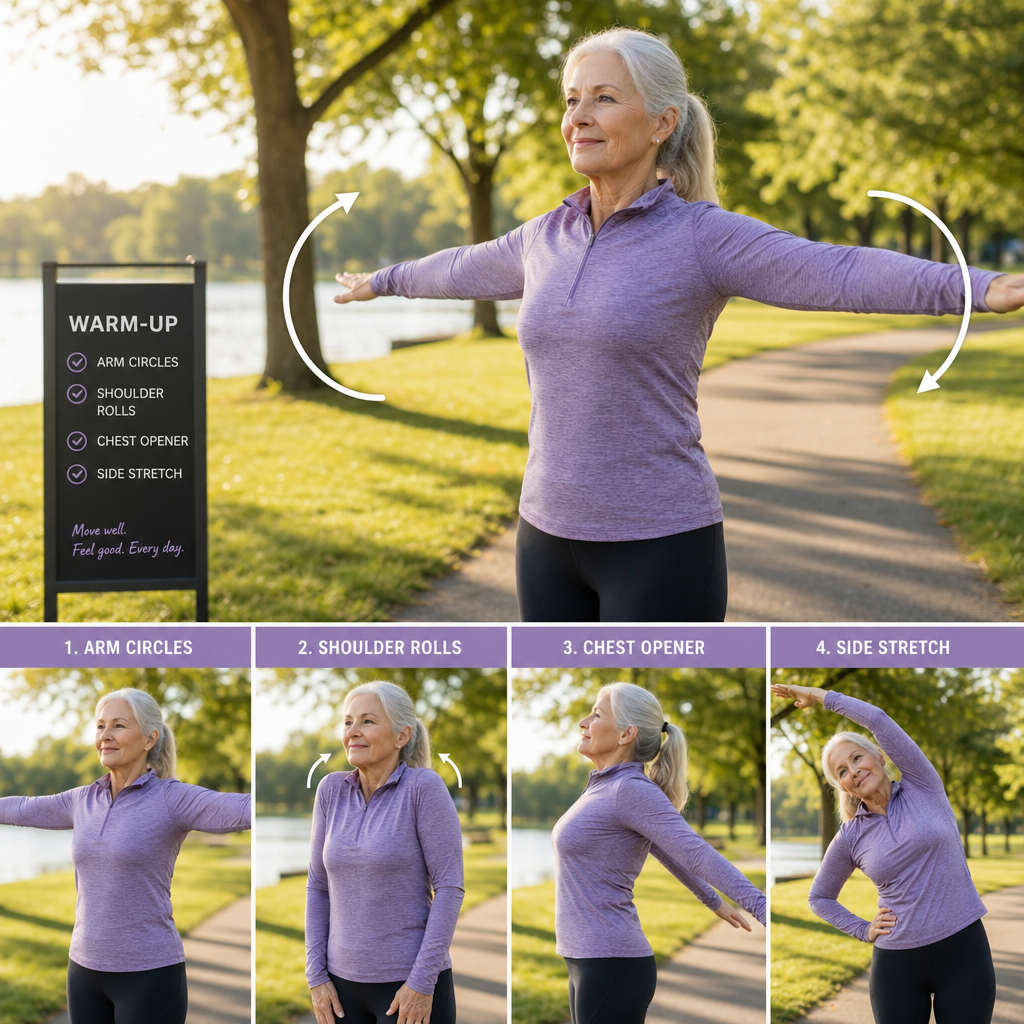
Never jump straight into cardio exercise. Spend 5 minutes warming up with gentle movements like marching in place, shoulder rolls, and ankle circles. This increases blood flow to your muscles and prepares your heart for increased activity.
When starting a new cardio routine, follow the 10% rule. Don’t increase your duration or intensity by more than 10% each week. This gradual progression helps prevent injury and allows your cardiovascular system to adapt safely.
Aim for at least 150 minutes of moderate cardio per week, broken into manageable chunks. Three 10-minute walks spread throughout the day count just as much as one 30-minute session. Listen to your body and take rest days when you need them.
Cool down after each session with 5 minutes of slower movement and gentle stretching. This helps your heart rate return to normal gradually and reduces muscle soreness.
Monitoring Intensity and Staying Safe
Pay attention to how you feel during exercise. You should feel like you’re working, but not exhausted or in pain. Stop immediately if you experience chest pain, severe shortness of breath, dizziness, or nausea. These are signs you’re pushing too hard or may need medical attention.
Keep a simple exercise log tracking your duration, perceived effort, and how you felt afterward. This helps you spot patterns and celebrate progress. You might also invest in a basic blood pressure monitor to check your numbers before and after exercise.
Stay hydrated by drinking water before, during, and after your workout. Dehydration can affect your heart rate and make exercise feel harder than it should.
Frequently Asked Questions
How often should seniors do cardio exercise?
Most seniors should aim for at least 150 minutes of moderate cardio per week, spread across multiple days. This typically breaks down to 30 minutes, five days a week, but you can split these into shorter 10-15 minute sessions if that’s more manageable. Always consult with your doctor before starting a new exercise program, especially if you have existing heart conditions or other health concerns.
What if I can’t reach my target heart rate zone?
Don’t worry if you can’t hit the calculated target zone right away. Some medications, particularly beta-blockers, can lower your heart rate and make traditional calculations less useful. Focus instead on perceived exertion and the talk test. Your doctor can help you determine appropriate intensity levels based on your specific health situation and medications.
This article contains affiliate links. We may earn a small commission at no extra cost to you.