Living with COPD doesn’t mean giving up on physical activity. In fact, the right exercise program can help you breathe easier, build strength, and maintain your independence longer. The key is knowing which exercises are safe, how to pace yourself, and when to take breaks.
This guide walks you through proven exercises designed specifically for people with COPD, along with techniques to monitor your breathing and build endurance without triggering dangerous breathlessness. You’ll learn what works, what to avoid, and how to create a sustainable routine that fits your current fitness level.
Understanding Safe Exercise with COPD
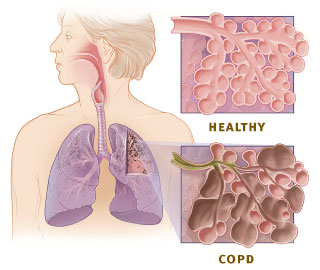
Before starting any exercise program, you need to understand your baseline. Talk with your doctor about your current lung function and get clearance for physical activity. Most people with COPD can exercise safely, but you’ll want to know your specific limitations.
Your oxygen saturation level is the most important number to track during exercise. A pulse oximeter clips onto your finger and shows your oxygen levels in real time. Healthy levels sit between 95-100%, but many people with COPD function well at 88-92%.
Stop exercising immediately if your oxygen saturation drops below 88%, you feel dizzy or lightheaded, or you experience chest pain. Increased shortness of breath is normal during exercise, but it should ease within a few minutes of resting. For comprehensive guidance on safe breathing techniques and workouts for COPD, understanding these warning signs is essential.
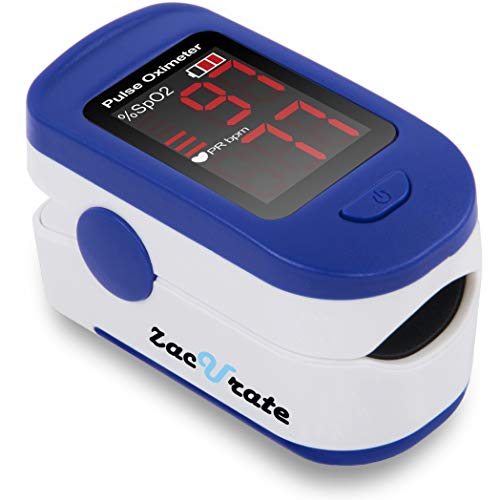
Pulse Oximeter Fingertip
Essential for monitoring oxygen saturation during exercise and knowing when to stop.
Breathing Techniques That Make Exercise Easier
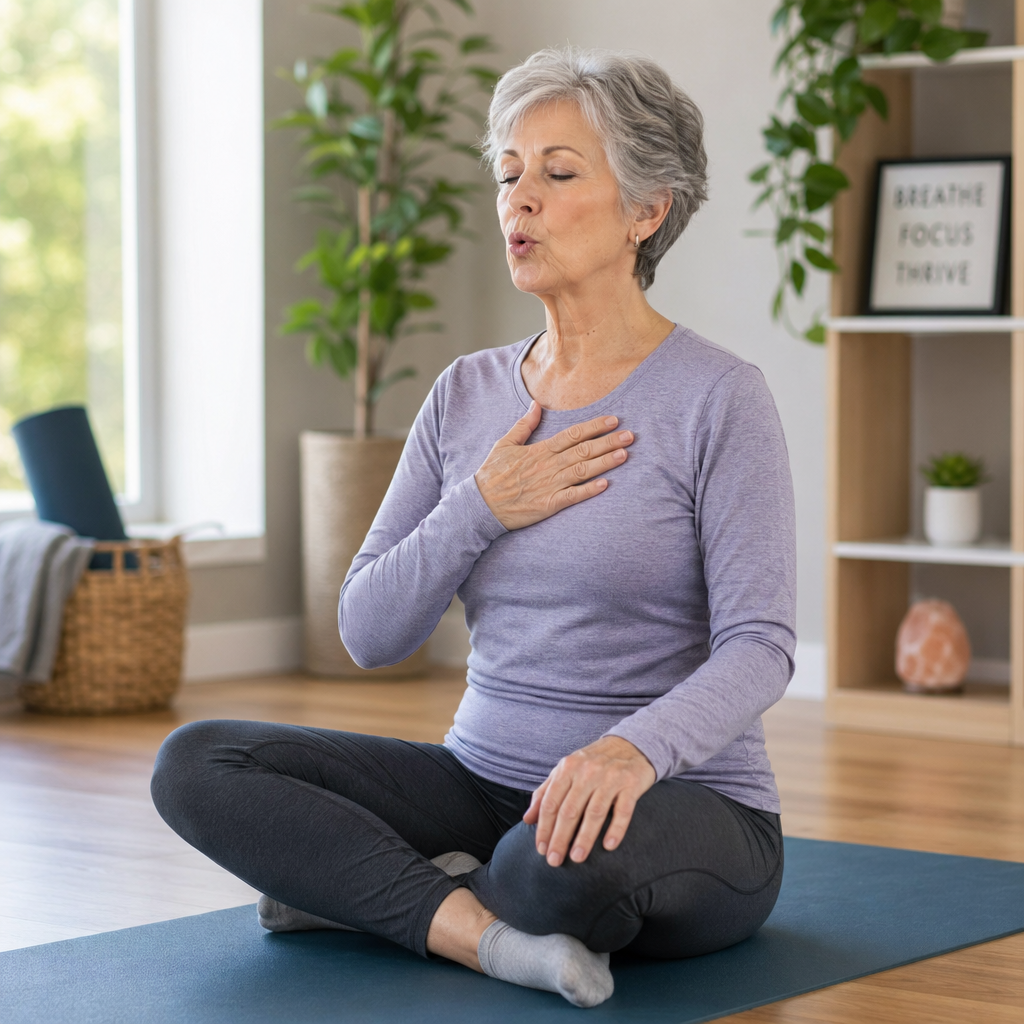
Pursed lip breathing is your best friend during exercise. Breathe in through your nose for two counts, then exhale slowly through pursed lips (like you’re blowing out a candle) for four counts. This technique keeps your airways open longer and prevents air from getting trapped in your lungs.
Practice diaphragmatic breathing while sitting or lying down before you try it during exercise. Place one hand on your chest and one on your belly. When you breathe in, your belly should rise while your chest stays relatively still. This engages your diaphragm, the main muscle responsible for breathing, instead of relying on weaker chest muscles.
A breathing exercise device can help strengthen your respiratory muscles over time. These devices provide adjustable resistance when you inhale or exhale, similar to lifting weights for your lungs.
Paced Walking: Building Your Foundation
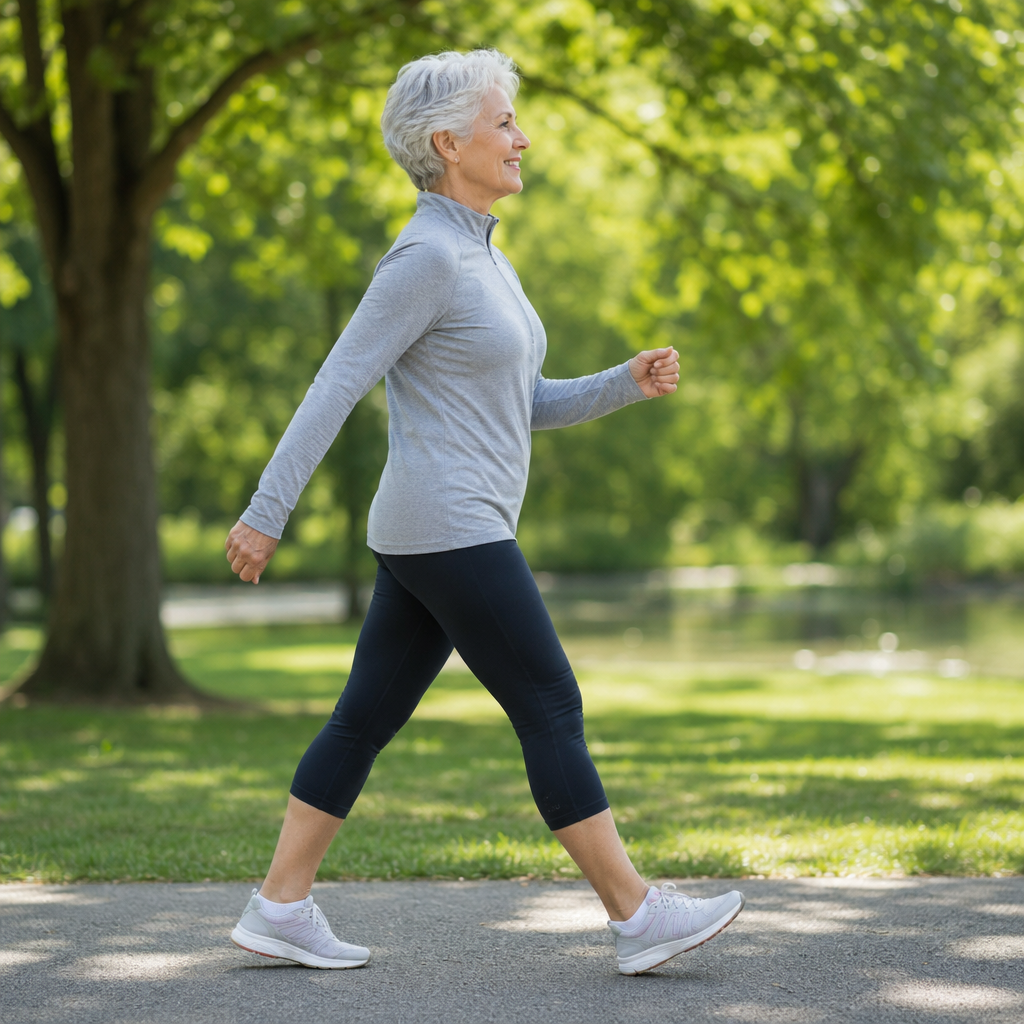
Walking is the single best exercise for people with COPD. Start with just 5 minutes if that’s all you can manage. The distance doesn’t matter in the beginning. Focus on developing a consistent routine first.
Use the talk test to gauge your intensity. You should be able to speak in short sentences while walking. If you can’t talk at all, you’re pushing too hard. If you can sing, you could probably pick up the pace slightly.
Try interval walking once you’ve built up some baseline endurance. Walk at your normal pace for 2-3 minutes, then slow down for 1 minute to recover. This pattern helps you gradually extend your walking time without overwhelming your lungs. Add one minute to your total walking time each week.
A supportive pair of walking shoes with good arch support makes a real difference in your comfort and stability during regular walks. If walking on land feels too challenging initially, water aerobics provides excellent low-impact exercise that supports your body weight while you build endurance.
Upper Body Exercises for Breathing Support
Strong shoulder, chest, and back muscles help support your breathing by improving your posture and making it easier for your lungs to expand. You don’t need heavy weights. Light resistance is plenty effective.
Shoulder blade squeezes are simple but powerful. Sit up straight and pull your shoulder blades together, hold for 5 seconds, then release. Repeat 10 times. This counteracts the forward slouch that many people with COPD develop, which compresses the chest cavity.
Arm raises work well with light hand weights or even soup cans. Sit in a sturdy chair and raise both arms out to your sides to shoulder height, coordinating the movement with your breathing. Exhale as you lift, inhale as you lower. Start with 5 repetitions and build up gradually.

Light Hand Weights Set
Perfect starter weights for upper body exercises without overexertion.
Wall push-ups build chest and arm strength without lying on the floor. Stand arm’s length from a wall, place your palms flat against it, and do push-ups against the wall. Remember to use pursed lip breathing. Exhale as you push away from the wall, inhale as you lean in.
Creating Your Weekly Exercise Schedule
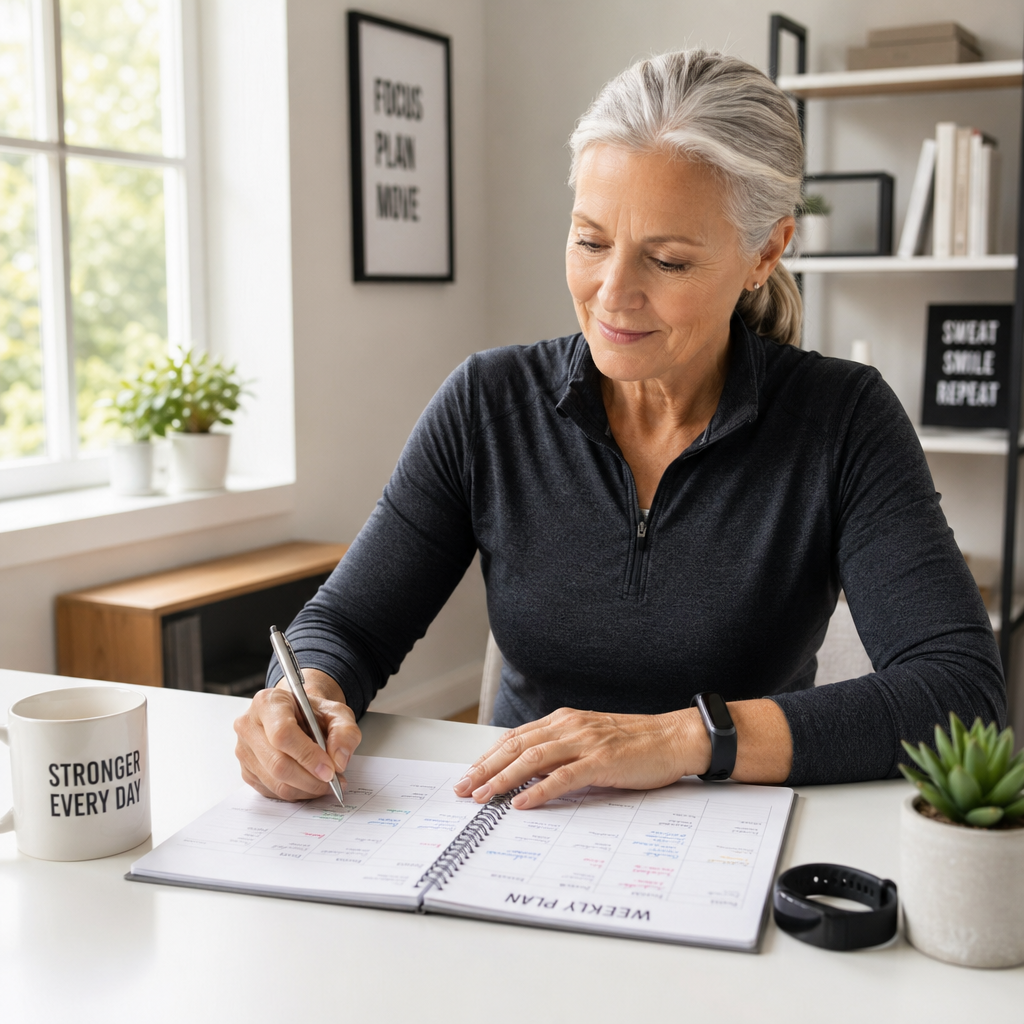
Consistency beats intensity every time with COPD. Exercising 5-6 days per week for shorter periods works better than occasional longer sessions. Your lungs and muscles need regular stimulation to maintain and improve function.
A sample week might look like this: Monday, Wednesday, and Friday you do 10-15 minutes of walking plus upper body exercises. Tuesday and Thursday you focus on breathing exercises and gentler movement. Saturday you take a longer walk if you’re feeling good. Sunday is for rest or very light stretching.
Track your progress in a simple notebook or your phone. Write down how long you exercised, how you felt, and what your oxygen levels were. This information helps you spot patterns and shows your doctor what’s working.
Don’t exercise right after meals. Wait at least 90 minutes after eating to avoid competing demands on your body’s oxygen supply. Early morning or late afternoon often work best for people with COPD.
Equipment That Actually Helps
You don’t need a lot of gear, but a few key items make exercising with COPD safer and more effective. Beyond a pulse oximeter, consider investing in a lightweight folding chair for outdoor rest breaks during walks.
Resistance bands offer variable difficulty for upper body work without taking up space. Look for a resistance band set that includes light, medium, and heavy options so you can progress over time.

Resistance Bands Set with Handles
Versatile tool for safely building upper body strength at multiple resistance levels.
If you use supplemental oxygen, a portable oxygen concentrator with a long battery life gives you freedom to exercise outside your home. Many models now weigh under 5 pounds and run for several hours on a single charge.
Frequently Asked Questions
How do I know if I’m exercising too hard with COPD?
Your oxygen saturation is the most reliable indicator. Stop exercising if it drops below 88% or if you experience dizziness, chest pain, or extreme breathlessness that doesn’t improve within 5 minutes of rest. Mild to moderate shortness of breath is normal and expected during exercise. You’re looking for the zone where breathing is harder but still manageable with your breathing techniques.
Can exercise actually improve my lung function if I have COPD?
Exercise won’t reverse lung damage, but it absolutely improves how efficiently your body uses oxygen. Your muscles become better at extracting oxygen from your blood, your breathing muscles get stronger, and your cardiovascular system becomes more efficient. Most people who stick with a regular exercise program report less breathlessness during daily activities, even though their lung function tests might not show dramatic changes.
What should I do if I get too breathless during exercise?
Stop moving and focus on pursed lip breathing. Sit down if you need to, and lean slightly forward with your hands on your knees or a table. This position helps your diaphragm work more effectively. Don’t panic, as anxiety makes breathlessness worse. Once your breathing returns to baseline, you can resume at a slower pace or call it a day. Getting breathless occasionally is part of building endurance, but you should recover within 5-10 minutes.
This article contains affiliate links. We may earn a small commission at no extra cost to you.