Living with osteoporosis doesn’t mean you have to resign yourself to a sedentary lifestyle. In fact, the right kind of exercise is one of the most powerful tools you have to strengthen your bones and reduce fracture risk. While it might seem counterintuitive to move more when your bones are fragile, specific types of physical activity actually signal your body to build bone density.
The key is knowing which exercises help and which ones could do more harm than good. This guide will walk you through evidence-based exercises that can genuinely make a difference in your bone health, along with the proper techniques to keep you safe as you build strength.
Why Weight-Bearing Exercise Actually Works
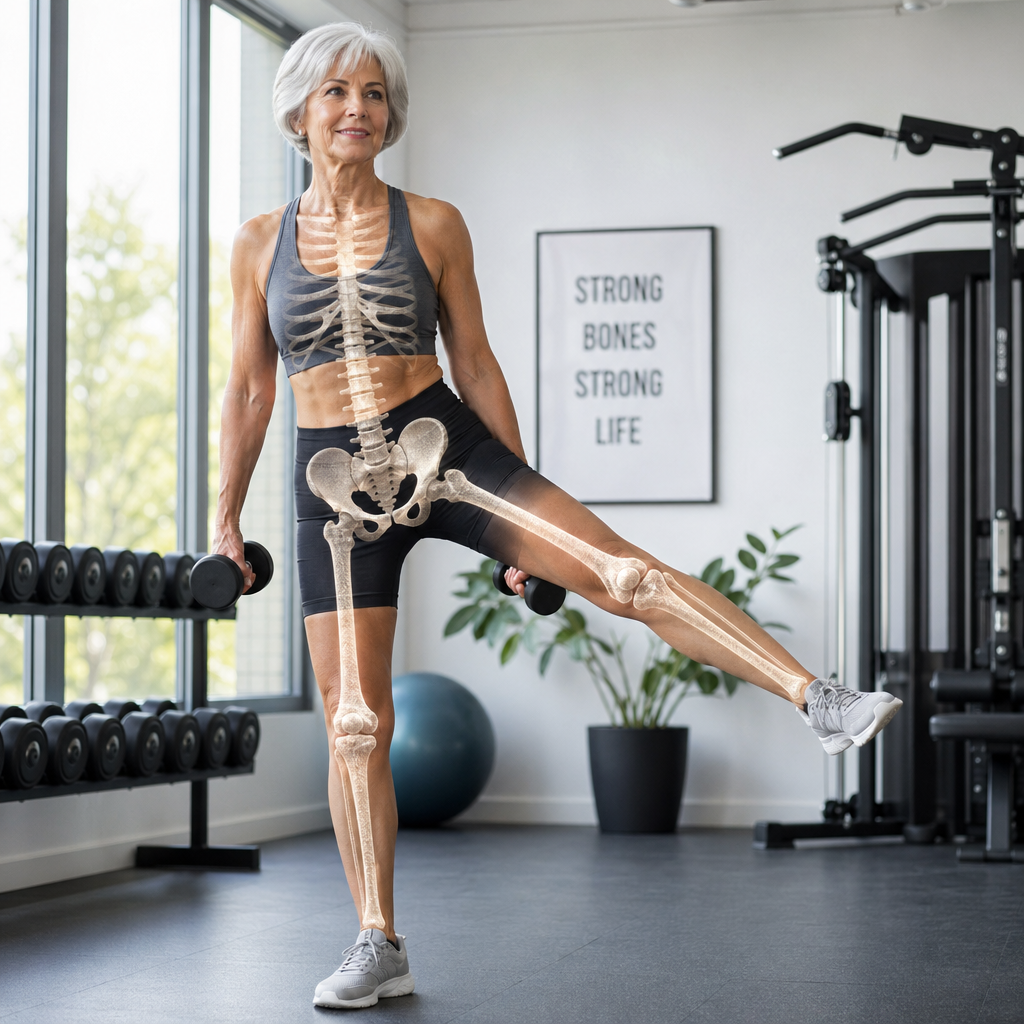
Your bones are living tissue that constantly adapts to the demands you place on them. When you perform weight-bearing activities, you create small stresses on your skeletal system. Your body responds by depositing new bone material to handle these forces better next time.
Research published in the Journal of Bone and Mineral Research found that postmenopausal women who participated in high-intensity resistance and impact training twice weekly for eight months increased their lumbar spine bone density by 2.9%. Even more impressive, they reduced their risk of falling by improving balance and muscle strength simultaneously.
Weight-bearing exercises force you to work against gravity while staying upright. This includes activities like walking, dancing, hiking, and climbing stairs. Resistance training adds another layer by having you work against an opposing force, whether that’s dumbbells, resistance bands, or your own body weight.
The Best Weight-Bearing Exercises for Bone Density
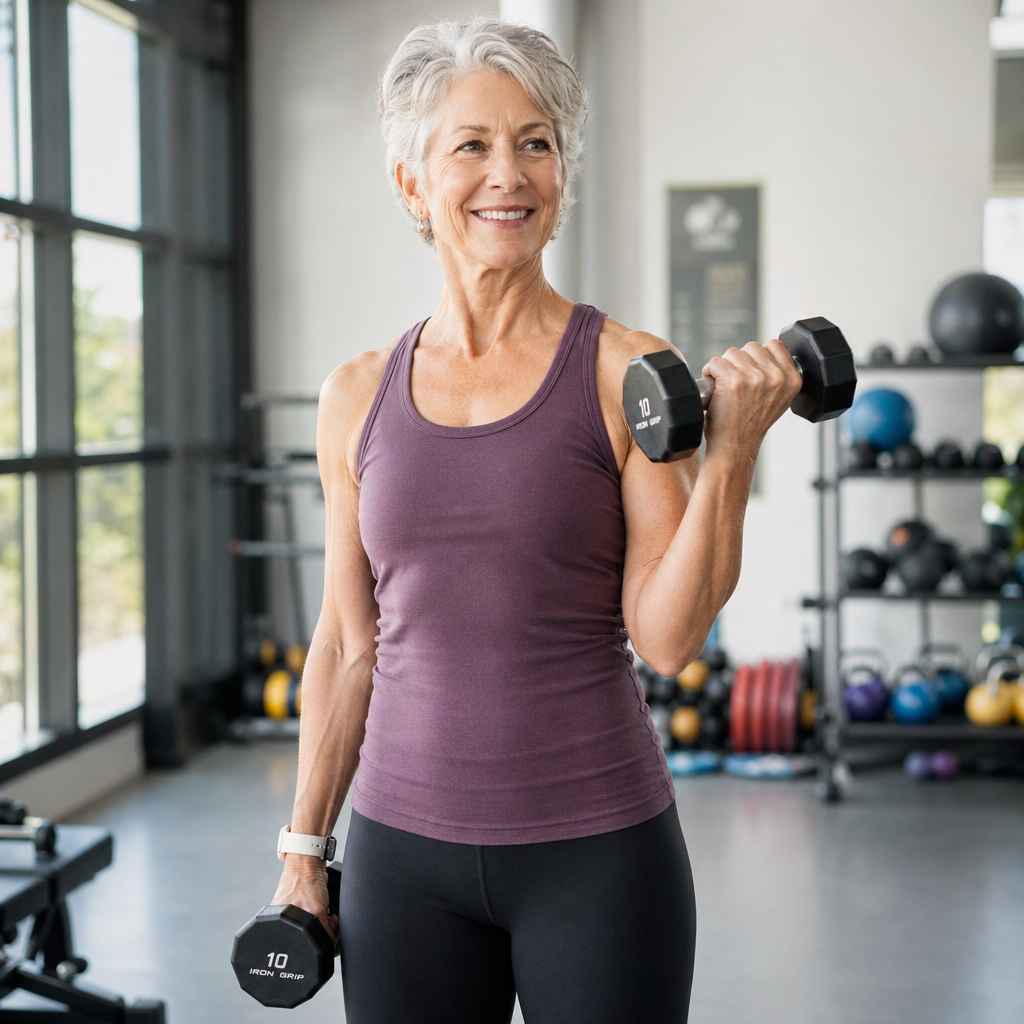
Not all weight-bearing activities provide equal benefits. Higher impact exercises generally produce better results, but you need to match the intensity to your current bone density and fitness level.
Walking With Purpose
Regular walking is a good starting point, but you’ll need to add some intensity to truly benefit your bones. A leisurely stroll isn’t enough. Try walking briskly enough that you can talk but not sing, or incorporate intervals where you increase your pace for 30-60 seconds.
Adding a weighted vest can amplify the bone-building benefits significantly. Studies show that wearing a vest equal to 10% of your body weight during walks can increase the loading on your spine and hips. Start lighter and work your way up gradually.

Weighted Vest for Seniors
Look for adjustable options that let you start light and add weight as you progress.
Stair Climbing and Step-Ups
Climbing stairs provides excellent loading for your hip and spine bones. You can start with a single step in your home, doing controlled step-ups while holding a railing for balance. Work up to 10-15 repetitions on each leg.
As you get stronger, progress to climbing actual flights of stairs. The descending motion is equally important because it requires your muscles to control the movement eccentrically, which also stresses the bones positively.
Dancing and Group Exercise Classes
Dancing combines weight-bearing activity with balance training and social engagement. The varied movements and directional changes provide multidirectional loading that benefits your entire skeletal system. Ballroom dancing, line dancing, and Zumba Gold classes designed for older adults are all excellent options.
Resistance Training Exercises You Should Do
Resistance training might be even more important than traditional weight-bearing cardio when it comes to building bone density. When you contract muscles forcefully, they pull on the bones they’re attached to, creating the stimulus needed for new bone formation.
Squats and Modified Squats
Squats target your hips, spine, and legs simultaneously. Start with partial squats, lowering yourself only halfway down while holding onto a chair or countertop for support. Keep your weight in your heels and your chest lifted.
As you build strength, progress to deeper squats and eventually free-standing versions. Aim for 2-3 sets of 10-12 repetitions twice weekly. Adding light dumbbells increases the bone-building effect further.
Overhead Presses
Overhead pressing movements are particularly beneficial for your spine and shoulders. Sit in a sturdy chair with your back supported. Hold light dumbbells at shoulder height, then press them overhead until your arms are straight.
Lower them back down with control. This exercise loads your spine in a vertical direction, which is exactly what you need to strengthen those vertebrae. Start with light weights, focusing on perfect form rather than heavy loads.
Row Variations
Rowing exercises strengthen the muscles that support your spine and help counteract the forward-stooped posture that often accompanies osteoporosis. You can use resistance bands or dumbbells.
Attach a resistance band to a doorknob at chest height. Step back until there’s tension, then pull your elbows back, squeezing your shoulder blades together. Hold for a second before slowly releasing. Perform 2-3 sets of 12-15 repetitions.
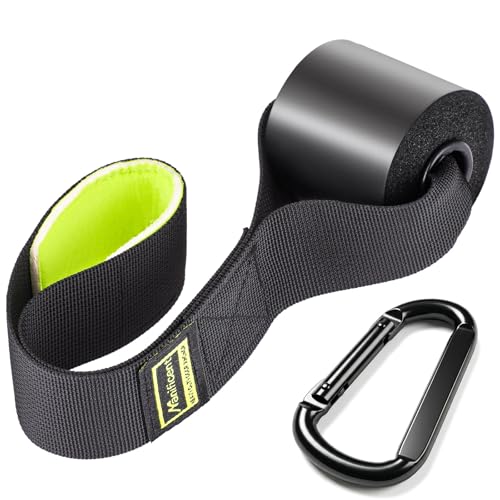
Resistance Bands Set with Door Anchor
Bands with door anchors give you the most exercise variety and are gentler on joints than free weights.
Heel Drops and Calf Raises
These simple exercises specifically target your leg bones and ankles. Stand on a step with your heels hanging off the edge. Rise up onto your toes as high as possible, then lower down past the step level to get a full range of motion.
For a higher-impact variation that provides even more bone stimulus, do heel drops. Rise onto your toes, then drop down onto your heels with slightly more force than a normal landing. This creates the impact your bones need while remaining controlled and safe.
Exercises to Avoid or Modify
Knowing what not to do is just as important as knowing the right exercises. Certain movements can significantly increase your fracture risk, especially if you already have low bone density.
Forward Flexion Movements
Avoid exercises that involve rounding your spine forward, particularly with added resistance. This includes toe touches, sit-ups, and certain yoga poses like forward folds. These movements place excessive pressure on the front of your vertebrae, which are already weakened by osteoporosis.
Even everyday activities like bending to pick up objects should be modified. Instead of rounding your back, hinge at your hips with a straight spine, or squat down to retrieve items from the floor.
High-Impact Jumping
While some impact is beneficial, jumping exercises can be too much if you have advanced osteoporosis. Skip exercises like jumping jacks, box jumps, or high-intensity plyometric routines. Save these for when your bone density has improved, if your doctor approves.
Twisting Under Load
Golf swings, certain tennis strokes, and weighted trunk rotation exercises can create shearing forces on your spine. You don’t have to give up golf entirely, but avoid adding extra resistance to twisting movements, and focus on smooth, controlled motions rather than explosive power.
Proper Form and Fracture Prevention
Perfect form isn’t just about getting better results. When you have osteoporosis, it’s about keeping yourself safe from injury.
Always maintain a neutral spine position during exercises. Imagine a string pulling the top of your head toward the ceiling. Your ears should align over your shoulders, shoulders over hips. This alignment distributes forces evenly across your vertebrae.
Move slowly and deliberately, especially during the lowering phase of exercises. Taking 2-3 seconds to lower a weight provides more bone-building stimulus than letting gravity do the work. It also gives you better control and reduces injury risk.
Use a mirror or workout with a partner who can check your form. Better yet, work with a physical therapist or trainer who specializes in osteoporosis at least initially. They can correct subtle form issues that you might not notice yourself.
Consider investing in proper footwear with good support. Shoes with adequate cushioning reduce impact forces on your joints while still allowing the beneficial stress to reach your bones. Supportive walking shoes make a real difference in your comfort and safety during exercise.
How to Progress Safely
Starting too aggressively is one of the biggest mistakes people make. You need to give your bones time to adapt to new stresses.
Begin with just two exercise sessions per week, separated by at least two days. Your bones need recovery time between workouts to rebuild stronger. As you adapt over 4-6 weeks, you can add a third session if desired.
Increase difficulty gradually by manipulating one variable at a time. Add one or two repetitions per set, or increase resistance by the smallest increment available. For walking, extend your distance by just 10% per week. Small, consistent increases are far safer and more sustainable than dramatic jumps.
Keep a simple log of your exercises, weights used, and repetitions completed. This helps you track progress and ensures you’re actually increasing the challenge over time. It’s easy to get comfortable and stick with the same routine indefinitely, which won’t continue producing results.
Listen to your body’s signals. Normal muscle fatigue and mild soreness the next day are fine. Sharp pain during exercise, lasting pain that doesn’t resolve within a few days, or any unusual discomfort warrants stopping that exercise and consulting your doctor.
The Vitamin D and Calcium Connection
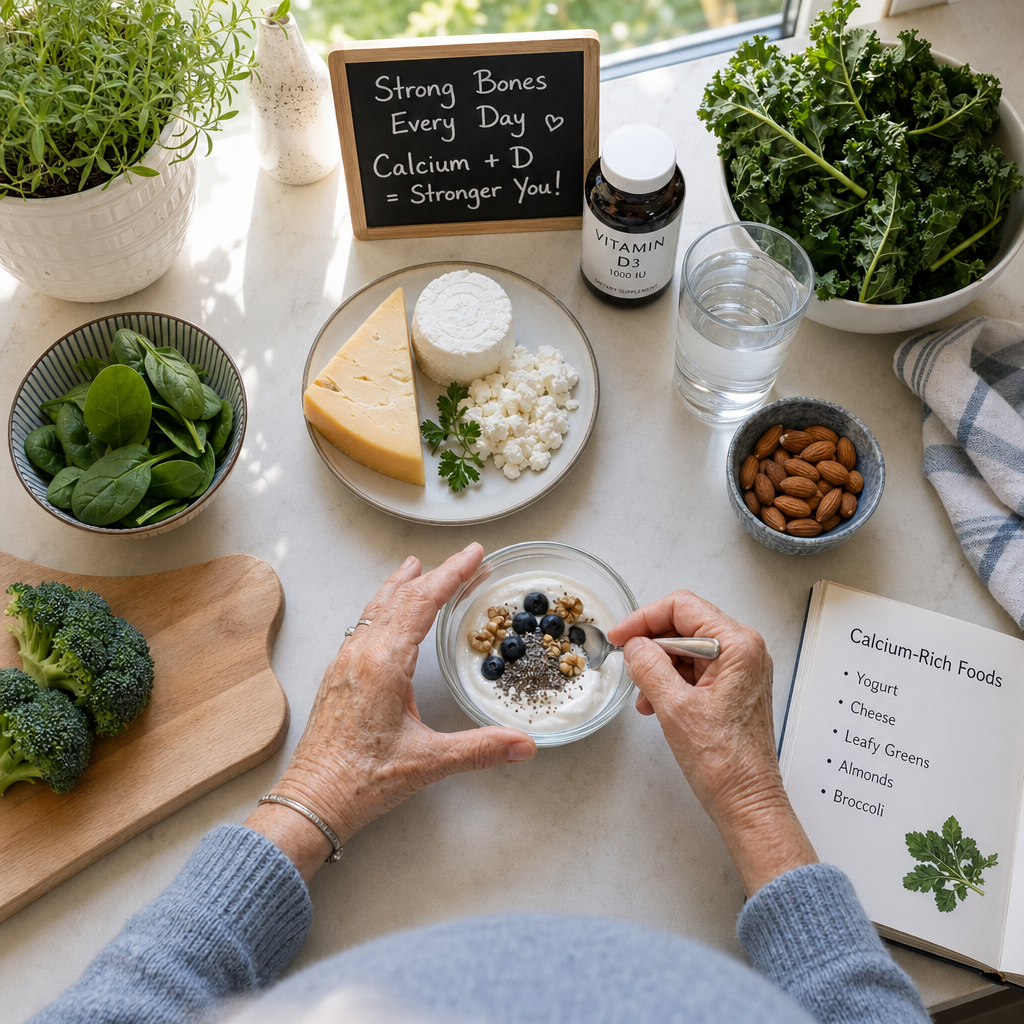
Exercise alone won’t maximize your bone density. You need the raw materials to build new bone tissue, primarily calcium and vitamin D.
Calcium is the main mineral component of bone. Women over 50 and men over 70 need 1,200 mg daily, while younger adults need 1,000 mg. Get this primarily from food sources like dairy products, leafy greens, sardines with bones, and fortified foods.
Vitamin D helps your body absorb calcium and plays a direct role in bone formation. Most adults need 800-1,000 IU daily, though many osteoporosis patients require more. Your doctor can test your vitamin D level and recommend an appropriate supplement dose if needed.
Taking a calcium supplement with vitamin D can help fill gaps in your diet, but food sources are ideal when possible. If you do supplement, take no more than 500 mg of calcium at once, as your body can’t absorb larger amounts efficiently. Split your dose if you need more than that.

Calcium with Vitamin D3 Supplement
Choose a formula that includes vitamin K2, which helps direct calcium to your bones rather than your arteries.
Vitamin K2 is an often-overlooked nutrient that works alongside calcium and vitamin D. It activates proteins that bind calcium to your bone matrix. You can find it in fermented foods like natto, certain cheeses, and egg yolks, or look for supplements that combine all three nutrients.
Don’t forget protein. Your bones are about 50% protein by volume, and you need adequate protein intake to build new bone tissue. Aim for about 1.0-1.2 grams per kilogram of body weight daily, spread across your meals.
Creating Your Weekly Exercise Plan
A balanced program combines weight-bearing cardio, resistance training, and balance work throughout the week.
Here’s a sample weekly schedule for someone with osteoporosis or osteopenia:
Monday: Resistance training (squats, rows, overhead presses, heel raises). 2-3 sets of 10-12 reps each exercise.
Tuesday: Brisk walking with weighted vest, 20-30 minutes. Include some stair climbing if available.
Wednesday: Rest or gentle stretching and balance exercises.
Thursday: Resistance training (different exercises or variations from Monday). Include step-ups, wall push-ups, and bicep curls.
Friday: Dancing class or brisk walking, 30 minutes.
Weekend: One day of active recreation (hiking, gardening with squatting and lifting) and one rest day.
Adjust this template based on your current fitness level and how your body responds. The important thing is consistency over months and years, not perfecting every single week. For more comprehensive guidance, check out our article on strength training for osteoporosis and learn how to build a balanced exercise plan that incorporates strength training for women over 50 along with flexibility work. If you prefer using resistance bands, our resistance band workout for osteoporosis offers detailed routines.
Frequently Asked Questions
How long does it take to see improvements in bone density?
Bone remodeling is a slow process. You typically won’t see measurable changes on a DEXA scan for at least 12-24 months of consistent exercise and proper nutrition. However, you’ll likely notice improvements in strength, balance, and confidence much sooner, often within 4-6 weeks. These functional improvements are valuable even before bone density changes show up on scans.
Can I exercise if I’ve already had a fracture?
Yes, but you need clearance from your doctor first and should work with a physical therapist initially. Exercise is actually critical for preventing future fractures, but you may need to start with very gentle movements and progress more slowly than someone without a fracture history. Avoid any exercises that stress the previously fractured area until it’s fully healed and your doctor approves.
Is swimming or water aerobics good for osteoporosis?
Swimming and water exercise are excellent for cardiovascular fitness, muscle endurance, and joint-friendly movement. However, they’re not weight-bearing activities because the water supports your body weight. They won’t directly improve bone density, though they’re great additions to a program that already includes land-based weight-bearing and resistance exercises. Think of water exercise as supplementary rather than your primary bone-building activity.
Should I use heavy weights or light weights for resistance training?
You need enough resistance to challenge your muscles and bones, but not so much that you compromise form or risk injury. A good rule of thumb is choosing a weight that makes the last 2-3 repetitions of a set feel difficult but doable with perfect form. This usually means moderate weights rather than maximal loads. As you get stronger, gradually increase the resistance by small increments. Working with a physical therapist can help you find the right starting point for your individual situation.
This article contains affiliate links. We may earn a small commission at no extra cost to you.