Living with arthritis doesn’t mean giving up on physical activity. In fact, the right kind of exercise can actually reduce joint pain, improve flexibility, and help you maintain your independence as you age. The key is choosing movements that work with your body, not against it.
The exercises below are specifically designed to minimize stress on your joints while keeping you strong and mobile. You can adjust them based on your comfort level, and many can be done right in your living room.
Water-Based Exercises: Your Joints’ Best Friend
Water exercises top the list for arthritis-friendly movement. The buoyancy takes up to 90% of your body weight off your joints, while the natural resistance helps build strength. You don’t need to be a swimmer to benefit either.
Try water walking in the shallow end, starting with 10 minutes and gradually increasing. Move your arms through the water as you walk to engage your upper body. Pool noodles and aquatic dumbbells add variety without adding joint stress.

Water Exercise Belt
Provides flotation support for deep water exercises without impact on joints
Many community centers and YMCAs offer aquatic arthritis classes specifically designed for seniors. These classes provide structure and social connection, both of which improve exercise consistency.
Gentle Yoga and Tai Chi for Flexibility
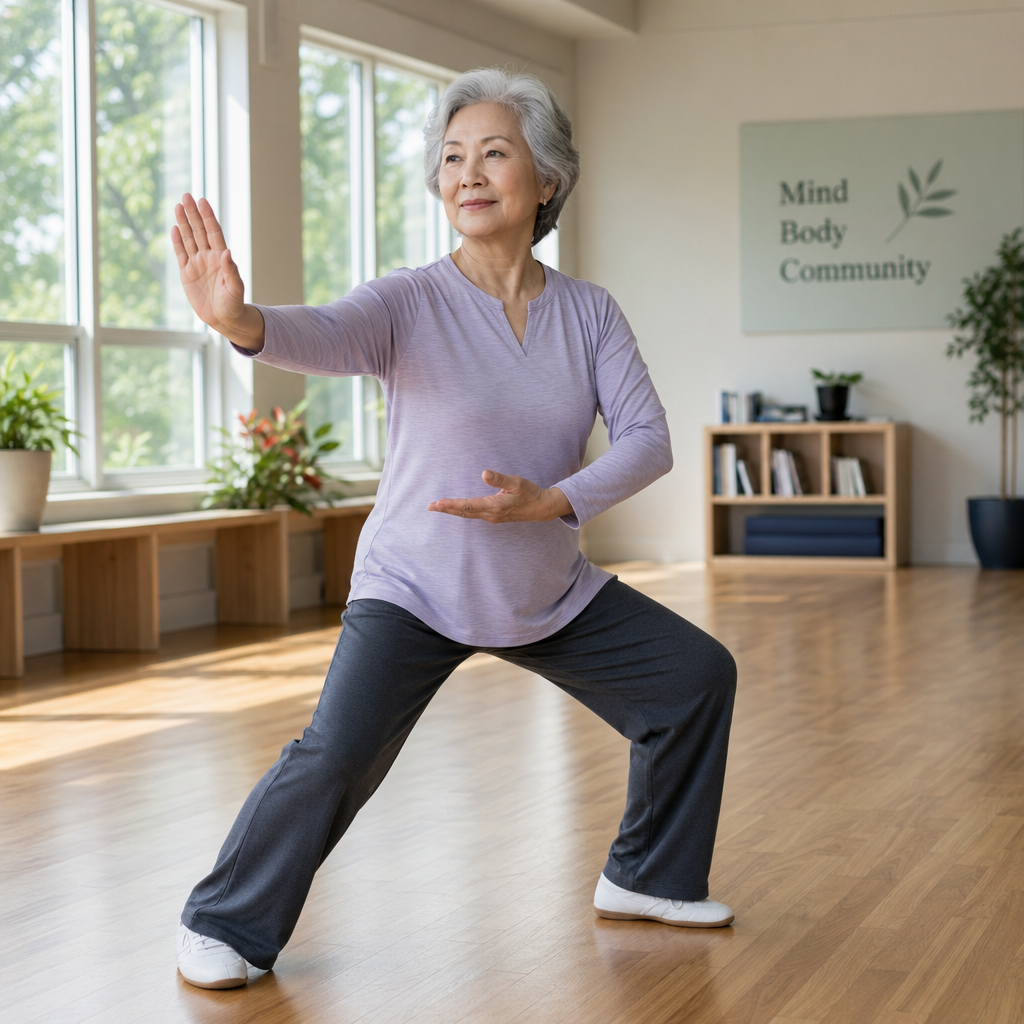
Yoga and tai chi both emphasize slow, controlled movements that build strength and flexibility without jarring your joints. Multiple studies show these practices reduce arthritis pain and stiffness when done consistently.
Look for chair yoga classes if getting up and down from the floor is challenging. You’ll get the same benefits while staying seated. Focus on classes labeled “gentle,” “restorative,” or “senior-friendly” rather than power or hot yoga.
Tai chi involves flowing movements that improve balance along with joint health. The slow pace lets you stop or modify any position that causes discomfort. Research from the Arthritis Foundation shows that regular tai chi practice can reduce falls and improve quality of life for people with arthritis.
A quality extra-thick yoga mat provides cushioning for any floor exercises you attempt. Pair it with yoga blocks and straps to modify poses as needed.
Resistance Band Training Without the Joint Pain
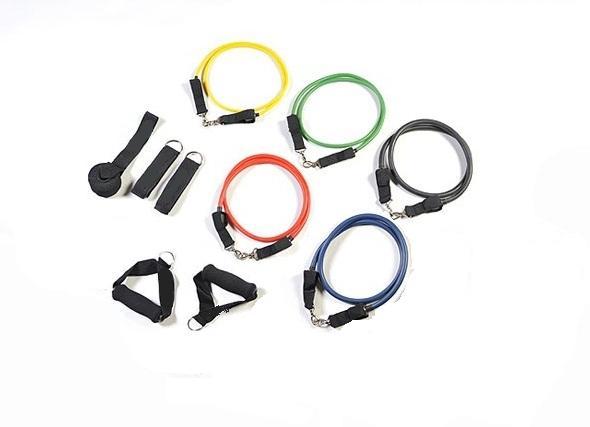
Resistance bands let you build muscle strength without the impact of free weights. They’re particularly useful for arthritis because you control the tension completely, and they’re gentle on wrists and elbows.
Start with light resistance bands and focus on form over intensity. Seated rows strengthen your back, chest presses work your upper body, and leg extensions build quad strength. All of these support your joints by strengthening the muscles around them.

Resistance Bands Set with Handles
Multiple resistance levels let you progress gradually with comfortable grip handles for arthritic hands
Aim for 10-12 repetitions of each exercise, doing 2-3 sets. Take breaks between sets, and stop immediately if you feel sharp pain. Mild discomfort is normal when building strength, but pain is your body’s signal to ease up.
Tips for Managing Pain During Exercise
Apply heat to stiff joints before exercising to increase blood flow and flexibility. A warm shower or heating pad for 15-20 minutes can make a significant difference in your comfort level.
After exercise, use ice packs on any joints that feel inflamed. The cold reduces swelling and numbs pain. Keep sessions to 15 minutes maximum to avoid skin damage.
Time your exercise for when your pain medication is most effective. Many people find mid-morning works well, after morning stiffness has eased but before afternoon fatigue sets in.
Listen to your body and respect flare-ups. On high-pain days, stick to gentle range-of-motion exercises rather than pushing through. Consistency matters more than intensity when managing arthritis.
Frequently Asked Questions
How often should I exercise with arthritis?
Aim for some type of movement most days of the week. This might mean 30 minutes of water exercise three times weekly, plus daily gentle stretching. Consistency prevents stiffness better than occasional intense sessions. Start with 10-15 minutes if you’re new to exercise and gradually increase as your body adapts.
Is it normal to feel sore after exercising with arthritis?
Mild muscle soreness 12-24 hours after exercise is normal and shows you’re building strength. However, increased joint pain that lasts more than two hours after exercise means you’ve overdone it. Scale back the intensity or duration next time. Sharp pain during exercise means stop immediately and consult your doctor before continuing that particular movement.
This article contains affiliate links. We may earn a small commission at no extra cost to you.