Sciatica pain can turn simple tasks like getting out of bed or sitting through a meeting into unbearable challenges. That shooting pain down your leg, the tingling in your toes, the ache that seems to settle deep in your hip – these are all signs that your sciatic nerve is unhappy. But here’s what many people don’t realize: the right exercises can provide significant relief, while the wrong movements or too much rest can actually make things worse.
Understanding when to move, when to rest, and which specific exercises target sciatic nerve pain makes all the difference in your recovery. Let’s break down the techniques that actually work.
Nerve Glides: Teaching Your Sciatic Nerve to Move Freely
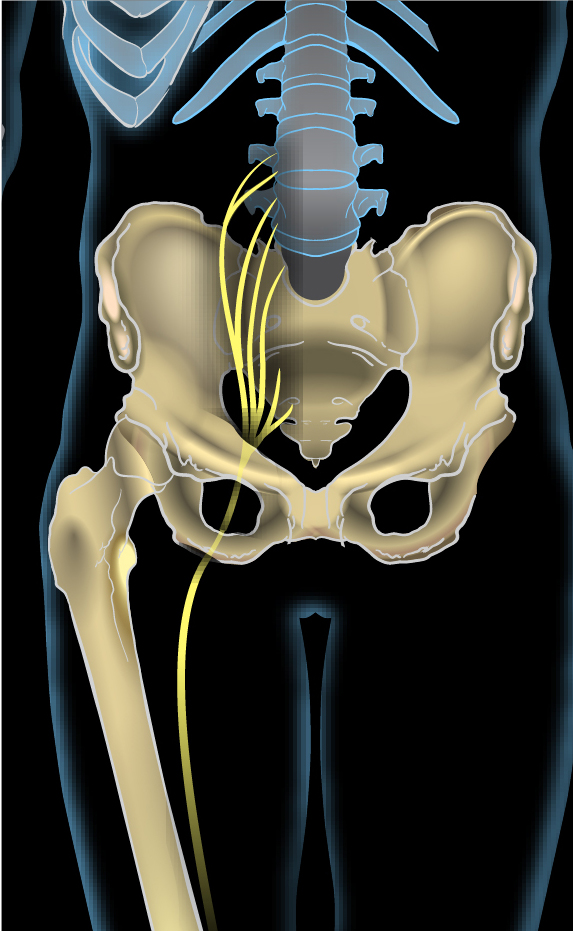
Nerve glides (also called nerve flossing) help your sciatic nerve slide smoothly through the tissues surrounding it. When inflammation or tight muscles trap the nerve, these gentle movements can restore normal nerve mobility.
Start with the seated nerve glide. Sit on a chair with your feet flat on the floor. Straighten one leg out in front of you while simultaneously tucking your chin to your chest. Then flex your foot toward you. Hold for two seconds, then return to the starting position. Repeat 10 times on each leg, twice daily.
The supine nerve glide works well if sitting aggravates your pain. Lie on your back and raise one leg, keeping it straight. Gently flex and point your foot while the leg is elevated. You should feel a mild stretch, never sharp pain. If you experience increased pain, you’re pushing too hard.
Piriformis Stretches: Releasing the Deep Hip Muscle
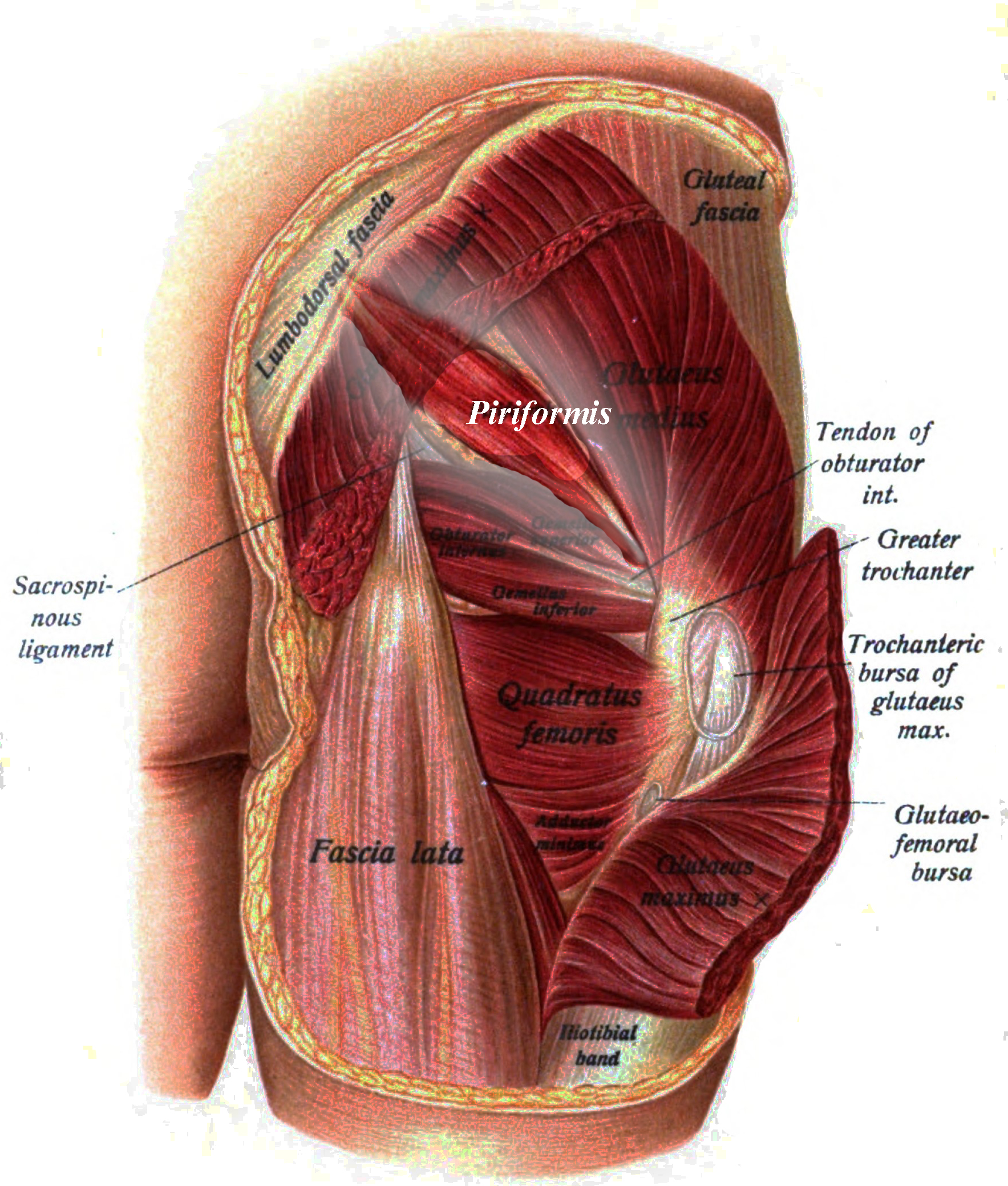
Your piriformis muscle sits deep in your buttock, and the sciatic nerve runs directly under it (or sometimes through it). When this muscle tightens, it can compress the nerve and cause classic sciatica symptoms.
The figure-four stretch is one of the most effective piriformis releases. Lie on your back with both knees bent. Cross your affected leg over the other knee, creating a “4” shape. Grasp the thigh of your bottom leg and gently pull it toward your chest. You’ll feel a deep stretch in your buttock. Hold for 30 seconds, repeat three times.

Yoga Mat Extra Thick
A cushioned mat makes floor exercises more comfortable and helps you maintain proper form during stretches.
The seated piriformis stretch offers an alternative if getting down on the floor is difficult. Sit in a chair and place your affected ankle on the opposite knee. Gently lean forward from your hips, keeping your back straight. You should feel the same deep buttock stretch. For those dealing with related discomfort, these gentle movements can also help relieve hip pain that often accompanies sciatica.
Core Strengthening: Building Your Natural Back Brace

A strong core takes pressure off your lower back and reduces the likelihood of sciatica flare-ups. Focus on exercises that build stability without excessive spinal flexion or extension.
Dead bugs are particularly effective. Lie on your back with arms extended toward the ceiling and knees bent at 90 degrees. Slowly lower one arm overhead while straightening the opposite leg, hovering it just above the ground. Return to start and repeat on the other side. Perform three sets of 10 repetitions.
Bird dogs build both core and back strength. Start on hands and knees. Extend one arm forward while extending the opposite leg back, keeping your spine neutral. Hold for five seconds, then switch sides. Aim for three sets of 10 repetitions per side.
Planks strengthen your entire core, but start with modified versions if you’re dealing with active sciatica. A resistance band can help you progress gradually with these exercises as your strength improves.
Positions That Help vs. Harm
Certain positions naturally decompress the sciatic nerve. Lying on your back with your knees bent and supported by pillows often provides immediate relief. Some people find relief lying on their side with a pillow between their knees, which keeps the spine aligned and reduces nerve tension.
Avoid prolonged sitting, especially in soft chairs that allow your hips to sink lower than your knees. This position increases pressure on the sciatic nerve. When you must sit, use a lumbar support cushion and keep your feet flat on the floor.
Standing with weight shifted to one side repeatedly throughout the day can trigger or worsen sciatica. Maintain even weight distribution and take regular walking breaks if your job requires extended standing periods.

Lumbar Support Cushion
Proper lumbar support while sitting helps maintain the natural curve of your spine and reduces sciatic nerve pressure.
When to Exercise and When to Rest
During acute sciatica flare-ups (the first 48-72 hours), gentle movement is better than complete bed rest. Short walks of 10-15 minutes every few hours keep your muscles from stiffening while avoiding excessive strain. Nerve glides can often be performed even during acute phases if they don’t increase your pain.
As pain decreases, gradually increase your exercise intensity and duration. You should be able to complete exercises with only mild discomfort, rated no higher than 3 out of 10 on a pain scale. If an exercise causes sharp pain or increases symptoms that last more than an hour after you finish, back off.
Complete rest for more than a day or two typically slows recovery. Your body needs movement to reduce inflammation, maintain flexibility, and prevent muscle atrophy that can lead to future episodes. After exercise sessions, using foam rolling techniques can aid in muscle recovery and reduce tension that may contribute to nerve compression.
Red Flags Requiring Immediate Medical Attention
While most sciatica improves with conservative treatment, certain symptoms indicate a medical emergency. Loss of bowel or bladder control suggests cauda equina syndrome, which requires immediate surgical intervention to prevent permanent nerve damage.
Progressive weakness in your leg, particularly foot drop (inability to lift the front of your foot), indicates worsening nerve compression that may need medical intervention. Sciatica in both legs simultaneously is uncommon and warrants prompt evaluation.
Severe pain that doesn’t improve at all with position changes, accompanied by fever or unexplained weight loss, could indicate infection or other serious conditions. Sciatica following significant trauma like a fall or car accident requires imaging to rule out fractures or disc herniation. Some people find that cold therapy can help reduce inflammation in the acute phase, though always consult your healthcare provider before trying new treatments.
Frequently Asked Questions
How long does sciatica typically last with proper exercise?
Most cases of sciatica improve significantly within 4-6 weeks with appropriate exercises and activity modification. Some people experience relief within days, while others may need several months. Consistency with exercises matters more than intensity. Performing nerve glides and stretches 2-3 times daily typically produces better results than aggressive once-daily sessions. If you see no improvement after six weeks of dedicated exercise, consult a physical therapist or physician for additional evaluation.
Can I continue my regular workout routine with sciatica?
You’need to modify high-impact activities during the acute phase. Running, jumping, and heavy lifting often aggravate sciatica. Swimming, water aerobics, and walking are excellent alternatives that maintain fitness without excessive nerve irritation. Yoga can be beneficial, but avoid deep forward bends and poses that require extreme spinal flexion. Once your symptoms improve, gradually reintroduce your regular activities, increasing intensity by no more than 10% per week to prevent relapse. If you’re experiencing foot pain alongside sciatica, you might wonder whether certain exercises could worsen plantar fasciitis, as some forms of impact exercise can affect multiple areas.
This article contains affiliate links. We may earn a small commission at no extra cost to you.
Related Articles
- Foam Roller Guide for Seniors: Gentle Techniques for Muscle Recovery
- Managing Hip Pain Through Exercise: 12 Gentle Movements That Help
- Ice Baths Demystified: 12 Health Benefits of Ice Baths
- Is Jumping on a Trampoline Good for Plantar Fasciitis Relief: Expert Insights