Living with osteoporosis doesn’t mean you should avoid exercise. In fact, the right kind of strength training is one of the most effective ways to build bone density and reduce your risk of fractures. The key is choosing exercises that stress your bones in beneficial ways while avoiding movements that put you at risk.
Your bones respond to resistance by becoming stronger and denser. When you lift weights or work against resistance, you’re essentially telling your body to reinforce your skeleton. But not all exercises are created equal when it comes to osteoporosis, and some common movements can actually increase your fracture risk.
Best Exercises for Building Bone Density
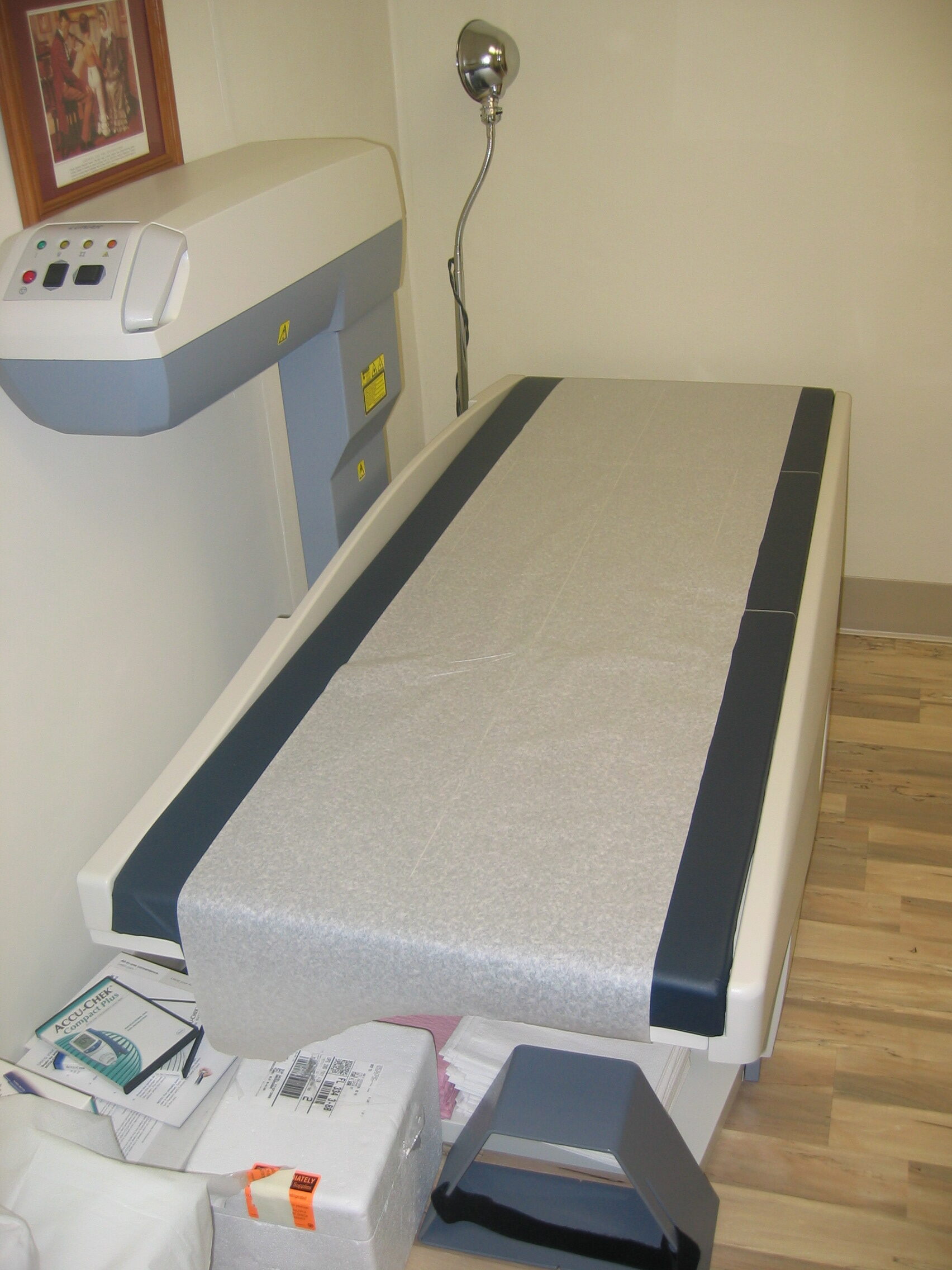
Weight-bearing exercises are your foundation. These include standing exercises where you’re supporting your own body weight while adding resistance. Walking is good, but you need more than that to truly impact bone density.
Start with bodyweight squats or wall push-ups if you’re just beginning. These teach proper movement patterns without equipment. Once you’re comfortable, add light dumbbells to exercises like overhead presses, rows, and modified lunges.

Adjustable Dumbbells Set for Seniors
Perfect for gradually increasing resistance as your strength improves without buying multiple sets
Deadlifts and squats are particularly effective for bone building because they load your spine and hips, the two areas most vulnerable to osteoporotic fractures. But form is critical. Consider working with a physical therapist for your first few sessions to learn proper technique.
Resistance bands offer another excellent option, especially for upper body exercises. They provide variable resistance that’s easier on your joints while still challenging your bones. Look for resistance band sets that include different tension levels so you can progress over time.
How to Start and Progress Safely
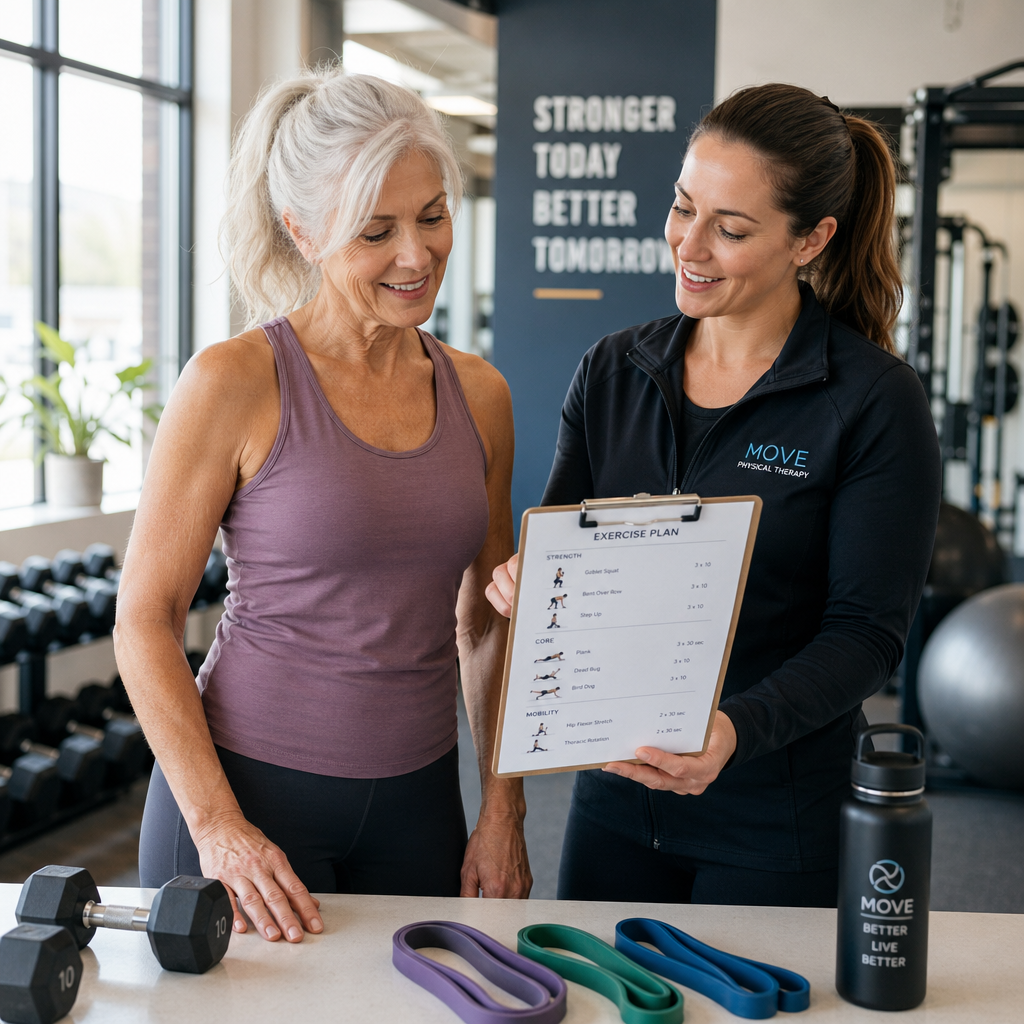
Begin with weights that feel manageable for 10 to 12 repetitions. You should feel challenged by the last few reps but still maintain perfect form. Two to three sessions per week gives your bones time to adapt between workouts.
Increase your weights by small increments only after you can complete three sets of 12 reps comfortably for two consecutive workouts. This might mean adding just 1 to 2 pounds at a time. Patience pays off when it comes to bone health.
Track your workouts in a simple notebook or phone app. Recording what you lift helps you see progress over months and prevents you from pushing too hard too fast. A fitness journal designed for seniors can help you stay consistent.

Non-Slip Workout Mat with Joint Support
Essential for floor exercises and provides cushioning to protect bones during balance work
Exercises to Absolutely Avoid
Forward bending movements top the list of dangerous exercises. Sit-ups, toe touches, and deep forward bends create enormous pressure on your vertebrae. These movements can cause compression fractures even during normal daily activities, but adding weight makes them especially risky.
Skip twisting exercises that combine rotation with forward bending. Golf swings, certain yoga poses, and weighted torso rotations put your spine in vulnerable positions. High-impact activities like jumping jacks or running might seem beneficial, but they increase fracture risk if you have severe osteoporosis.
Avoid machines that force your spine into flexion. Many seated ab machines and certain back extension equipment push you into forward bending under load. Free weights and bodyweight exercises give you more control over your spine position.
Building Your Weekly Routine
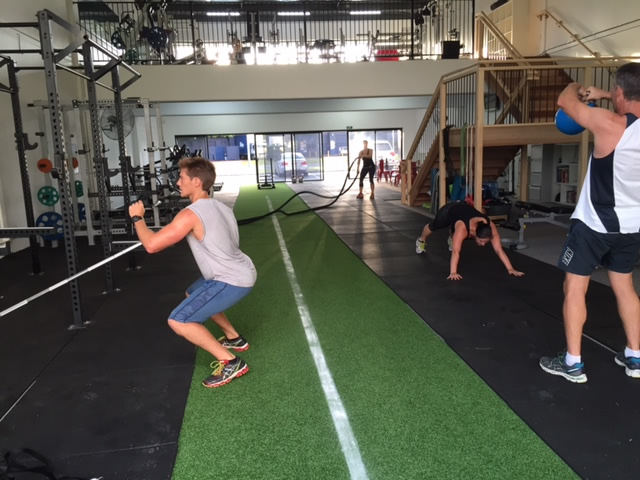
Structure your week around three non-consecutive strength training days. Monday, Wednesday, and Friday work well for most people. Each session should include exercises for your legs, back, chest, and arms, focusing on compound movements that work multiple muscle groups.
Add balance exercises on your off days. Standing on one foot, heel-to-toe walks, and tai chi movements improve stability without taxing your bones. Better balance means fewer falls and fractures.
Listen to your body but don’t confuse discomfort with danger. Muscle fatigue during exercise is normal and beneficial. Sharp pain, especially in your back, hips, or wrists, means stop immediately and consult your doctor.
Frequently Asked Questions
How long does it take to see improvements in bone density?
Bone remodeling takes time. Most studies show measurable improvements in bone density after 6 to 12 months of consistent strength training. You’ll notice improvements in strength, balance, and confidence much sooner, usually within 4 to 6 weeks. Don’t get discouraged if your DEXA scan doesn’t show dramatic changes right away. Even maintaining current bone density is a victory when you have osteoporosis.
Can I strength train if I’ve already had a fracture?
Yes, but you need medical clearance first. Talk to your doctor about when it’s safe to resume exercise after a fracture. You’ll likely start with very light resistance and focus on the unaffected areas while your fracture heals. Physical therapy can help you rebuild strength safely. Many people return to regular strength training programs after fractures, often with better form and awareness than before.
This article contains affiliate links. We may earn a small commission at no extra cost to you.