Hip pain can stop you in your tracks, making simple activities like walking, climbing stairs, or getting out of a chair feel like major challenges. Whether you’re dealing with arthritis, tight hip flexors from too much sitting, or general stiffness, the right exercises can make a real difference in your daily comfort and mobility.
The key is knowing which movements help and which might make things worse. This guide walks you through 12 gentle exercises designed to stretch tight hip flexors, strengthen your glutes, and improve overall hip mobility. You’ll also learn how to tell when it’s time to move versus when you need rest.
Understanding Your Hip Pain: When to Exercise and When to Rest
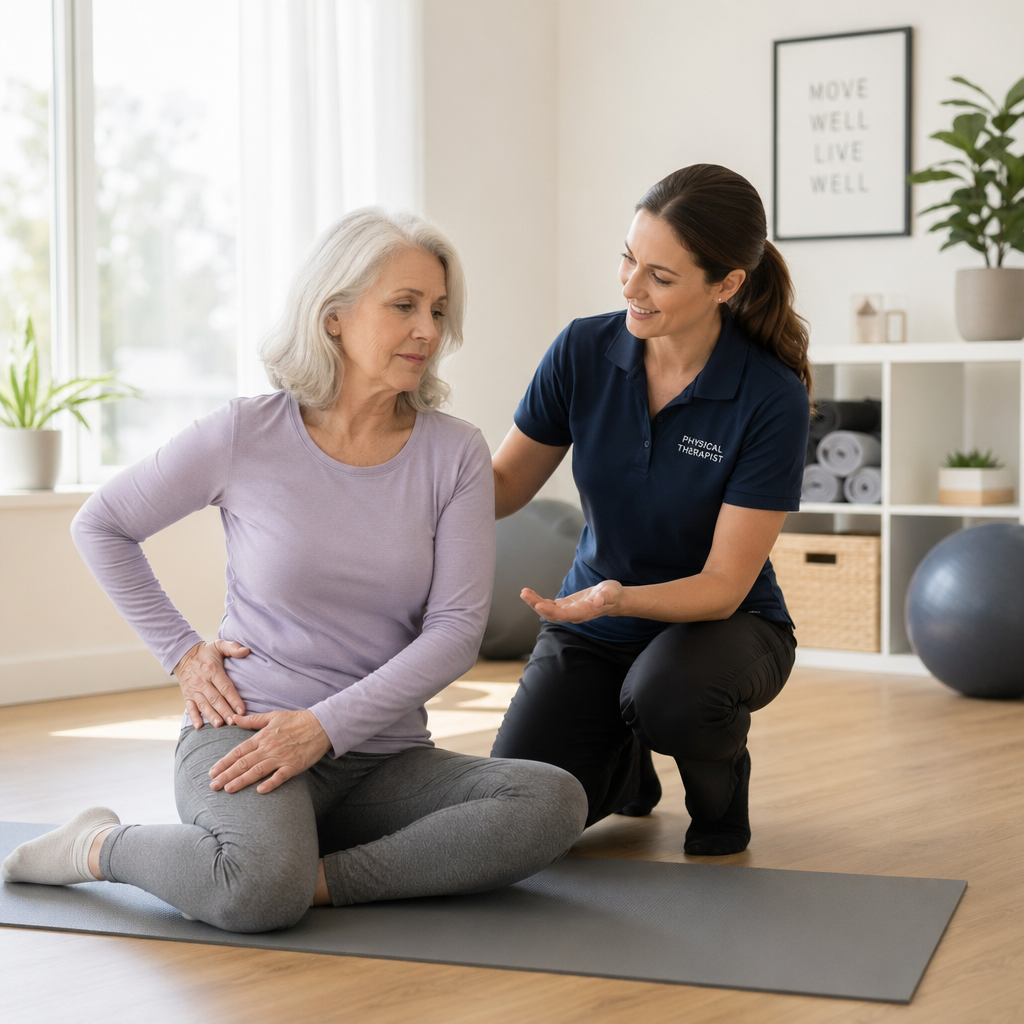
Not all hip pain is the same, and treating it all identically can backfire. Arthritis pain typically feels like a dull ache or stiffness that improves with gentle movement. You might notice it’s worse in the morning or after sitting for long periods, but it eases up as you start moving around.
Injury pain, on the other hand, tends to be sharper and more localized. It might hurt during specific movements and doesn’t necessarily improve with activity. If you experience sudden, severe pain, swelling, or pain that worsens with movement, you should check with your doctor before starting any exercise program.
For arthritis and general stiffness, gentle movement is usually your friend. The old advice to completely rest painful joints has been replaced by research showing that appropriate exercise reduces pain and improves function. The trick is starting gently and progressing slowly. If you notice clicking or popping sounds during movement, it helps to understand when hip clicking is harmless versus when it signals a problem.
Hip Flexor Stretches for Tight, Achy Hips
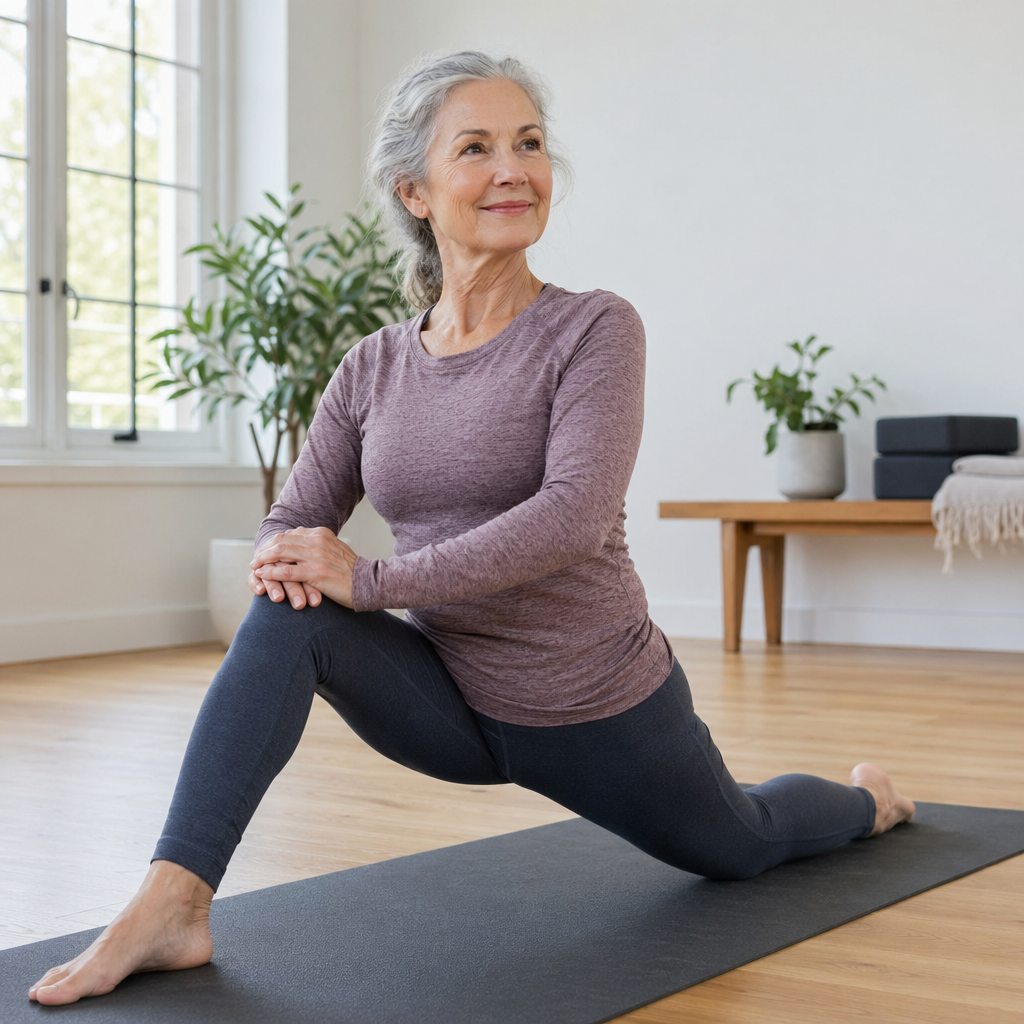
Your hip flexors run along the front of your hip and upper thigh. They get tight from sitting, which most of us do far too much. Tight hip flexors can throw off your posture and create pain throughout your lower back and hips.
Standing Hip Flexor Stretch
Stand next to a wall or sturdy chair for balance. Step one foot back about two feet, keeping your back heel off the ground. Gently tuck your pelvis under (like you’re trying to flatten your lower back) and lean forward slightly until you feel a stretch in the front of your back hip. Hold for 30 seconds, then switch sides. This is perfect for doing throughout the day, especially after you’ve been sitting.
Modified Kneeling Lunge
Place a folded towel or yoga knee pad under your knee for comfort. Kneel on one knee with your other foot flat on the floor in front of you. Keep your torso upright and gently shift your weight forward until you feel a stretch in the front of your back hip. Hold for 30 seconds on each side. You can deepen this stretch by raising the arm on the same side as your back leg overhead.

Extra Thick Yoga Mat
A thicker mat provides essential cushioning for kneeling exercises and floor work.
Supine Hip Flexor Stretch
Lie on your back at the edge of a bed or bench. Pull one knee toward your chest while letting your other leg hang off the edge. The hanging leg should feel a stretch in the hip flexor. Hold for 30 seconds, then switch. This position is particularly effective because gravity helps with the stretch.
Strengthening Your Glutes for Better Hip Support
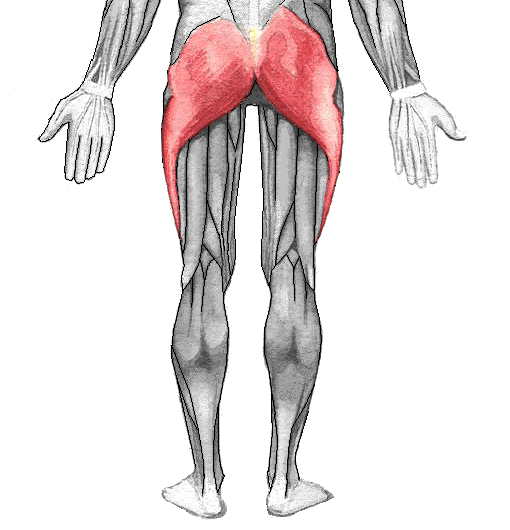
Weak glute muscles force your hip flexors and other muscles to work overtime, creating imbalances and pain. Strengthening your glutes stabilizes your hips and takes pressure off painful areas.
Bridge Exercise
Lie on your back with knees bent and feet flat on the floor, hip-width apart. Press through your heels and lift your hips toward the ceiling, squeezing your glutes at the top. Hold for three seconds, then lower slowly. Start with 10 repetitions and work up to 15. This exercise is gentle enough for daily practice.
Clamshells
Lie on your side with knees bent at 90 degrees, stacking your hips and knees. Keep your feet together and lift your top knee while keeping your hips stable. Lower slowly and repeat 12 times per side. This targets your gluteus medius, which stabilizes your hip during walking. You can add a resistance band around your thighs once the basic movement becomes easy.
Standing Hip Extensions
Stand behind a chair, holding it for balance. Keeping your leg straight, extend one leg behind you, squeezing your glute. Don’t arch your back or lean forward. Return to start and repeat 12 times per leg. This simple movement builds functional strength for walking and standing.

Balance Support Bar
A freestanding support bar gives you stability for standing exercises without needing to position yourself near furniture.
Mobility Exercises to Keep Your Hips Moving Freely
Mobility work keeps your hip joint moving through its full range of motion, reducing stiffness and improving function for daily activities.
Hip Circles
Stand on one leg (hold onto something for balance) and lift your other knee to hip height. Make small circles with your knee, rotating from the hip. Do 10 circles in each direction, then switch legs. This gentle movement lubricates the joint and improves range of motion.
Leg Swings
Stand next to a wall for support. Swing one leg forward and back like a pendulum, keeping your torso stable. Start small and gradually increase the range as you warm up. Do 15 swings, then switch to side-to-side swings for another 15. Repeat on the other leg. This dynamic movement prepares your hips for activity.
Figure-4 Stretch
Sit in a chair and place your right ankle on your left knee, creating a figure-4 shape. Keeping your back straight, lean forward gently until you feel a stretch in your right hip and glute. Hold for 30 seconds, then switch sides. This addresses the piriformis and external rotators, which often contribute to hip pain. If you also experience radiating leg pain, these movements can complement techniques for relieving sciatica-related nerve pain.
Seated Hip Marches
Sit tall in a chair with feet flat on the floor. Lift one knee as high as comfortable, hold for two seconds, then lower. Alternate legs for 20 total repetitions. This simple movement maintains hip flexor strength without the stress of weight-bearing exercise.
Side-Lying Leg Lifts
Lie on your side with your bottom leg bent for stability and top leg straight. Lift your top leg toward the ceiling, keeping your toe pointing forward (not toward the ceiling). Lower slowly and repeat 12 times per side. This strengthens your hip abductors, which are critical for balance and walking stability.
Supine Knee Rolls
Lie on your back with knees bent and feet flat. Keeping your shoulders on the ground, slowly lower both knees to one side, then return to center and lower to the other side. This gentle rotation mobilizes your hips and lower back. Do 10 rolls to each side.
Creating Your Hip Exercise Routine
Start with just five minutes daily, choosing two or three exercises from each category. Consistency matters more than intensity when you’re beginning. Do your stretches when your muscles are warm, ideally after a short walk or warm shower.
Progress gradually by adding repetitions before adding new exercises. You might start with 8 repetitions of bridges and work up to 15 over several weeks. Once that feels comfortable, add another strengthening exercise.
Pay attention to how your body responds. Some muscle soreness the next day is normal, but sharp pain during exercise or pain that lasts more than a day means you’ve pushed too hard. Back off and build up more slowly.
For arthritis pain, exercising at the same time each day helps your body adapt. Many people find morning exercise reduces stiffness throughout the day. Using a hip support brace during exercise can provide extra stability as you build strength. Women going through hormonal changes may find these movements especially beneficial when combined with appropriate adjustments for exercising during menopause.
Common Questions About Hip Exercise
How long before I notice improvement in my hip pain?
Most people notice some improvement in flexibility within two weeks of consistent stretching. Strength gains take longer, typically four to six weeks of regular exercise. Pain reduction varies depending on the cause, but many people report feeling better within three to four weeks of daily gentle exercise. Keep a simple log of your pain levels and range of motion to track progress you might not otherwise notice.
Should I exercise when my hip is hurting?
It depends on the type of pain. Dull, achy pain from arthritis or stiffness usually improves with gentle movement. Start with the easiest stretches and mobility exercises, and stop if pain increases during the activity. Sharp, stabbing pain or pain that gets worse with movement requires rest and possibly medical evaluation. When in doubt, ice the area for 15 minutes, rest for a day, and if pain persists, consult your doctor before resuming exercise.
Can I do these exercises if I have hip arthritis?
Yes, exercise is one of the most effective treatments for hip arthritis. Studies show that regular, appropriate exercise reduces arthritis pain and improves function better than medication alone. Focus on the gentler movements first, avoid high-impact activities, and work within a comfortable range of motion. Water exercise is particularly helpful for arthritis because the buoyancy reduces stress on your joints while still providing resistance. Many people with arthritis find that exercising in a warm pool or after applying heat makes movement more comfortable. For additional guidance on maintaining an active lifestyle, check out these senior fitness exercise routines or explore arthritis-friendly exercise options designed specifically for joint protection.
This article contains affiliate links. We may earn a small commission at no extra cost to you.