You’ve probably heard conflicting advice about protein as you’ve gotten older. Some sources say you need less, others insist you need more. Let’s clear up the confusion with what the research actually shows.
Older adults actually need more protein per pound of body weight than younger people, not less. This goes against the outdated advice many seniors still follow, and it might explain why maintaining muscle mass and strength has become more challenging as you’ve aged.
The New Protein Recommendations for Seniors
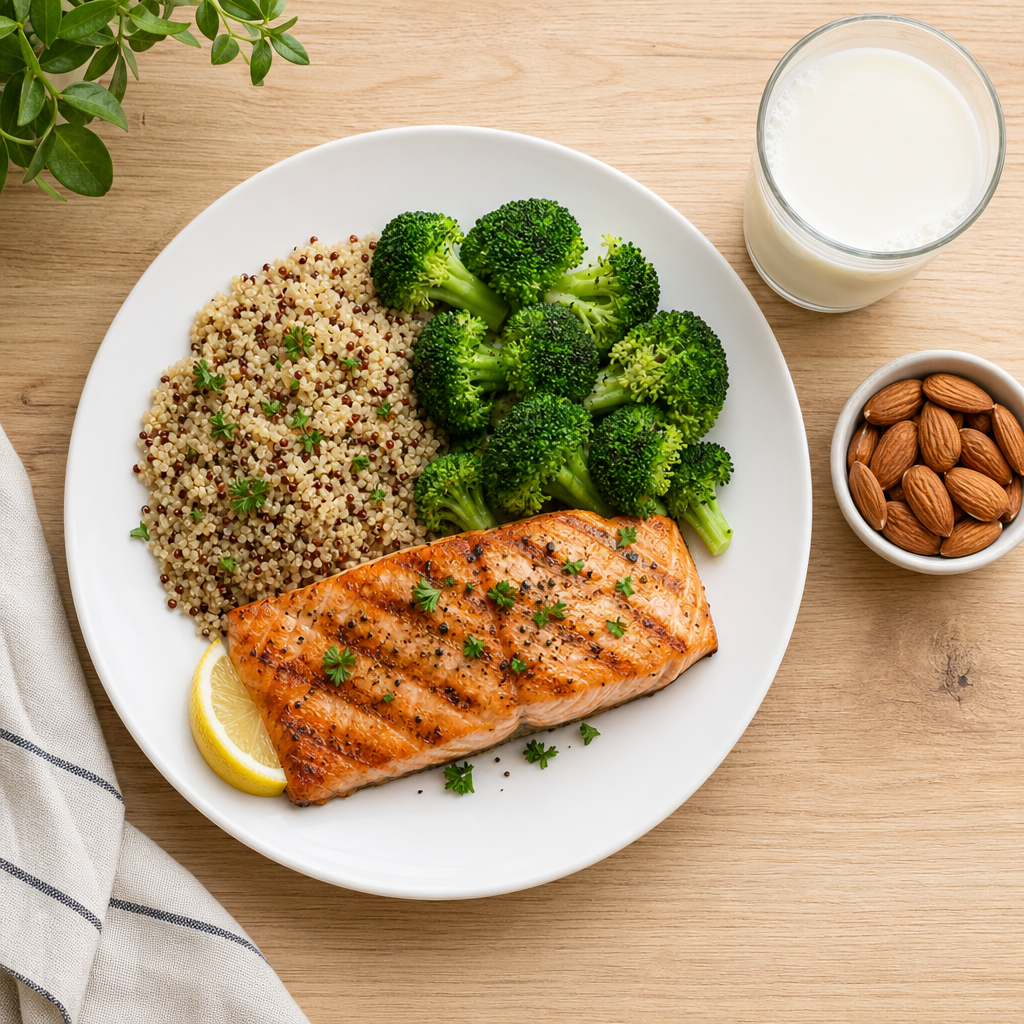
Current research points to a daily protein intake of 1.0 to 1.2 grams per kilogram of body weight for adults over 60. To put this in practical terms, a 150-pound person (68 kg) should aim for 68 to 82 grams of protein daily.
This is notably higher than the standard RDA of 0.8g per kg that was established decades ago using outdated methodology. That older recommendation might prevent deficiency, but it doesn’t support optimal muscle maintenance, immune function, or recovery from illness.
Some experts advocate for even higher intakes (up to 1.5g per kg) for seniors who are particularly active or recovering from surgery or illness. Your individual needs depend on your activity level, health status, and overall calorie intake.
Why Your Protein Needs Increase with Age
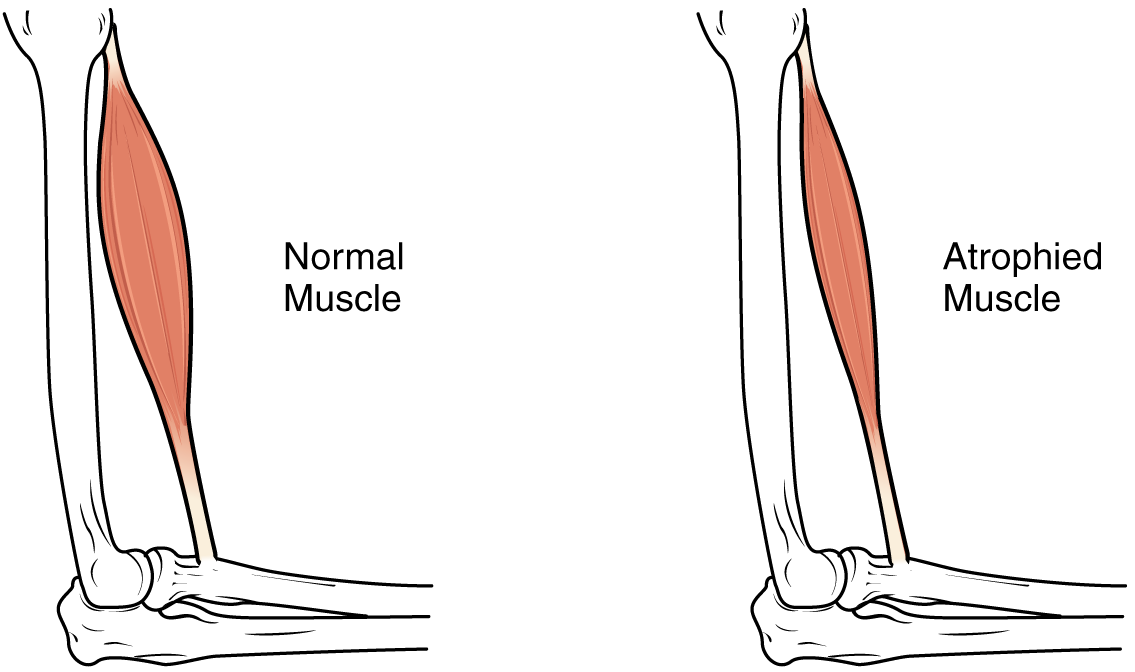
Your body becomes less efficient at using protein as you age, a phenomenon called anabolic resistance. Essentially, your muscles don’t respond as readily to the protein you eat, so you need more to achieve the same muscle-building or muscle-maintaining effect.
This happens for several reasons. Your body produces less stomach acid, which affects protein digestion. Your muscles become less sensitive to amino acids, the building blocks of protein. Inflammation increases with age, raising your protein requirements even further.
Add to this that many seniors naturally eat less overall, become less active, and face more health challenges that increase protein needs. It’s a perfect storm for muscle loss unless you actively prioritize protein intake.
The consequences of inadequate protein aren’t trivial. Low protein intake accelerates sarcopenia (age-related muscle loss), weakens your immune system, slows wound healing, and increases your risk of falls and fractures.
Best Protein Sources for Older Adults
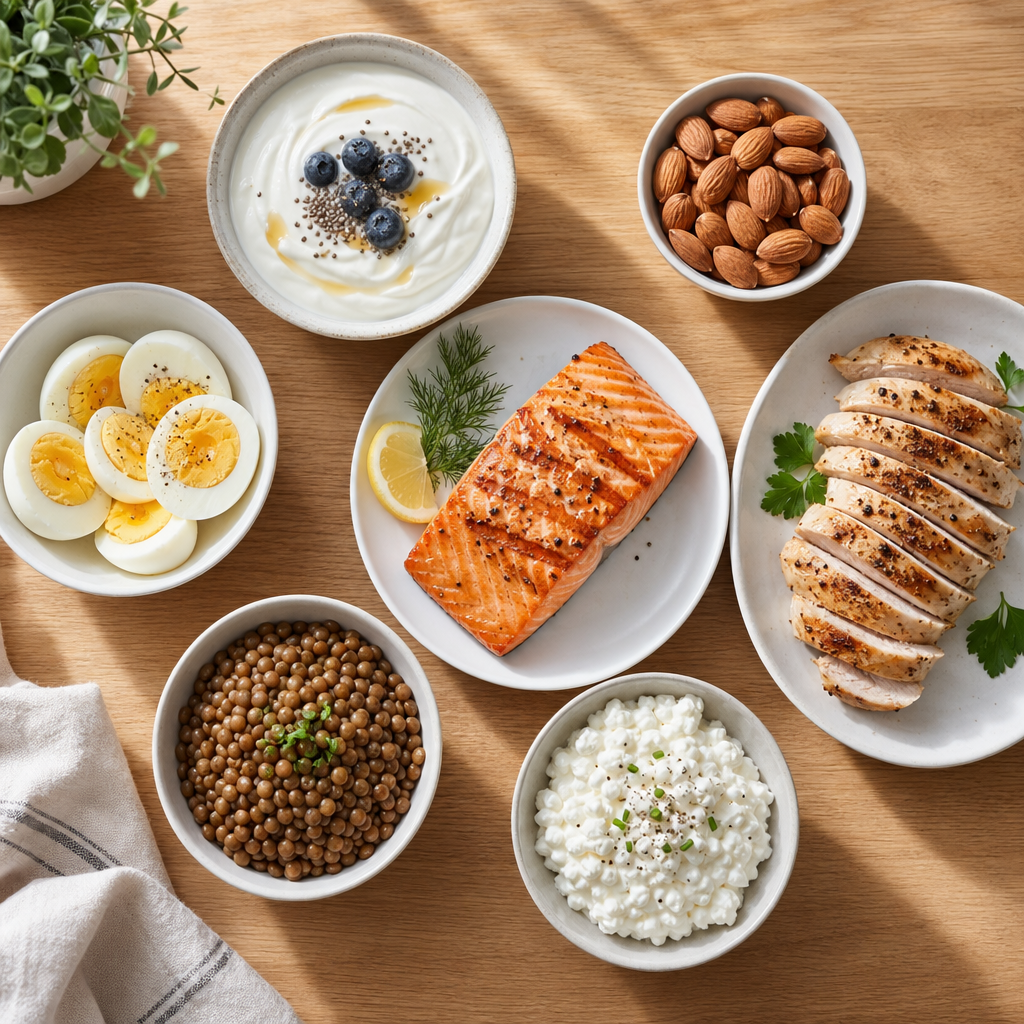
Not all protein sources are created equal, especially for seniors. You want high-quality, complete proteins that are easy to digest and absorb.
Animal-based proteins top the list: eggs, Greek yogurt, cottage cheese, chicken, fish, lean beef, and pork. These contain all essential amino acids in the right proportions and are highly bioavailable. Fish like salmon and sardines have the added benefit of omega-3 fatty acids for heart and brain health.
Dairy products deserve special mention because they’re rich in leucine, an amino acid particularly important for triggering muscle protein synthesis in older adults. Greek yogurt packs about 15-20 grams of protein per cup, making it an efficient choice.
Plant-based options include beans, lentils, quinoa, tofu, tempeh, and edamame. While these are nutritious, they’re generally less bioavailable and lower in leucine than animal sources. You’ll need larger portions to meet your protein targets if you’re vegetarian or vegan.
For those with chewing difficulties or poor appetite, softer options like scrambled eggs, tuna salad, protein-rich smoothies, and collagen powder can make meeting your needs easier.
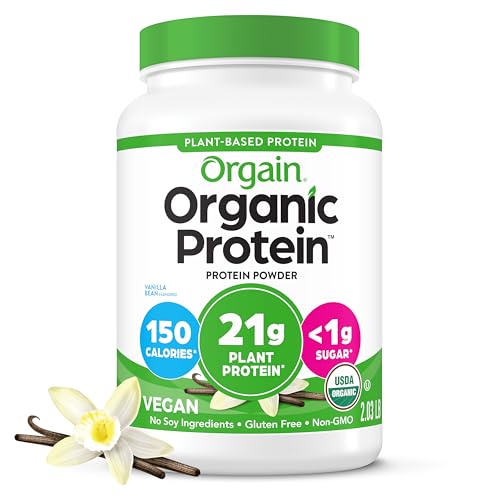
Orgain Organic Protein Powder
Clean ingredient list with 21g protein per serving and easy to digest for sensitive stomachs
Meal Planning and Protein Distribution
How you distribute protein throughout the day matters just as much as total intake. Research shows older adults benefit from eating protein in fairly even doses across three meals rather than loading up at dinner.
Aim for 25-30 grams of protein per meal. This amount appears to be optimal for stimulating muscle protein synthesis in seniors. Going much higher at a single meal doesn’t provide additional benefit, while eating less than 20 grams per meal may not trigger an adequate response.
Breakfast often falls short on protein for many seniors. Swap toast and jam for eggs with cheese, or try Greek yogurt with nuts and berries. A protein-rich breakfast also helps with appetite control and energy throughout the day.
A sample day might look like this: Greek yogurt with berries and nuts for breakfast (20g), chicken salad sandwich for lunch (30g), afternoon snack of string cheese and almonds (10g), and salmon with quinoa for dinner (35g). That totals about 95 grams across the day.
Protein timing around exercise matters too. Try to eat a protein-containing meal or snack within a couple hours after resistance training to maximize the muscle-building response.
When Supplements Make Sense
Whole food should always be your first choice, but protein supplements can help bridge the gap when appetite is poor, meal preparation is difficult, or protein needs are particularly high.
Whey protein isolate is easily absorbed and rich in leucine. It mixes well into smoothies, oatmeal, or even soup. For lactose-intolerant seniors, whey isolate typically contains minimal lactose, though whey concentrate may cause issues.
Collagen peptides have gained attention for potentially supporting joint health alongside their protein content. While not a complete protein on their own, they can supplement your intake from other sources. Mix them into coffee or tea since they’re flavorless and dissolve easily.
Plant-based protein powders like pea, rice, or hemp protein work for those avoiding animal products. Look for blends that combine multiple plant proteins to create a more complete amino acid profile.
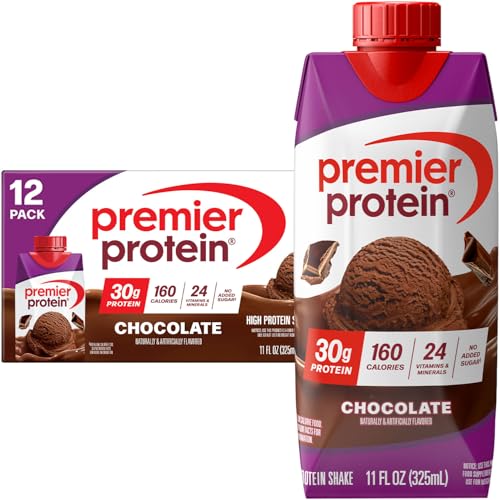
Premier Protein Shakes
Convenient ready-to-drink option with 30g protein that requires no mixing or preparation
Meal replacement drinks like Ensure Max Protein or Boost High Protein can work in a pinch, though they often contain added sugars. They’re most useful for seniors with very poor appetites who struggle to eat regular meals.
Overcoming Common Barriers
Many seniors face real challenges meeting protein needs. Reduced appetite, dental problems, fixed incomes, and cooking for one all create obstacles.
For appetite issues, try eating smaller, more frequent meals rather than three large ones. Focus on protein-dense foods so you get more nutrition in less volume. Adding herbs, spices, and flavor enhancers (not just salt) can make food more appealing when taste perception declines.
Dental problems require adjusting texture, not lowering standards. Ground meats, flaked fish, eggs, cottage cheese, and protein smoothies all deliver high-quality protein without requiring much chewing. A personal blender makes preparing protein smoothies quick and easy.
Budget constraints can be managed by choosing economical proteins like eggs, canned tuna, chicken thighs, and dried beans. Greek yogurt bought in large containers costs less per serving than individual cups. Store brands often match name brands in protein content at lower prices.
Cooking motivation drops when you’re preparing meals just for yourself. Batch cooking and freezing portions ensures you always have protein-rich options ready. Rotisserie chickens from the grocery store provide several meals worth of cooked protein with zero effort.
Frequently Asked Questions
Can you eat too much protein as a senior?
For most healthy seniors, protein intakes up to 1.5g per kg body weight are safe and potentially beneficial. Concerns about kidney damage from high protein have been debunked in people with normal kidney function. However, those with existing kidney disease should consult their doctor before significantly increasing protein intake. Stay well-hydrated and balance protein with adequate fruits, vegetables, and whole grains.
What if I’m trying to lose weight?
Protein becomes even more important during weight loss to preserve muscle mass. Aim for the higher end of the recommendation (1.2g per kg or more) while in a calorie deficit. This helps you lose fat rather than muscle, maintains your metabolic rate, and keeps you feeling fuller between meals. Don’t fall into the trap of cutting protein to reduce calories.
Do vegetarian seniors need more protein?
Plant proteins are generally less bioavailable than animal proteins, meaning your body doesn’t absorb and use them quite as efficiently. Vegetarian seniors should aim for the higher end of recommendations and focus on combining different plant proteins throughout the day. Soy products like tofu and tempeh are among the best plant options due to their complete amino acid profiles. Consider adding a plant-based protein powder to ensure adequate intake.
This article contains affiliate links. We may earn a small commission at no extra cost to you.